


What you eat before a run can make a huge difference in your performance, whether you’re going for a short jog or a full marathon. Eating the right foods at the right time ensures your body has energy, maintains stable blood sugar, and reduces the risk of discomfort on the run.
For beginners, understanding pre-run nutrition can be tricky, but focusing on the right balance of carbohydrates, protein, and fluids will help you get the most out of every run.
What your body needs before a run?
Before running, your body relies primarily on carbohydrates.
Key components:
- Carbohydrates: main energy source
- Fluids: support hydration and circulation
- Small protein (optional): supports muscle function
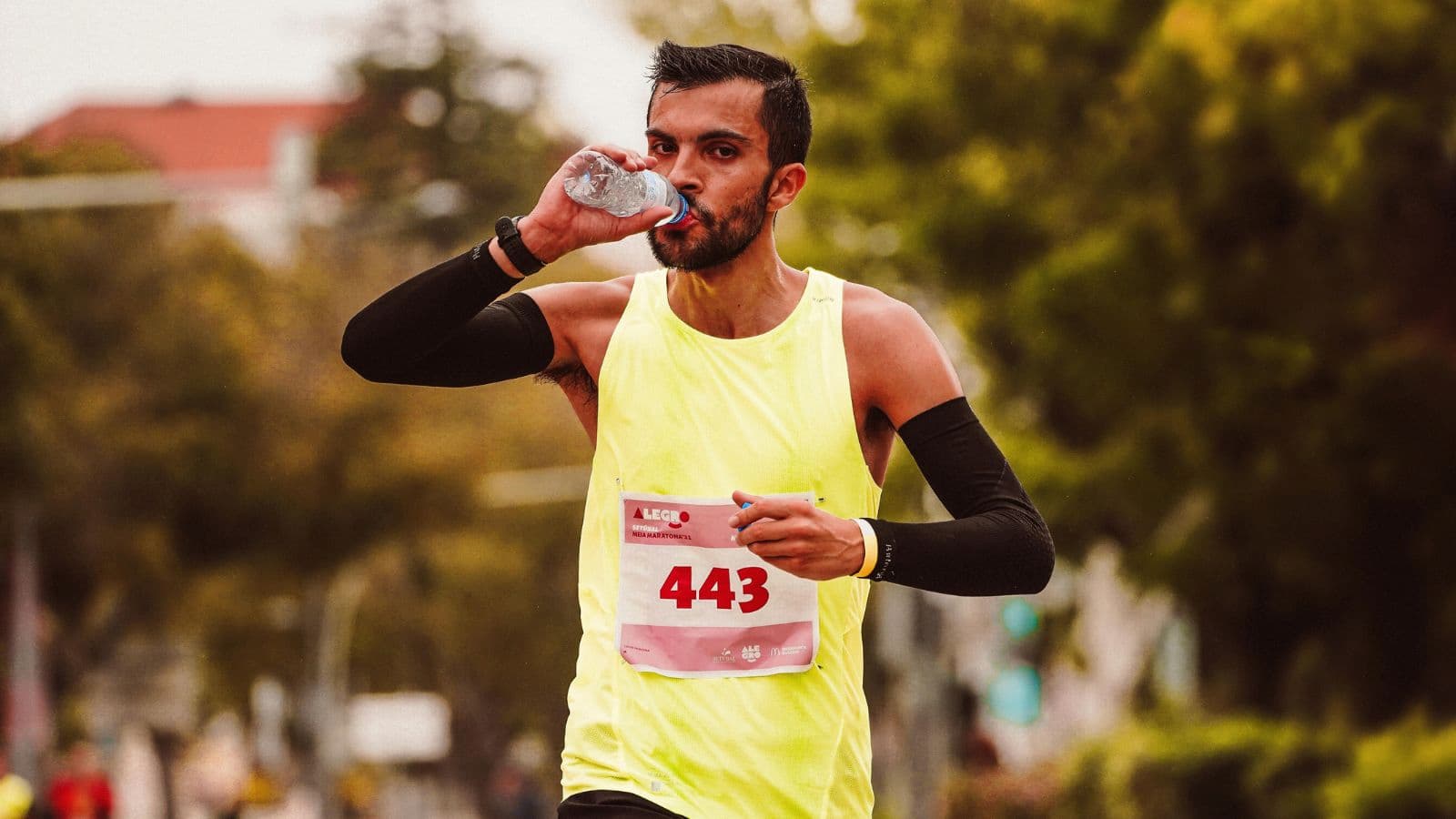
When to eat before running
Timing affects digestion and performance.
2 to 3 hours before:
- Full meal
- Balanced carbs + protein + low fat
60 to 90 minutes before:
- Light snack
- Easy-to-digest carbohydrates
30 minutes before:
- Small, quick carbs (if needed)
Avoid eating large meals too close to your run.
Timing Your Pre-Run Meal
Timing is as important as what you eat. Ideally, eat a light meal 1 to 3 hours before running, allowing your body to digest and absorb nutrients. If your run is early morning, a small snack like a banana or a slice of toast with peanut butter is sufficient.
For longer runs or races, a larger meal 2 to 3 hours prior is better, but avoid foods high in fat or fiber that could cause stomach upset. Proper timing also helps manage energy levels, especially if you are aiming for specific paces, like improving your personal best in a marathon. For reference on pacing and performance, see guidance on what is a good marathon time.
How much should you eat?
Depends on run duration and intensity.
Short runs (<60 minutes)
- Optional light snack or fasted (if comfortable)
Moderate runs (60 to 90 minutes)
- Small snack recommended
Long runs (90+ minutes)
- Full meal + pre-run snack
More intensity = more fuel needed.
The importance of Hydration before running
Hydration starts before you run.
Guidelines:
- 400 to 600ml water 2 to 3 hours before
- 200 to 300ml 30 minutes before
Avoid starting dehydrated.
What to avoid before running
High-fat foods
- Slow digestion
- Increase risk of stomach discomfort
High-fibre foods
- Can cause GI issues during running
New or unfamiliar foods
- Always test in training first
Large meals too close to running
- Leads to heaviness and discomfort
Pre-run nutrition for different runs
Easy runs
- Minimal fuelling needed
- Light snack or fasted if comfortable
Tempo or interval sessions
- Carbohydrates required
- Light, quick-digesting fuel
Long runs
- Full meal + snack
- Start well-fuelled
Race day
- Familiar foods only
- Timed and practiced nutrition
Common mistakes
Eating too late
Leads to discomfort and poor digestion.
Not eating enough
Results in low energy and reduced performance.
Not eating enough
Results in low energy and reduced performance.
Ignoring hydration
Impacts performance and increases fatigue.
Practical pre-run strategy
Example (morning run):
- 2 to 3 hours before: oats + banana
- 30 minutes before: small snack or gel
Example (afternoon run):
- Normal lunch
- Light snack 60 minutes before
Keep it simple and repeatable.
Signs your pre-run nutrition is working
- Stable energy levels
- No stomach discomfort
- Consistent pacing
- Good overall performance
What actually improves performance
Pre-run nutrition supports:
- Energy availability
- Pacing control
- Reduced fatigue
- Better training quality
It’s a simple factor with a high impact.
Quick checklist
Before your run:
- Eat according to timing
- Prioritise carbohydrates
- Avoid heavy or new foods
- Hydrate properly
- Keep it consistent
FAQ
1 to 3 hours before running is ideal, depending on the size of the meal. Small snacks can be eaten 30 to 60 minutes prior.
Carbohydrates like oats, bananas, and toast provide quick, digestible energy for most runs.
Yes, these can cause cramping or digestive discomfort if eaten too close to running.
Yes, small amounts like yogurt, eggs, or nut butter help sustain energy without causing stomach issues.
For runs under an hour, water is usually sufficient. Longer or hotter runs may require electrolytes to maintain hydration.