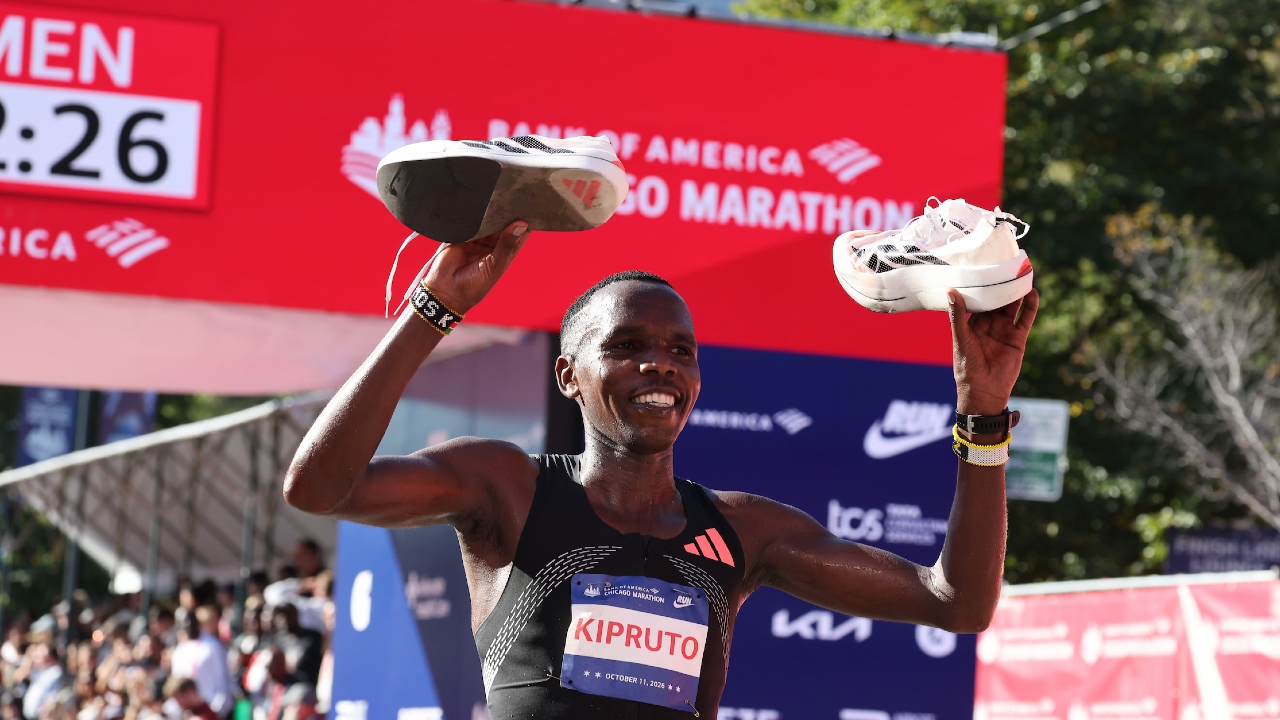



Recovery nutrition is the process of replenishing energy, repairing muscle damage, and restoring balance after a run. For runners, what you eat after training directly affects how well you recover, adapt, and perform in the next session. Without proper recovery nutrition, fatigue accumulates and progress slows.

What Recovery Nutrition Actually Does?
After running, the body is in a depleted state. Glycogen stores are reduced, muscle fibres are damaged, and fluid levels may be low. Recovery nutrition restores glycogen, supports muscle repair, and rehydrates the body. This allows the body to adapt to training stress and become stronger over time.
Without it, recovery is incomplete and performance declines.
Why Recovery Nutrition Matters for Runners?
- Running places repeated stress on muscles and energy systems.
- Recovery nutrition ensures that this stress leads to adaptation rather than breakdown.
- It improves recovery speed, reduces soreness, and supports consistent training.
- For runners training multiple times per week, recovery nutrition is essential to maintain performance.
Replenishing Glycogen Stores
- Carbohydrates are the primary fuel used during running.
- After a run, glycogen stores need to be replenished to restore energy levels.
- Consuming carbohydrates soon after training helps speed up this process.
- This is especially important after longer or higher-intensity runs.
- Proper glycogen replenishment ensures readiness for the next session.
Supporting Muscle Repair
- Protein plays a key role in repairing muscle damage caused by running.
- Including protein in recovery nutrition supports muscle rebuilding and adaptation.
- This helps reduce soreness and improves long-term performance.
- The combination of carbohydrates and protein is more effective than either alone.
Timing of Recovery Nutrition
- Timing matters. The body is most responsive to nutrients shortly after exercise.
- Consuming a balanced meal or snack within a short window after running improves recovery.
- Delaying intake slows glycogen replenishment and muscle repair.
- Consistent timing leads to better recovery outcomes.
Hydration and Electrolytes
- Fluid loss during running must be replaced to support recovery.
- Rehydration helps restore blood volume and maintain normal body function.
- Electrolytes, particularly sodium, help retain fluids and maintain balance.
- Hydration is as important as food in recovery.
Recovery Nutrition by Run Type
- Recovery needs vary depending on the type of run.
- Easy runs require less aggressive recovery nutrition but still benefit from balanced intake.
- Long runs and interval sessions require more carbohydrates and protein to support recovery.
- Higher intensity increases the need for structured recovery.
Understanding how training stress varies is important, especially when applying how to structure interval training for runners, to align nutrition with effort.
Managing Fatigue Through Nutrition
- Recovery nutrition helps control fatigue by restoring energy and supporting repair.
- Without proper intake, fatigue accumulates and performance drops.
- Consistent recovery nutrition allows you to train more effectively over time.
- It also reduces the risk of overtraining.
Recovery Nutrition and Injury Prevention
- Poor recovery increases injury risk.
- Muscles that are not properly repaired become weaker and more prone to strain.
- Adequate nutrition supports tissue repair and reduces stress on joints.
- This is especially important for runners managing training load and consistency.
Practical Food Choices
Recovery nutrition does not need to be complex. Simple, balanced meals are effective.
Examples include:
- Carbohydrate-rich foods like rice, pasta, or fruit
- Protein sources such as eggs, dairy, or lean meat
- Fluids with electrolytes to support hydration
The focus should be on consistency rather than complexity.
Common Mistakes
- Skipping post-run nutrition delays recovery.
- Consuming only protein without carbohydrates limits glycogen replenishment.
- Ignoring hydration reduces recovery effectiveness.
- Delaying intake slows adaptation.
- Inconsistent habits prevent long-term progress.
Practical Checklist
- Consume carbohydrates after running
- Include protein for muscle repair
- Rehydrate with fluids and electrolytes
- Eat within a consistent time frame after runs
- Adjust intake based on training intensity
What You Should Do?
- Start by making recovery nutrition a consistent part of your routine.
- Focus on simple meals that combine carbohydrates, protein, and fluids.
- Adjust intake based on how hard and how long you train.
- Monitor how your body responds and refine your approach over time.
- Recovery is where progress happens, and nutrition is a key part of that process.
FAQs
A mix of carbohydrates and protein to restore energy and repair muscles. This helps speed up recovery and prepares you for the next session.
Ideally within a short period after finishing your run.
Yes, especially after longer or harder sessions. Protein supports muscle recovery and adaptation.
Yes, fluids and electrolytes are essential for recovery. They help restore balance and prevent fatigue.
It is not recommended, as consistent recovery supports long-term progress.
Not always, whole foods can provide what you need. Supplements are optional based on convenience.
It depends on the intensity and duration of your run.
Yes, it directly impacts how well you recover and train. Better recovery leads to better performance.
Skipping or delaying intake after running. Consistency is key for effective recovery.