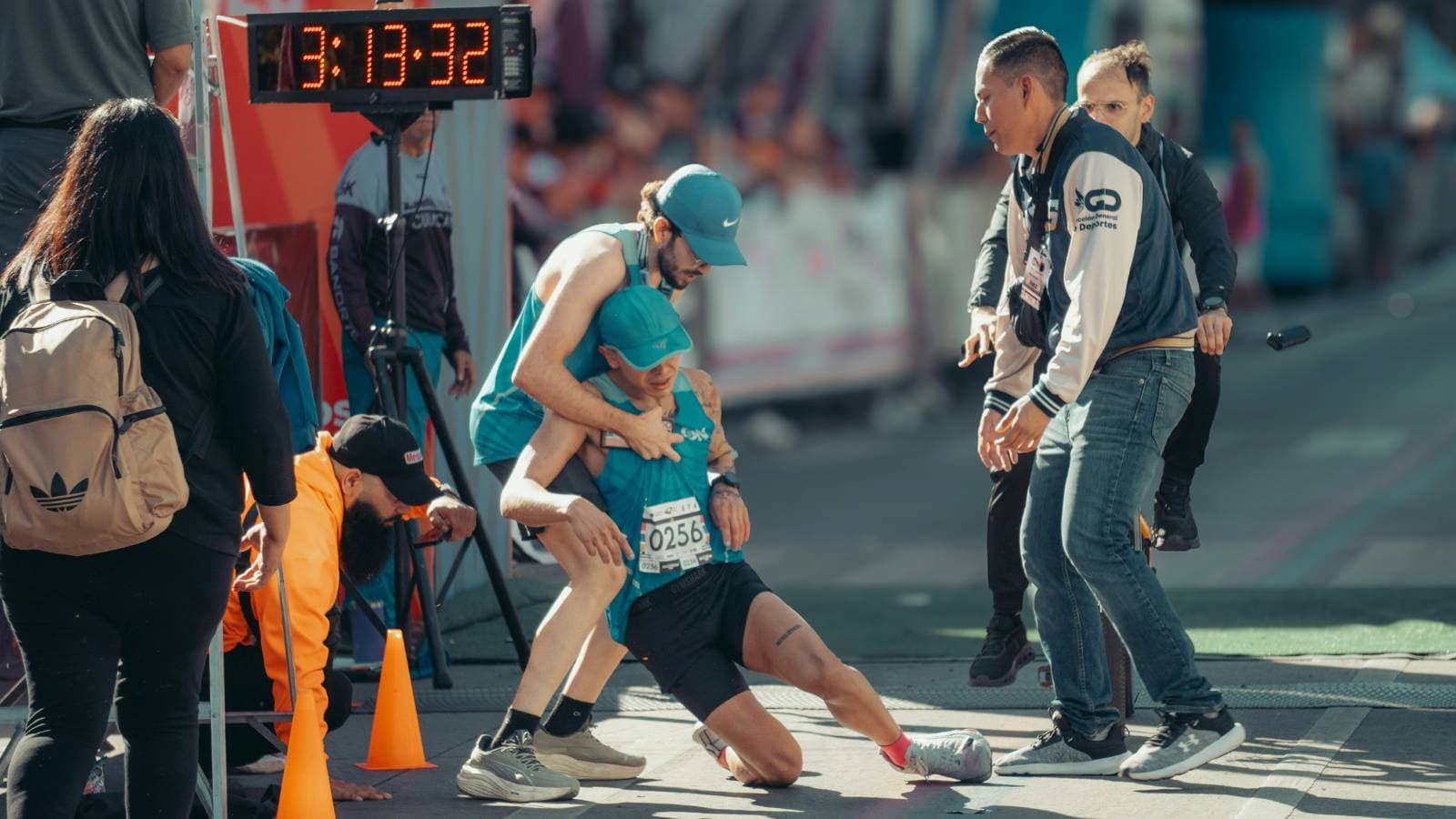



Running cadence is the number of steps you take per minute. Increasing cadence reduces the load placed on your joints, particularly the knees, by shortening stride length and improving running mechanics. For runners, this is one of the most effective adjustments to reduce injury risk without changing overall pace.
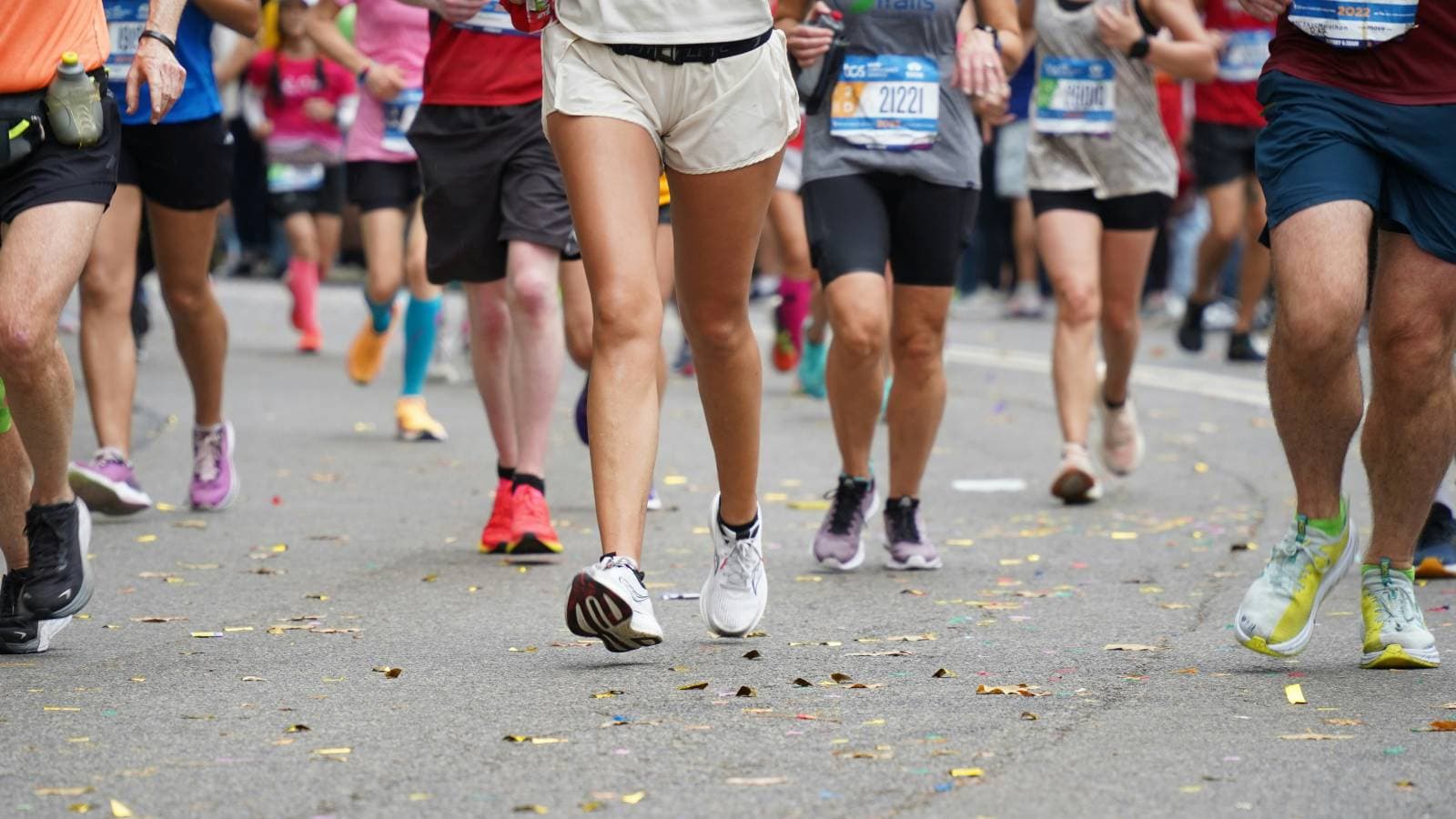
What Running Cadence Actually Means?
Cadence is measured in steps per minute and reflects how quickly your feet hit the ground. Most recreational runners fall between one sixty and one seventy steps per minute, while more efficient runners often operate closer to one seventy to one eighty.
Cadence is not about running faster, it’s about how you distribute movement. A higher cadence typically results in shorter, quicker steps.
Why Knee Injuries Happen in Running?
Knee injuries often result from excessive impact forces and poor mechanics. Over-striding, where your foot lands too far in front of your body, increases braking forces and joint stress. This places more load on the knee joint with each step, especially during longer runs or higher mileage phases.
Reducing this impact is key to injury prevention.
How Increasing Cadence Reduces Knee Load?
- Increasing cadence shortens stride length.
- This means your foot lands closer to your centre of mass rather than ahead of it.
- This reduces braking forces and lowers the impact transmitted through the knee joint.
- Less time spent on each stride also reduces joint loading duration.
- The result is smoother, more efficient movement with less stress on the knees.
Impact on Running Mechanics
- Higher cadence improves overall running form.
- It encourages a more upright posture and reduces vertical oscillation.
- Ground contact time decreases, meaning less force is absorbed per step.
- This leads to better energy return and reduced cumulative stress over time.
For runners working on overall efficiency and performance, this also supports structured training adaptations, especially when combined with how to structure interval training for runners to reinforce proper mechanics at different intensities.
Cadence and Overstriding
- Over-striding is one of the biggest contributors to knee pain.
- A low cadence often leads to longer strides, which increases the likelihood of landing with the foot too far forward.
- By increasing cadence slightly, stride length naturally shortens, correcting this issue without forcing unnatural movement.
- This adjustment alone can significantly reduce injury risk.
How Much Should You Increase Cadence?
Changes should be gradual. A five to ten percent increase from your natural cadence is typically effective. For example, if you run at one sixty steps per minute, increasing to around one seventy can improve mechanics without causing excessive fatigue.
Forcing a large increase too quickly can lead to discomfort or other issues.
When Cadence Matters Most?
- Cadence becomes especially important during longer runs and higher training volumes.
- Fatigue often leads to reduced cadence and increased over-striding, which raises injury risk.
- Maintaining consistent cadence helps preserve form even when tired.
- It is also relevant during speed sessions, where efficient mechanics are critical for performance and injury prevention.
How to Improve Your Cadence?
- Cadence can be trained through simple adjustments.
- Use a metronome or music with a specific beat to guide your step rate.
- Focus on quick, light steps rather than pushing harder.
- Short strides and faster turnover should feel controlled, not forced.
- Practice during easy runs before applying changes to harder sessions.

Cadence and Other Injury Factors
Cadence is only one part of injury prevention. Footwear, training load, recovery, and running surface also play important roles. For example, poor footwear or friction issues can still cause problems even with good cadence, which is why managing factors like how to prevent blisters while running becomes part of overall injury prevention.
Common Mistakes
- Increasing cadence too quickly can lead to calf or Achilles strain.
- Focusing only on cadence without addressing overall form limits improvement.
- Forcing unnatural movement patterns reduces efficiency.
- Ignoring fatigue-related changes in cadence increases injury risk.
- Not practicing consistently prevents adaptation.
Practical Checklist
- Measure your current cadence
- Increase gradually by five to ten percent
- Focus on shorter, quicker steps
- Maintain relaxed, controlled movement
- Practice during easy runs first
- Monitor how your body responds
What You Should Do
- Start by identifying your natural cadence during easy runs.
- Make small adjustments over time rather than immediate changes.
- Use cues like “quick feet” or “light steps” to improve turnover naturally.
- Apply changes consistently in training before expecting benefits in performance or injury reduction.
- Keep your approach simple.
- Small improvements in cadence can lead to significant long-term benefits in both performance and injury prevention.
FAQ
It is the number of steps you take per minute while running.
Most efficient runners fall between one seventy and one eighty steps per minute.
Yes, it reduces impact forces and improves running mechanics.
Yes, it improves efficiency and reduces energy waste.
Using a running watch, app, or manual counting.
Yes, but focus on gradual adjustments.
Yes, but it is especially important during long runs and speed work.