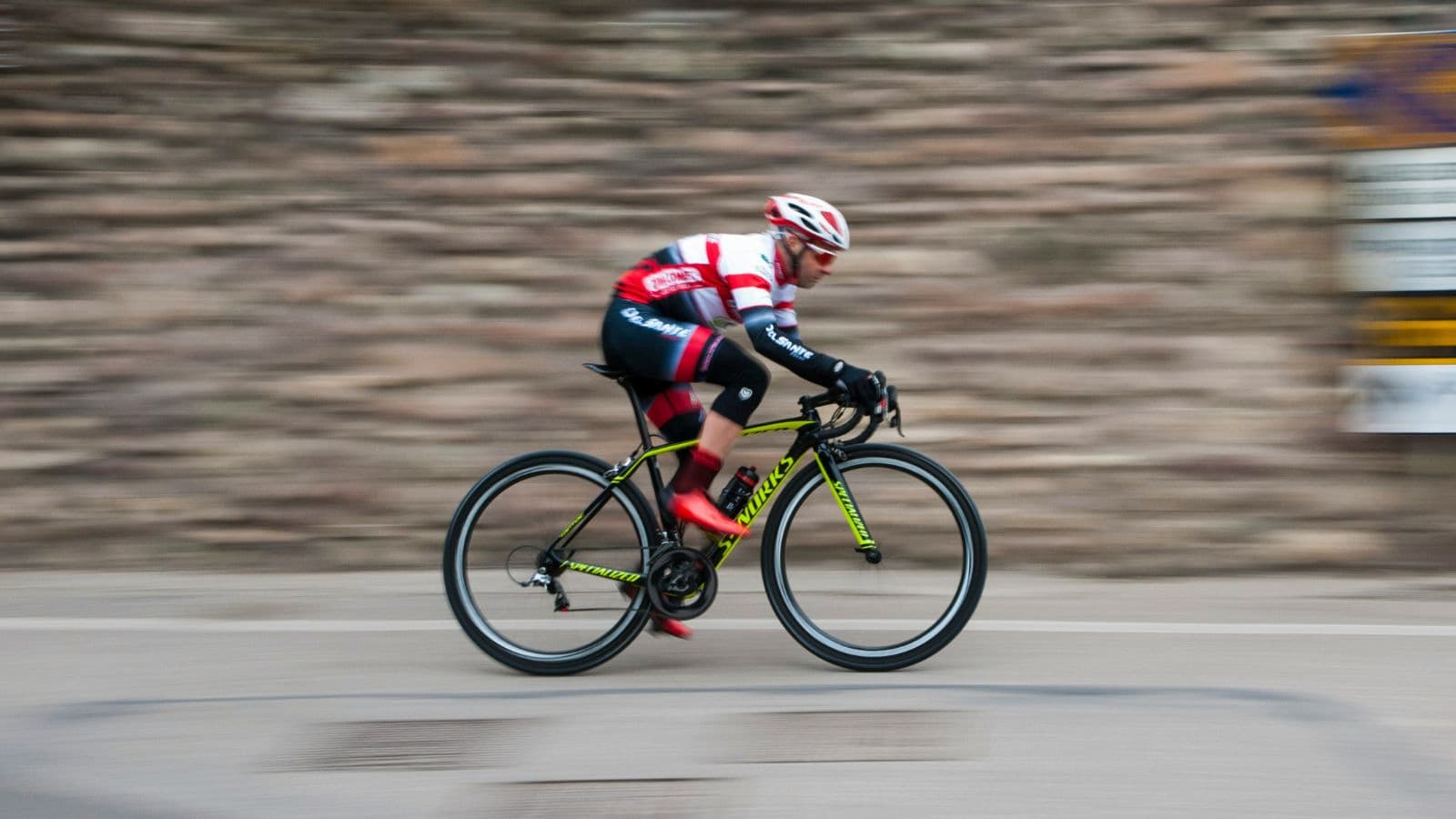



Trail running requires endurance, climbing strength, technical skill and resilience. While running should remain the foundation of your training, cycling can be an effective way to improve fitness without adding more impact to your joints and muscles. Used strategically, cycling develops aerobic capacity, leg endurance and recovery while allowing trail runners to train more consistently. It won’t replace trail-specific running, but it can complement it and help you become a stronger athlete. The key is knowing when cycling adds value and when running should remain the priority.
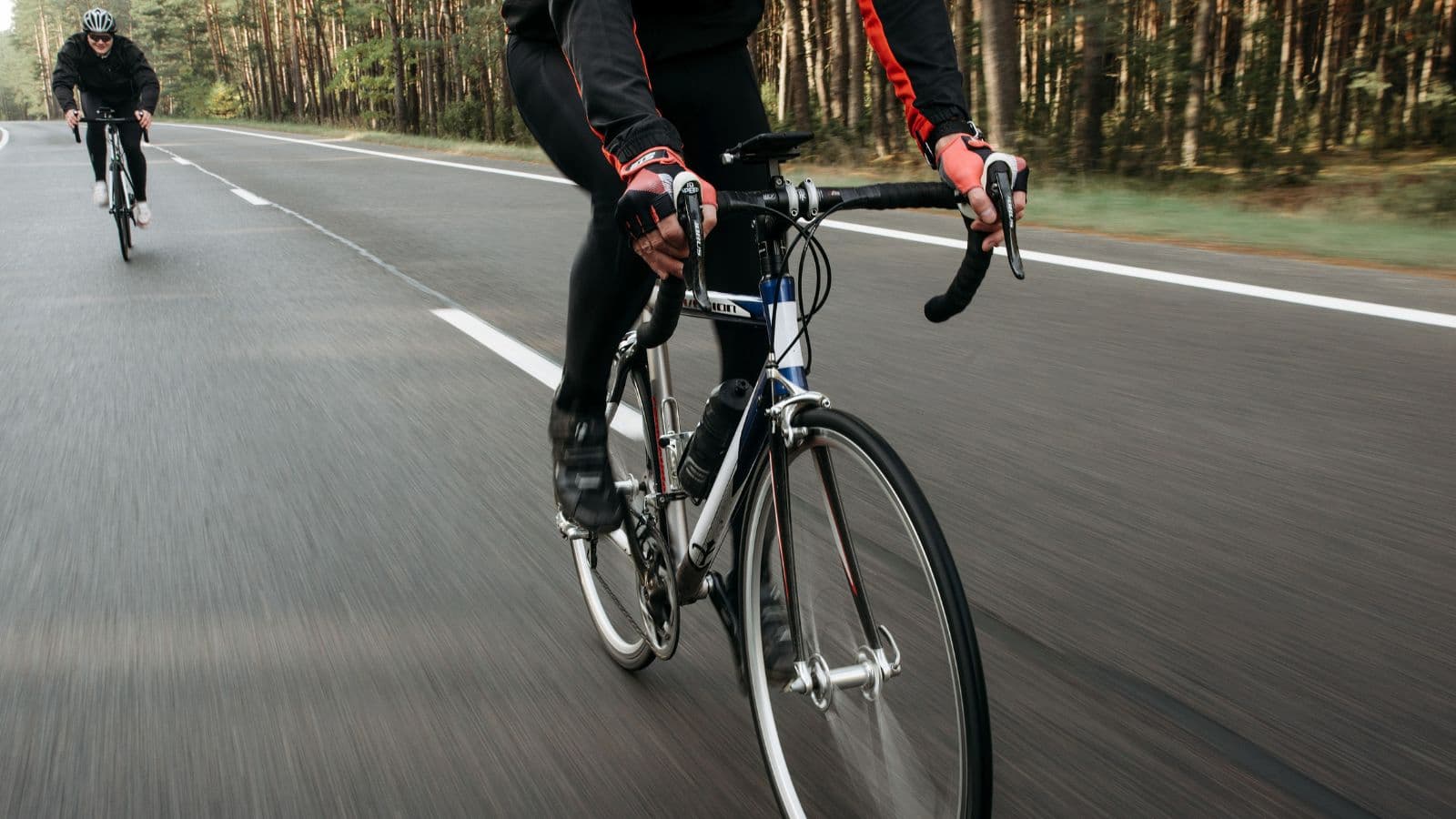
Cycling Builds Aerobic Fitness
Both cycling and running challenge your cardiovascular system.
Long, steady rides help improve:
- Aerobic endurance.
- Heart and lung efficiency.
- Fat metabolism.
- Training volume.
- Recovery capacity.
These adaptations transfer well to trail running, particularly during longer races where aerobic fitness is critical. Many runners also develop this foundation through including road running in training, combining low-intensity training across different activities.
It Reduces Impact While Maintaining Fitness
Trail running places repeated impact forces through your:
- Knees.
- Ankles.
- Hips.
- Feet.
Cycling provides an opportunity to continue training while reducing those repetitive loads.
This makes it especially useful during:
- Recovery weeks.
- Minor niggles.
- High-volume training blocks.
- Return-to-running programmes.
Cycling Strengthens the Legs
Although movement patterns differ, cycling develops muscular endurance in several key muscle groups.
These include:
- Quadriceps.
- Glutes.
- Calves.
- Hamstrings.
Stronger, more fatigue-resistant legs can help maintain running form during long climbs and late-race fatigue. Many trail runners combine this with how many workouts do runners need each week, balancing cycling with key running sessions.
Helps Recovery Between Hard Runs
Easy cycling increases blood flow without creating the same impact as running.
Recovery rides can:
- Reduce stiffness.
- Promote circulation.
- Maintain aerobic fitness.
- Encourage gentle movement.
Replacing an easy recovery run with a relaxed bike ride may help some runners recover more comfortably. Many athletes also support this process through how to recover faster after a trail run, combining active recovery with proper nutrition and sleep.
Improves Climbing Endurance
Long climbs demand sustained muscular endurance.
Cycling develops the ability to:
- Produce steady power.
- Maintain cadence.
- Work aerobically for extended periods.
- Manage prolonged efforts.
These qualities can transfer well to long uphill sections during trail races. Trail runners often combine cycling with how can runners improve downhill running technique, allowing fitness and running mechanics to improve together.
Provides Extra Training Without Excessive Mileage
Increasing running mileage too quickly raises injury risk.
Cycling allows you to:
- Increase weekly training time.
- Improve endurance.
- Reduce impact loading.
- Maintain consistency.
For runners who struggle to tolerate high mileage, cycling can be an effective way to add aerobic work.
Supports Injury Rehabilitation
Cycling is frequently used during rehabilitation because it allows many athletes to maintain cardiovascular fitness while gradually returning to running.
Depending on the injury and medical advice, cycling may be useful during recovery from:
- Mild tendon problems.
- Bone stress recovery progression.
- Soft tissue injuries.
- Temporary reductions in running volume.
Always follow guidance from a qualified healthcare professional before returning to training.
Improves Mental Variety
Training exclusively by running can become repetitive.
Adding cycling provides:
- New scenery.
- Different challenges.
- Reduced mental fatigue.
- Fresh motivation.
This variety often makes it easier to stay consistent over long training blocks. Many runners maintain this balance through how to stay consistent with trail running without overtraining, avoiding both physical and mental burnout.
Cycling Won’t Replace Trail Skills
Despite its benefits, cycling cannot fully prepare you for:
- Technical descents.
- Foot placement.
- Trail balance.
- Running economy.
- Downhill impact.
- Terrain-specific coordination.

These skills must still be developed by running on trails. Many athletes continue improving technical ability through what should you know before your first trail run, something cycling alone cannot replicate.
Include Cycling on Easy Days
Cycling works best when it complements your running.
Good opportunities include:
- Recovery days.
- Cross-training sessions.
- Base training.
- Active recovery weeks.
Avoid replacing important long runs or key hill workouts unless injury or fatigue makes it necessary.
Keep Cycling Easy Most of the Time
For trail runners, cycling should usually support, not compete with, running.
Most rides should be:
- Comfortable.
- Aerobic.
- Low stress.
- Recovery focused.
High-intensity cycling sessions may interfere with key running workouts if scheduled too closely together.
Watch for Fatigue
Cycling is low impact, but it still creates training stress.
Watch for:
- Heavy legs.
- Persistent fatigue.
- Reduced running quality.
- Poor sleep.
- Elevated resting heart rate.
If cycling begins affecting important running sessions, reduce its volume or intensity.
Common Mistakes
Avoid these common errors:
- Replacing every run with cycling.
- Riding too hard on recovery days.
- Ignoring trail-specific skills.
- Increasing total training load too quickly.
- Neglecting strength training.
- Skipping hill running.
- Forgetting recovery.
- Assuming cycling alone prepares you for trail races.
Cycling should support your running, not replace it.
Practical Tips
Get the most from cycling by:
- Using it as cross-training.
- Prioritising key running sessions.
- Scheduling easy recovery rides.
- Building aerobic fitness gradually.
- Monitoring fatigue.
- Maintaining strength training.
- Continuing regular trail running.
Many runners also benefit from how to improve your running form, ensuring the additional fitness gained through cycling translates into more efficient movement on the trails. Finally, combining cycling with scheduling rest days between two trail races creates a well-rounded program that develops both endurance and trail-specific strength.
The Bottom Line
Cycling can make you a stronger trail runner by improving aerobic fitness, building muscular endurance and allowing you to train more while reducing impact on your body. It is particularly valuable during recovery periods, base training and when increasing running mileage isn’t practical. However, cycling works best as a complement to trail running rather than a replacement. Continue practicing trail-specific skills, climbing and descending while using cycling to build the endurance and resilience needed for stronger performances on race day.
FAQs
Yes. Cycling develops aerobic fitness and muscular endurance that can support trail running performance.
Easy cycling provides low-impact movement that many runners find useful between harder running sessions.
It can improve leg endurance and aerobic capacity, but running hills is still necessary to develop trail-specific technique.
No. Long runs remain essential for preparing your muscles, tendons and movement patterns for trail races.
In many cases, yes, but only if approved by your healthcare professional and appropriate for your injury.
One or two rides each week can complement a trail running program without replacing key running sessions.
By reducing impact while maintaining fitness, cycling may help manage training load when used appropriately.
Most cross-training rides should be easy to moderate so they don’t interfere with running performance.
Yes. It develops muscular endurance in the quadriceps, glutes, hamstrings and calves.