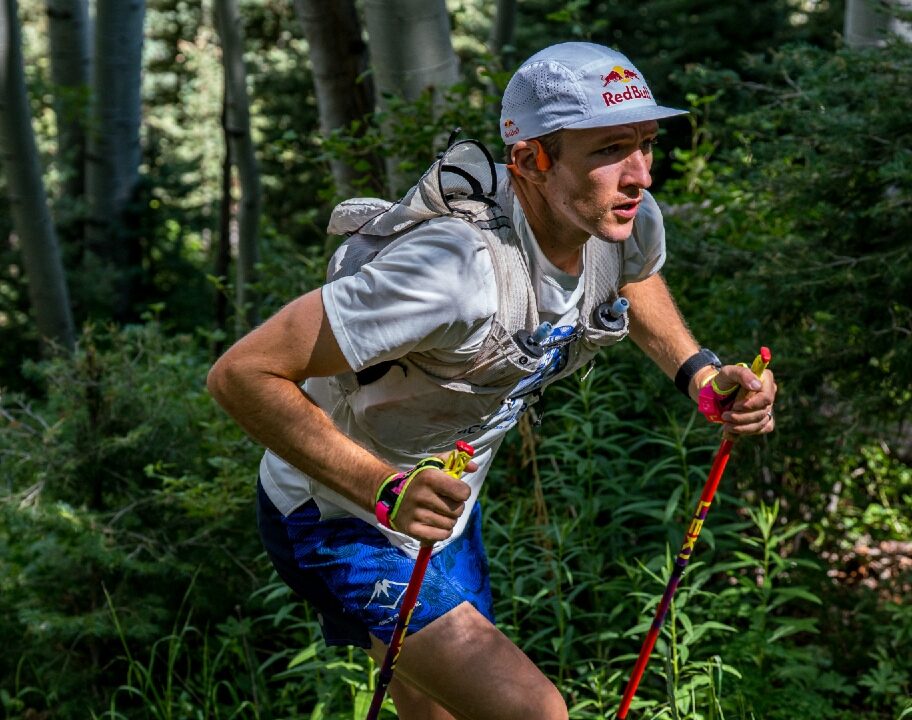



Trail running demands more from your muscles than road running. Constant climbing, descending, uneven terrain and rapid changes in direction require good mobility and efficient movement. When muscles become excessively tight, they can restrict your stride, reduce running efficiency and make technical trails feel far more difficult than they should. Some muscle stiffness after training is normal, but persistent tightness that affects movement or performance deserves attention. The goal isn’t to become as flexible as possible, it’s to maintain enough mobility for efficient and comfortable trail running.
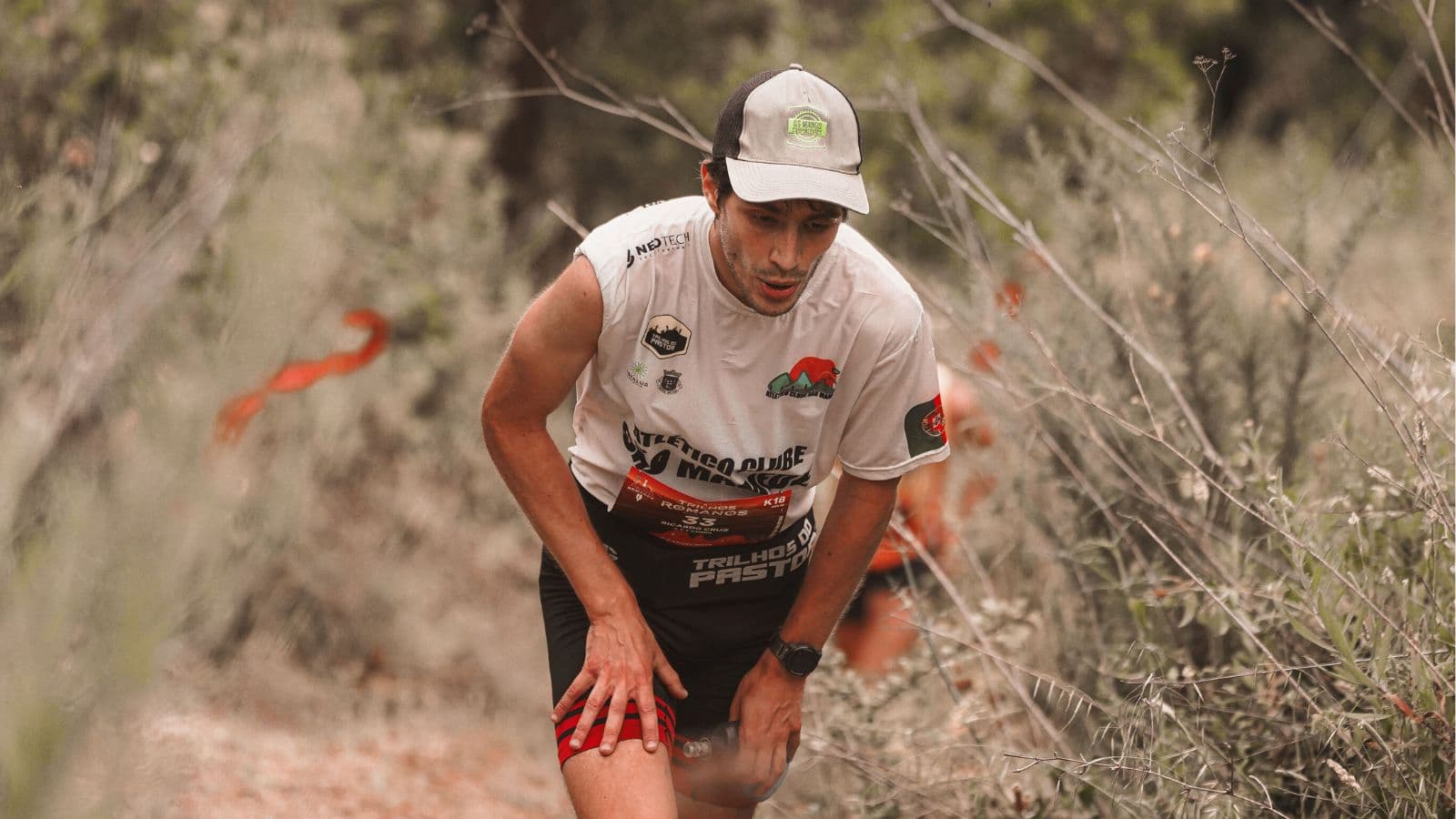
What Is Muscle Tightness?
Muscle tightness describes the sensation of reduced movement or stiffness within a muscle or muscle group.
It may develop because of:
- Hard training.
- Repeated downhill running.
- Long climbs.
- Limited recovery.
- Poor mobility.
- Previous injury.
- Spending long periods sitting.
Persistent tightness often changes the way you move, forcing other muscles to compensate.
How Tight Muscles Affect Trail Running?
Trail running requires your body to adapt continuously to changing terrain.
Excessive muscle tightness may lead to:
- Shorter stride length.
- Reduced climbing efficiency.
- Less stable descents.
- Poor balance.
- Earlier fatigue.
- Reduced running economy.
These changes may seem small individually but become more noticeable during longer runs. Many runners improve efficiency by following how to improve your running form, allowing better movement across different terrains.
The Calves Often Become Overloaded
The calf muscles absorb significant forces during trail running.
They work harder when:
- Climbing steep hills.
- Descending technical trails.
- Running on uneven ground.
- Accelerating uphill.
Tight calves may reduce ankle mobility and make climbing feel harder than necessary.
Tight Hip Flexors Can Shorten Your Stride
Hours of sitting combined with running can contribute to tight hip flexors.
This may lead to:
- Reduced hip extension.
- Smaller stride length.
- Poor climbing posture.
- Lower running efficiency.
Improving hip mobility often makes uphill running feel smoother. Many trail runners combine mobility work with how can runners improve downhill running technique, creating a more efficient climbing stride.
Tight Hamstrings Affect Stability
The hamstrings help control both climbing and downhill running.
Excessive tightness may contribute to:
- Reduced stride efficiency.
- Difficulty descending.
- Increased fatigue.
- Altered running mechanics.
Rather than stretching aggressively, focus on gradual improvements in strength and mobility.
Downhill Running Creates More Muscle Damage
Descending places greater eccentric load on your muscles than running uphill.
This commonly affects:
- Quadriceps.
- Calves.
- Glutes.
- Hamstrings.
Repeated downhill sessions without sufficient recovery often leave runners feeling unusually tight for several days. Many athletes improve their descending ability through knowing the best foot strike for runners, reducing unnecessary muscular stress.
Warm Up Before Technical Trails
Cold muscles are less prepared for demanding terrain.
Before heading onto the trails:
- Jog easily.
- Perform dynamic leg swings.
- Walk uphill briefly.
- Complete short strides.
- Mobilise your ankles and hips.
A proper warm-up prepares your muscles for uneven terrain.
Strength Can Reduce Tightness
Weak muscles often become overworked.
Strength training helps improve load tolerance in:
- Glutes.
- Calves.
- Hamstrings.
- Quadriceps.
- Core.
Stronger muscles generally cope better with long climbs and technical descents. Many runners include these sessions alongside how many workouts do runners need each week, creating a balanced training program.
Recovery Is Just as Important
Muscles don’t adapt during the workout, they adapt afterwards.
Prioritise:
- Sleep.
- Hydration.
- Recovery nutrition.
- Easy recovery runs.
- Rest days.
Many athletes accelerate recovery through how to recover faster after a trail run, reducing persistent stiffness between training sessions.
Don’t Ignore Your Running Shoes
Shoes won’t eliminate muscle tightness, but worn footwear can increase muscular workload.
Replace shoes when:
- Cushioning has deteriorated.
- Grip is reduced.
- Midsole feels flat.
- The upper no longer supports your foot properly.
Appropriate footwear helps your muscles work more efficiently over rough terrain.
Mobility Should Be Consistent
Occasional stretching rarely solves persistent tightness.
Instead, include regular mobility exercises for:
- Ankles.
- Hips.
- Thoracic spine.
- Calves.
- Hamstrings.
Even five to ten minutes several times each week is often more beneficial than occasional long stretching sessions.
Know When Tightness Is More Than Tightness
Persistent symptoms deserve attention if they include:
- Sharp pain.
- Swelling.
- Weakness.
- Altered running gait.
- Progressive worsening.
These may indicate an injury rather than simple muscle tightness and should be assessed appropriately.
Common Mistakes
Avoid these common habits:
- Ignoring persistent tightness.
- Skipping warm-ups.
- Increasing mileage too quickly.
- Running every session hard.
- Neglecting strength training.
- Wearing worn-out shoes.
- Avoiding recovery days.
- Stretching aggressively through pain.
Small adjustments often prevent bigger problems later.
Practical Tips
Keep your muscles moving well by:
- Warming up before every trail run.
- Building strength year-round.
- Recovering properly after hard sessions.
- Improving ankle and hip mobility.
- Progressing training gradually.
- Replacing worn shoes.
- Listening to early warning signs.
Many runners also improve movement quality through how to stay consistent with trail running without overtraining, ensuring recovery keeps pace with training volume. Finally, incorporating everything you should do in the last 5 days before trail run into your weekly schedule allows tired muscles to recover while continuing to build aerobic fitness.
The Bottom Line
Muscle tightness doesn’t always mean you’re injured, but it can reduce trail running performance by limiting mobility, altering running mechanics and increasing fatigue on challenging terrain. Regular strength training, consistent mobility work, sensible recovery and gradual progression are usually far more effective than relying on occasional stretching alone. By addressing tightness early, you’ll move more efficiently, recover more quickly and enjoy greater confidence on every trail.
FAQs
Yes. Mild tightness is common after demanding runs, particularly those involving long climbs or steep descents.
Yes. Tight muscles can limit mobility, shorten stride length and increase fatigue on technical terrain.
The calves, quadriceps, hamstrings, hip flexors and glutes are commonly affected.
A dynamic warm-up is generally more effective than prolonged static stretching before running.
Yes. Downhill running creates greater eccentric muscle loading, which often leads to more soreness and stiffness.
Yes. Stronger muscles tolerate training loads better and are often less prone to excessive fatigue-related tightness.
Short mobility sessions two to four times per week are usually sufficient for most runners.
Yes. Reduced cushioning and support can increase the workload on your muscles over long distances.