
Recovery is where your body adapts to training. Every trail run places stress on your muscles, tendons, joints, and nervous system, especially when the route includes steep climbs, technical descents, or long distances. Without proper recovery, fatigue accumulates, performance declines, and the risk of injury increases. Recovering well doesn’t simply mean resting on the sofa. It involves supporting your body with good nutrition, hydration, sleep, and active recovery so you can return to training stronger than before. Here are the most effective ways to recover faster after a trail run.
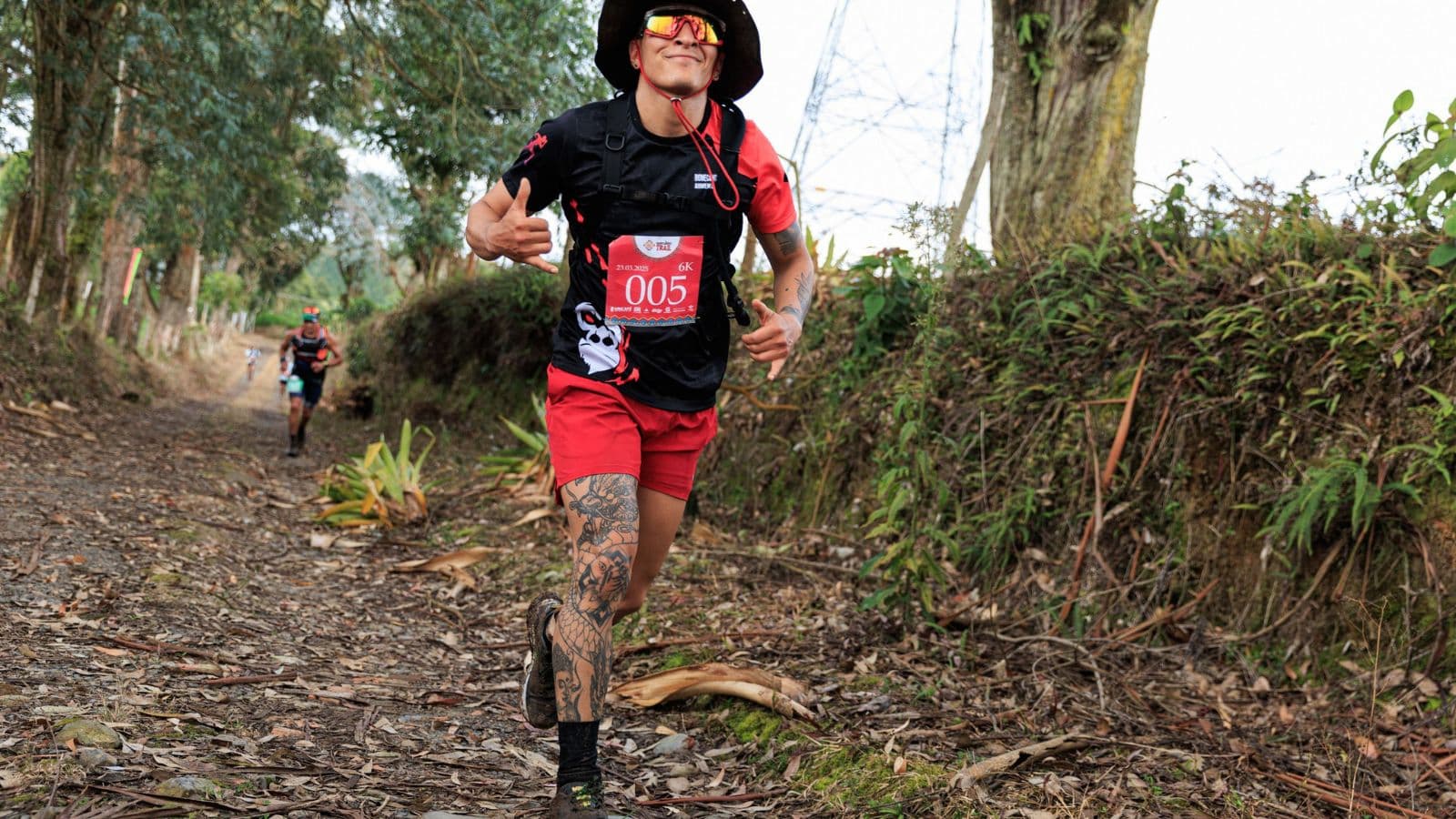
Start Recovery Immediately
The recovery process begins as soon as your run ends.
Within the first hour, focus on:
- Rehydrating
- Eating carbohydrates
- Consuming protein
- Walking for a few minutes
Athletes who understand why are carbs important for recovery after running know that replacing glycogen early helps prepare the body for its next training session.
Rehydrate Gradually
Trail running often leads to significant fluid loss, particularly in warm weather or on long climbs. Drink fluids steadily rather than consuming large amounts all at once. Include electrolytes when appropriate, especially after longer or hotter runs.
Eat a Balanced Recovery Meal
A recovery meal should include:
- Carbohydrates
- Lean protein
- Healthy fats
- Fruit and vegetables
Proper nutrition supports:
- Muscle repair
- Glycogen replenishment
- Immune function
Don’t rely solely on recovery drinks if a balanced meal is available.
Prioritise Sleep
Sleep is one of the most effective recovery tools available. During sleep, your body repairs muscle tissue, restores energy, and supports hormonal balance. Athletes who understand how can you maximize winter training for peak running performance know that consistent sleep often contributes more to long-term improvement than adding another hard workout.
Keep Moving
Complete inactivity isn’t always necessary.
Gentle movement such as:
- Walking
- Easy cycling
- Light mobility work
can improve circulation and reduce stiffness after demanding trail runs.
Replace Lost Energy
Long trail runs significantly reduce glycogen stores. Continue eating balanced meals throughout the remainder of the day rather than relying on one large recovery meal. Recovery continues for many hours after finishing your run.
Stretch Gently
Light mobility exercises may help restore comfortable movement.
Focus on:
- Calves
- Hamstrings
- Hip flexors
- Glutes
Avoid aggressive stretching if muscles are particularly sore.
Listen to Your Body
Recovery differs between athletes.
Pay attention to:
- Energy levels
- Muscle soreness
- Sleep quality
- Motivation
These signals help determine when you’re ready for your next hard session.
Easy Runs Have a Purpose
Not every run should be challenging. Athletes who understand why your trail workouts should be smarter not harder know that easy recovery runs help build fitness while allowing the body to adapt to previous training.
Manage Downhill Muscle Damage
Technical descents create significant eccentric muscle loading.
After runs with lots of descending:
- Reduce intensity for a day or two
- Prioritise nutrition
- Include gentle movement
This helps muscles recover before your next demanding session.
Don’t Skip Rest Days
Recovery isn’t lost fitness.
Planned rest days allow:
- Muscles to repair
- Tendons to recover
- Energy stores to replenish
Athletes who understand how to schedule your rest days in between two consecutive trail runs know that recovery days are an important part of long-term progress.
Compression and Massage May Help
Some runners find that:
- Compression garments
- Foam rolling
- Sports massage
help reduce feelings of soreness. While individual responses vary, these methods may improve comfort for some athletes.
Continue Hydrating
Hydration shouldn’t stop immediately after your run.
Continue drinking regularly throughout the day, particularly if:
- Conditions were hot
- The run was long
- You sweated heavily
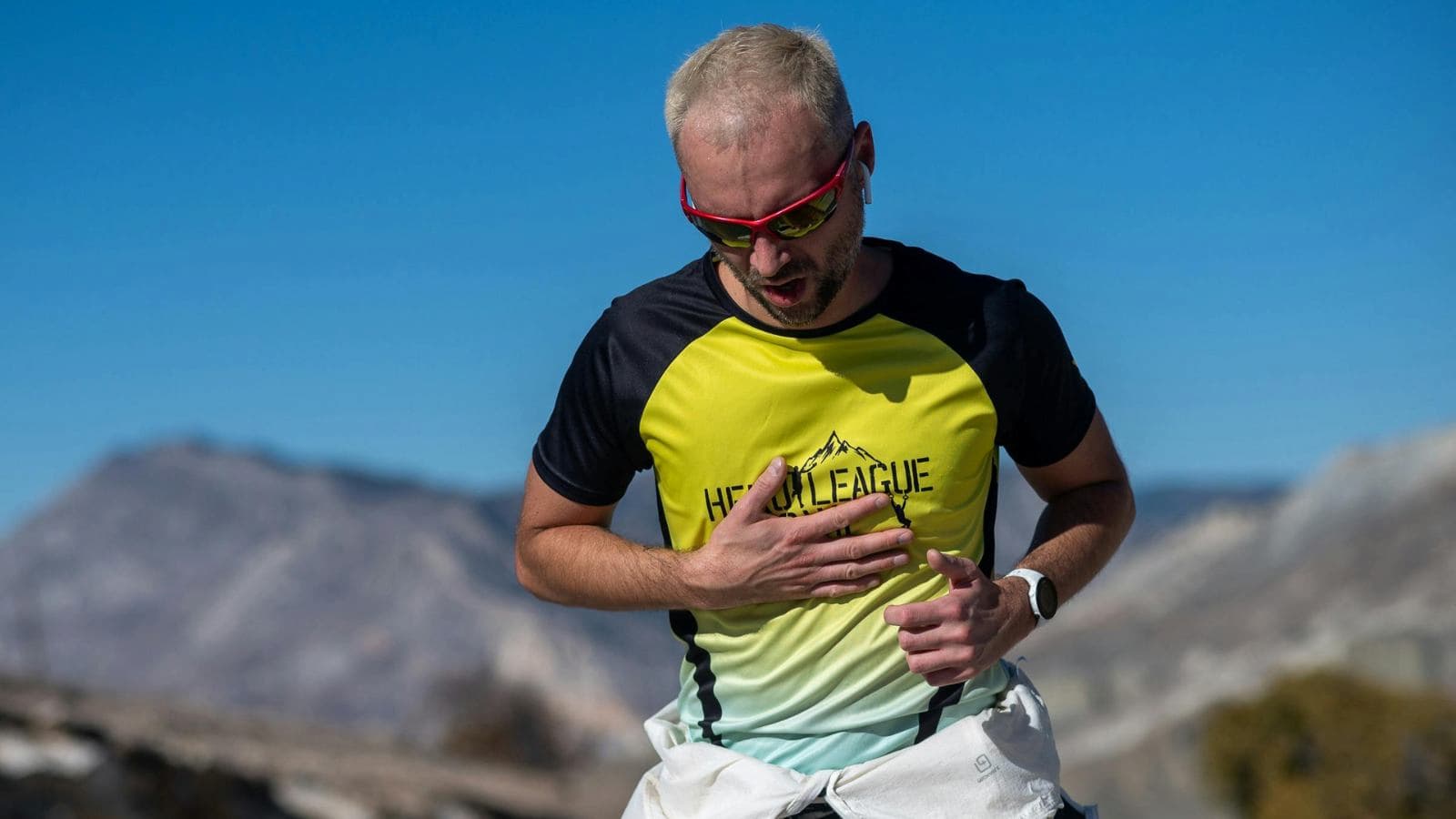
Review Your Nutrition Strategy
If you struggled with energy during your run, use recovery as an opportunity to evaluate:
- Pre-run nutrition
- Fuel during the run
- Hydration
- Post-run recovery
Athletes who understand what is the best way to train for long trail runs know that successful endurance running depends as much on nutrition as training itself.
Avoid Returning Too Soon
Feeling better doesn’t always mean your body has fully recovered. Resist the temptation to schedule another hard workout before your muscles and connective tissues have adapted. Patience usually produces better long-term results.
Use Recovery to Build Consistency
The runners who improve most aren’t necessarily those who train hardest. They’re often the ones who recover well enough to train consistently week after week. Athletes who understand how can trail runners do more with less training know that quality recovery supports consistent performance over months and years.
Learn From Every Run
After each trail run, ask yourself:
- Did I eat enough?
- Was I hydrated?
- How did my legs feel?
- How well did I sleep afterwards?
These observations help refine your recovery routine over time. Athletes who understand how can you get the most out of wearable tech for trail running know that combining training data with personal experience provides a clearer picture of recovery than relying on numbers alone.
Common Recovery Mistakes
Many trail runners:
- Skip post-run nutrition
- Ignore hydration
- Return to hard training too quickly
- Sleep too little
- Skip recovery days
- Underestimate downhill fatigue
- Neglect mobility
- Assume soreness is the only sign of recovery
Avoiding these mistakes helps improve both performance and long-term durability.
Recovering Faster After a Trail Run
To optimise recovery:
- Begin recovery immediately after finishing.
- Rehydrate steadily.
- Eat carbohydrates and protein.
- Prioritise quality sleep.
- Include gentle movement.
- Schedule recovery days.
- Monitor how your body feels.
- Build consistent recovery habits.
Recovery isn’t simply the period between runs, it’s when your body becomes stronger, more resilient, and better prepared for the next challenge. By treating recovery as an essential part of training rather than an afterthought, trail runners can improve performance, reduce injury risk, and continue enjoying the trails for years to come.
FAQs
Aim to consume carbohydrates and protein within the first hour whenever possible to support recovery.
Yes. Gentle walking helps improve circulation and can reduce stiffness after longer efforts.
Light mobility work can be helpful, but avoid aggressive stretching if muscles are very sore.
Sleep is one of the most effective recovery tools, supporting muscle repair and overall adaptation.
Not always. They become more important after longer runs or sessions in hot conditions with significant sweat loss.
It depends on your recovery. Some runners benefit from an easy recovery run, while others need a complete rest day.
Some runners find foam rolling helps reduce muscle tightness and improve comfort, although responses vary.
Yes. Descents place high eccentric loads on the muscles and often increase post-run soreness.