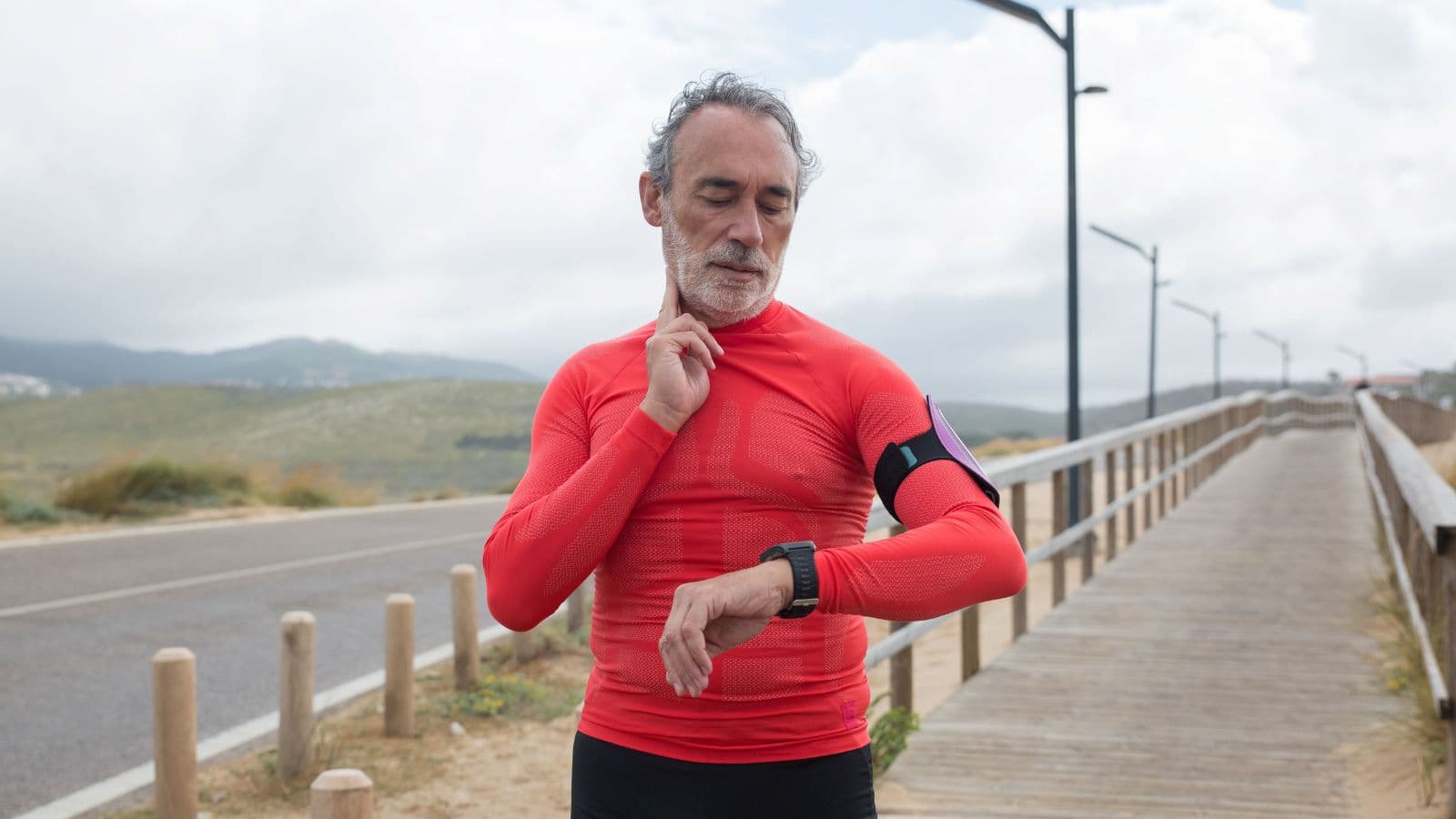



Wearable technology has transformed the way trail runners train, race, and recover. Modern GPS watches, heart rate monitors, running power meters, and recovery trackers can provide a wealth of information that was unavailable to athletes just a decade ago. However, owning the latest device does not automatically make someone a better runner. The most successful trail runners use wearable technology as a tool to support smart decision-making rather than becoming completely dependent on data. Understanding how to interpret and apply the information collected by wearables can help runners train more effectively, improve performance, and avoid common mistakes.
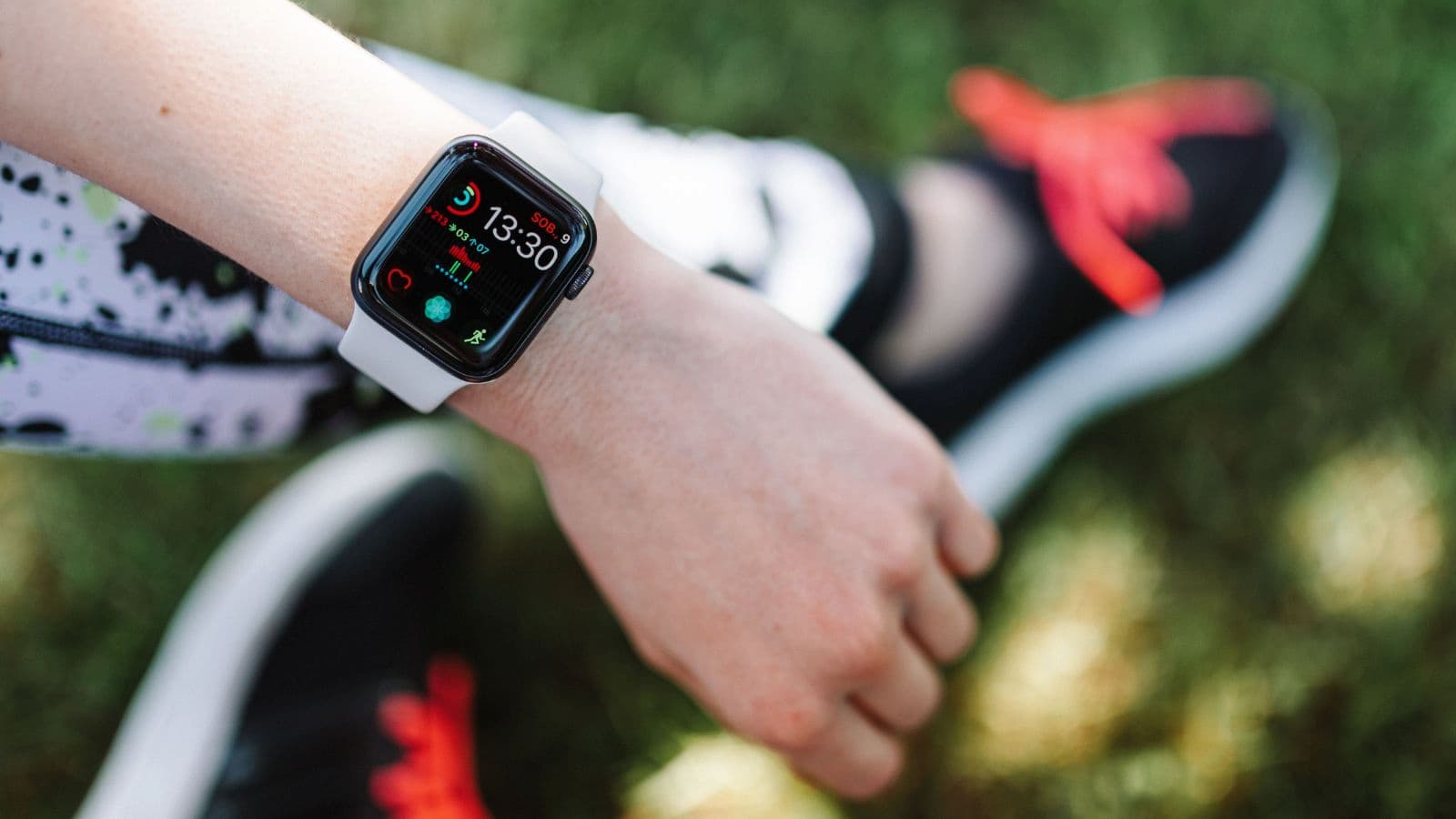
Understand What Your Device Can Actually Measure
Many runners purchase advanced devices without fully understanding the metrics available to them.
Common features include:
- GPS tracking
- Heart rate monitoring
- Elevation data
- Cadence tracking
- Sleep monitoring
- Recovery metrics
- Navigation tools
Before chasing every number, learn what each metric actually means and how it relates to your training goals.
Focus on Trends, Not Individual Workouts
One workout rarely tells the full story.
Instead of obsessing over:
- A single bad run
- One poor recovery score
- An unusual heart rate reading
look for longer-term patterns. Athletes who understand why is consistency more important than intensity for running success know that long-term progress is usually reflected in trends rather than isolated data points.
Use Heart Rate to Control Effort
One of the most useful features of wearable technology is heart rate monitoring.
Heart rate data can help runners:
- Avoid starting too fast
- Manage effort on climbs
- Improve aerobic development
- Prevent excessive fatigue
This becomes particularly valuable on trails where pace can vary dramatically depending on terrain.
Don’t Let Pace Dictate Every Run
Trail conditions often make pace an unreliable metric.
Factors such as:
- Mud
- Rocks
- Elevation
- Technical terrain
can dramatically influence pace without reflecting actual effort. Athletes who understand how marathon training differ from trail running know that effort often matters more than speed during trail training. Use pace as a guide, not a rule.
Learn From Elevation Data
Trail runners can gain valuable insights from elevation metrics.
Monitoring:
- Total climbing
- Descent volume
- Grade profiles
can help runners better understand the demands of their routes. Athletes who understand how to run at altitude often use elevation data to prepare more effectively for race-specific terrain.
Use Navigation Features Wisely
Many modern GPS watches include navigation tools that can be invaluable on unfamiliar trails.
Benefits include:
- Route guidance
- Turn alerts
- Location tracking
- Safety features
These tools can help runners explore new terrain with greater confidence. However, basic navigation skills should never be completely abandoned.
Monitor Recovery, But Don’t Obsess
Many wearables now provide:
- Recovery scores
- Readiness metrics
- Training load estimates
These can be useful indicators, but they should not replace common sense. Athletes should never rely too much on the training data solely and should understand how to recover faster after a race & know that recovery decisions should combine data with personal experience and physical feedback. Your body often knows things your watch doesn’t.
Track Sleep Consistently
Sleep is one of the most important factors influencing performance and recovery.
Wearable devices can help runners:
- Monitor sleep duration
- Identify patterns
- Improve recovery habits
While sleep tracking is not perfect, it can increase awareness of recovery behaviours that influence performance.
Use Cadence Data to Improve Efficiency
Cadence refers to the number of steps taken per minute.
Monitoring cadence can help runners identify:
- Excessive overstriding
- Changes in form
- Fatigue-related inefficiencies
Athletes who understand how do arm swings improve running form know that efficient running often results from multiple small improvements working together.
Compare Similar Runs
Data is most useful when comparing like-for-like efforts.
For example:
- Same trail
- Similar conditions
- Similar effort levels
Comparing vastly different routes often creates misleading conclusions. Context always matters.
Use Technology to Support Recovery
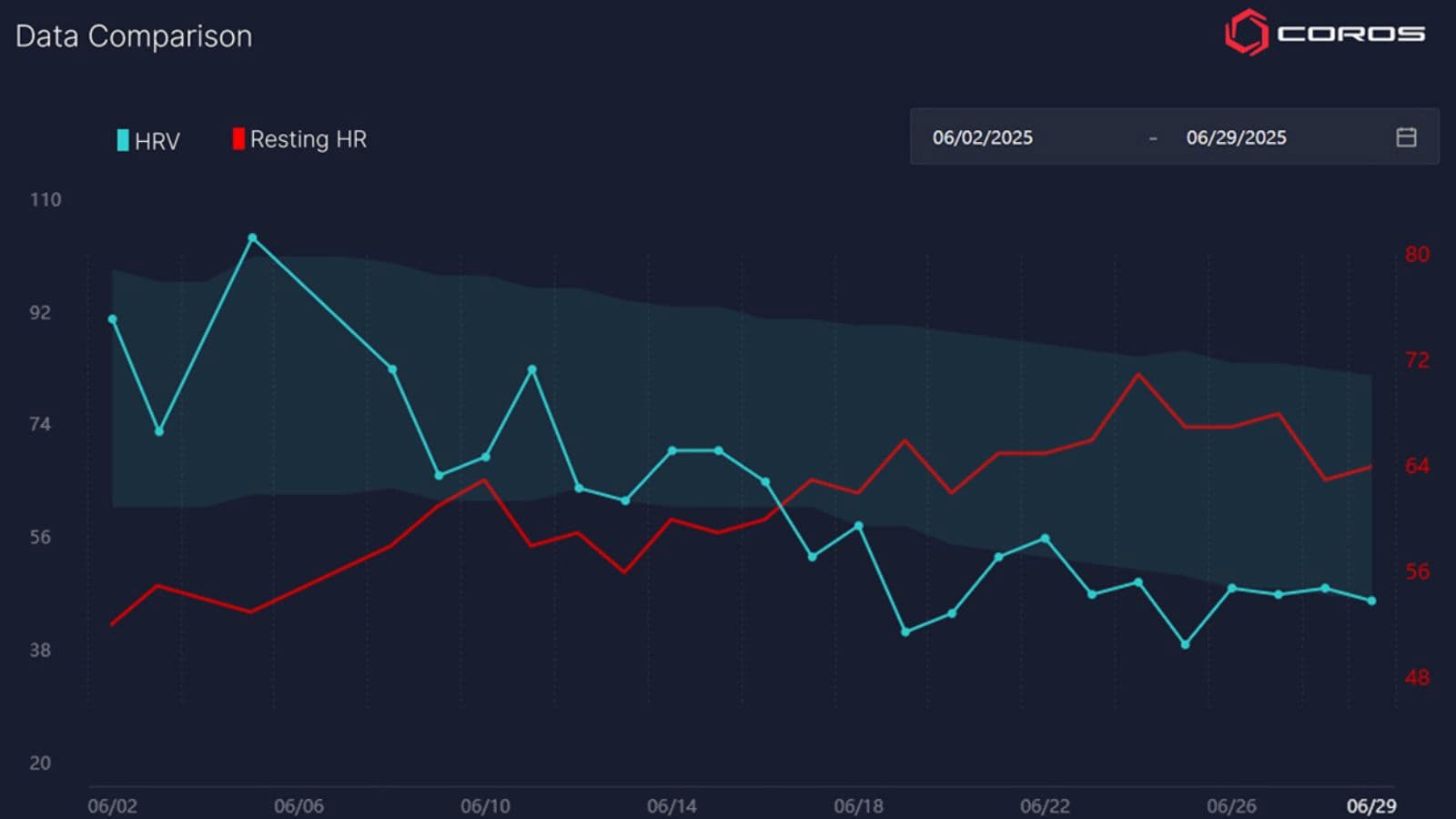
Wearables can help identify:
- Elevated resting heart rate
- Poor sleep
- Excessive training load
These signs may indicate the need for additional recovery. Athletes who understand how to prevent injuries when starting workouts know that early intervention often prevents bigger problems later.
Avoid Data Overload
Modern devices provide enormous amounts of information. The problem is that more data isn’t always better.
Many runners benefit from focusing primarily on:
- Distance
- Time
- Heart rate
- Elevation
Use Wearables to Improve Pacing
One of the most valuable uses of wearable technology is pacing control. Many runners start races too aggressively.
Wearable data can help athletes:
- Stay disciplined
- Avoid early fatigue
- Execute race plans more effectively
This becomes particularly important during long trail races and ultras.
Understand the Limits of Technology
Even the best devices have limitations.
GPS signals can be affected by:
- Dense forests
- Mountains
- Weather conditions
Heart rate monitors can occasionally produce inaccurate readings. Athletes who understand why your workouts should be smarter not harder know that data should inform decisions rather than dictate them completely.
Let Data Support Motivation
Wearable technology can be a powerful motivational tool.
Tracking:
- Weekly mileage
- Climbing totals
- Training consistency
can help runners stay engaged and accountable. However, motivation should not become entirely dependent on metrics.
Use Technology to Explore More Trails
GPS devices often make it easier to:
- Discover new routes
- Navigate unfamiliar terrain
- Plan adventures safely
Athletes who understand how do trail runners stay motivated and have fun on the trails know that exploring new environments can be one of the most enjoyable aspects of trail running. Technology can support that experience.
Don’t Ignore How You Feel
Perhaps the most important rule of wearable technology is this: Data should complement perception, not replace it. Athletes who understand how to overcome pre race nerves know that successful training often comes from balancing objective metrics with subjective feedback. Your watch provides information. Your body provides context. Both matter.
Common Wearable Tech Mistakes
Many trail runners:
- Obsess over every metric
- Ignore recovery signals
- Compare themselves to others
- Chase numbers instead of goals
- Misinterpret data
- Rely entirely on GPS pace
- Forget the limitations of technology
- Ignore personal perception
Most of these issues can be avoided with a balanced approach.
How to Get the Most Out of Wearable Tech?
Trail runners can maximise wearable technology by:
- Understanding key metrics
- Focusing on long-term trends
- Using heart rate intelligently
- Monitoring recovery habits
- Tracking sleep patterns
- Improving pacing
- Supporting exploration and safety
- Balancing data with personal feedback
Wearable technology can be a valuable training companion, but it works best when combined with experience, self-awareness, and smart decision-making. The goal is not to collect more data, it is to use the right data to become a better trail runner.
FAQs
Yes. They provide navigation, distance tracking, elevation data, and training insights.
Heart rate and elevation data are often among the most valuable.
Not always. Terrain and elevation can make pace misleading.
They can be useful indicators but should not replace personal judgment.
Yes, when used appropriately to guide training and recovery decisions.
No. Focusing on a few meaningful metrics is often more effective.