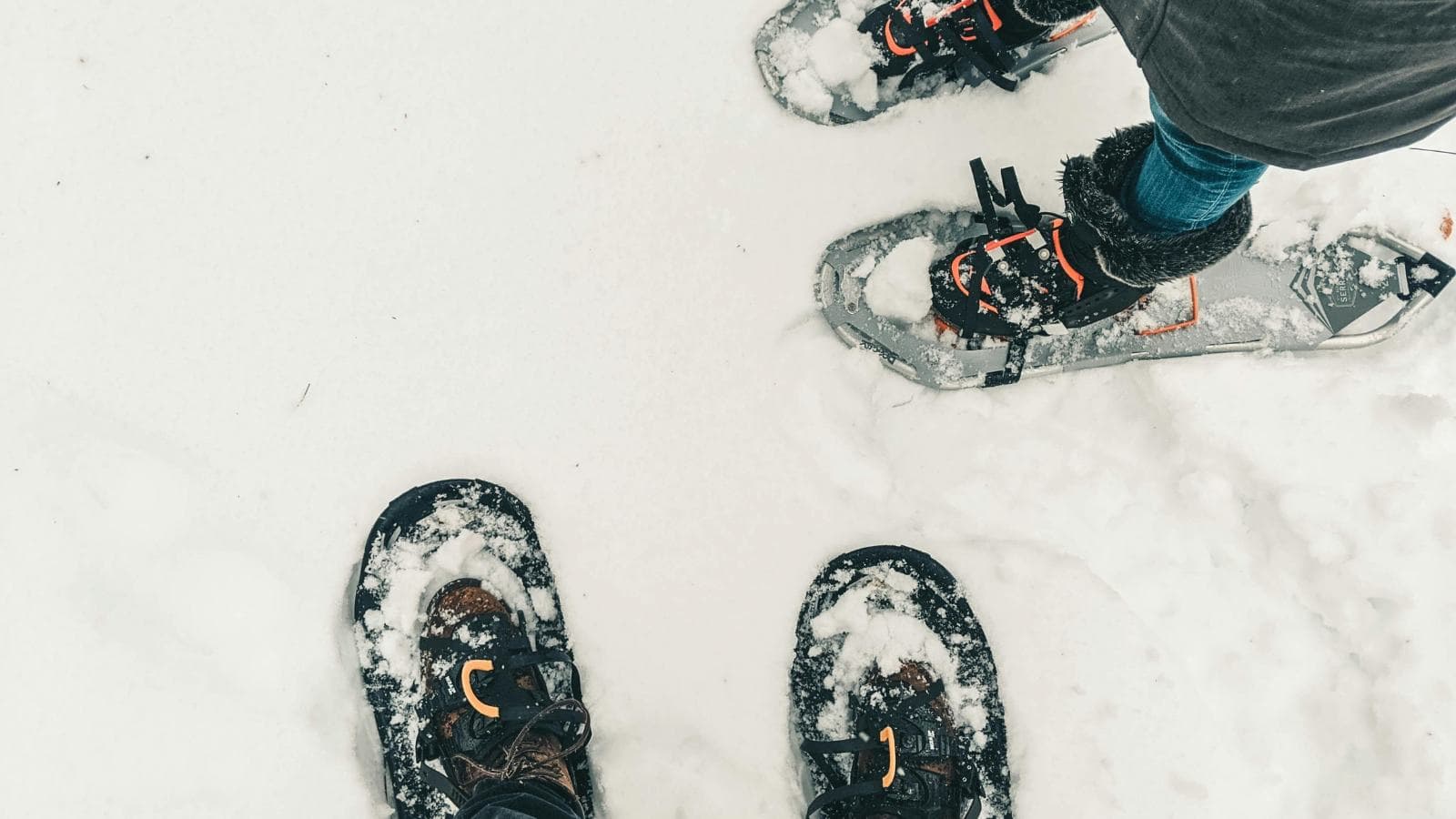



Running a marathon is challenging enough on roads or trails. Add snow, freezing temperatures, uneven terrain, and snowshoes strapped to your feet, and the challenge becomes something entirely different. Snowshoe marathons have grown in popularity among endurance athletes looking for a unique winter challenge. These events combine aerobic endurance, muscular strength, mental toughness, and winter-specific skills into one demanding race experience.
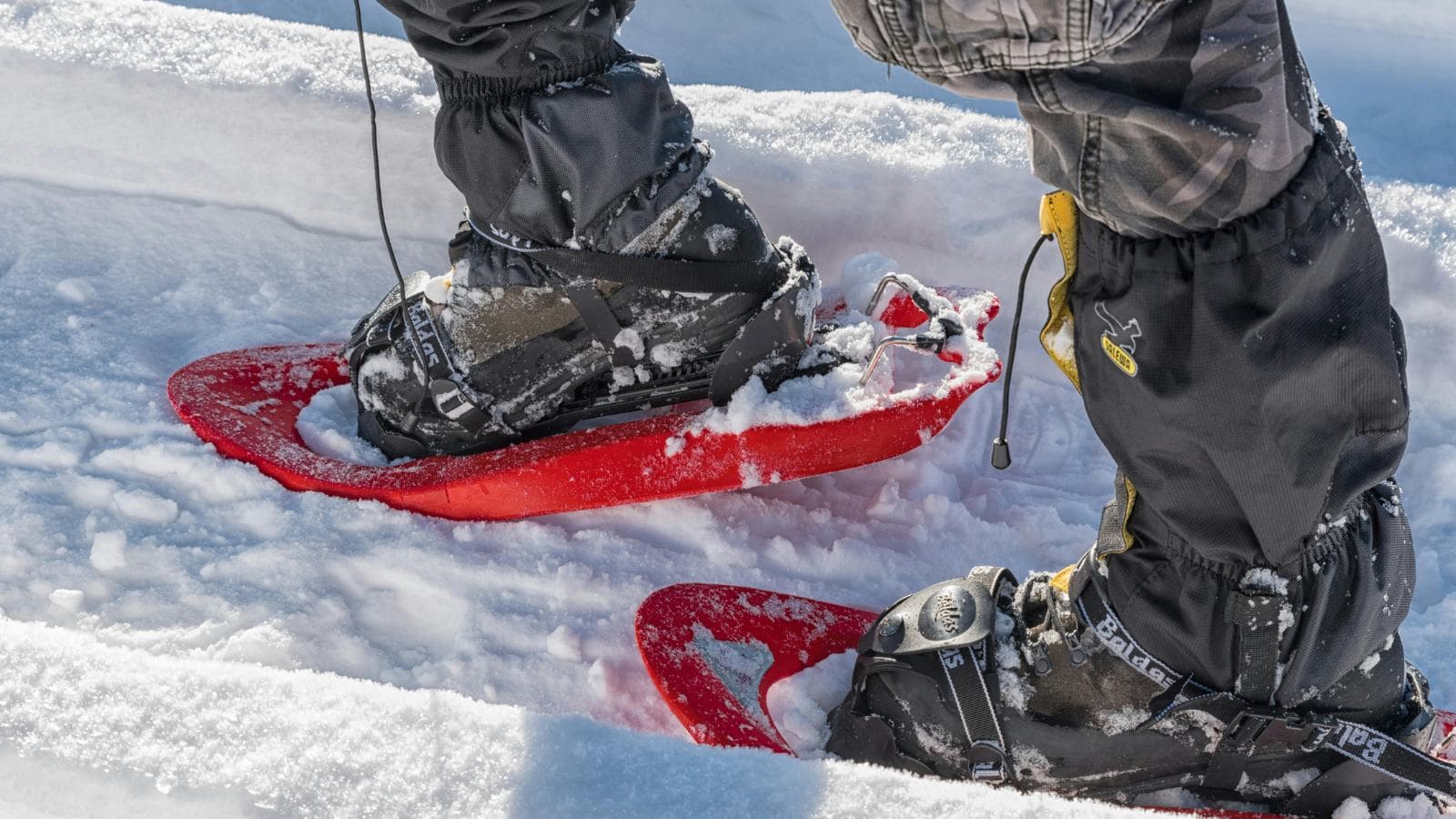
Unlike traditional marathons, snowshoe races require runners to work against resistance from both the snow and the snowshoes themselves. As a result, training requires more than simply following a standard marathon plan. If you’re considering a snowshoe marathon, here’s how to prepare safely and effectively.
Understand the Unique Demands of Snowshoe Running
Snowshoe running places different demands on the body than road or trail running.
Athletes must contend with:
- Deeper footing
- Reduced traction
- Added weight on the feet
- Cold temperatures
- Greater energy expenditure
Runners who understand what should beginners know about snowshoe running often discover that adapting to the equipment is just as important as building fitness. The more familiar you become with snowshoes, the more efficient you’ll be on race day.
Build a Strong Aerobic Base
Like any marathon, success starts with endurance.
Your training should include:
- Easy aerobic runs
- Long runs
- Recovery runs
- Consistent weekly mileage
Athletes who understand how to avoid common zone 2 running mistakes know that endurance is built through regular training over time rather than occasional hard efforts. Consistency remains the foundation.
Spend Time Running in Snowshoes
No amount of regular running fully replicates snowshoe running.
Training in snowshoes helps develop:
- Technique
- Balance
- Strength
- Efficiency
Even experienced runners often find snowshoe running surprisingly demanding initially. The earlier you begin practicing, the better.
Increase Leg Strength
Snowshoe running requires greater muscular effort than running on clear ground.
Important areas include:
- Glutes
- Quadriceps
- Hamstrings
- Calves
- Hip stabilisers
Athletes who understand how to beat first mile fatigue in trail running often find that hill training naturally develops many of the same strength qualities needed for snowshoe racing. Strong legs make winter terrain more manageable.
Incorporate Hill Workouts
Many snowshoe marathon courses feature:
- Climbs
- Rolling terrain
- Variable snow conditions
Hill sessions can help improve:
- Strength
- Power
- Cardiovascular fitness
Both uphill and downhill practice are valuable. Snow-covered hills often demand different techniques than dry trails.
Practice Long Efforts in Winter Conditions
Marathon success depends on race-specific preparation. Whenever possible, complete long sessions in conditions similar to your race environment.
This helps athletes:
- Test equipment
- Learn pacing
- Practice fueling
- Adapt mentally
Winter conditions often feel much different than training indoors or on dry roads.
Focus on Time Rather Than Pace
Snow conditions can dramatically affect speed.
Factors such as:
- Fresh snow
- Packed snow
- Ice
- Wind
may make pace an unreliable measure of effort. Athletes who understand progressive overload training to improve performance often appreciate that effort can be a more useful guide than pace in challenging environments. Focus on workload rather than numbers.
Strengthen Your Core
A strong core helps maintain:
- Stability
- Balance
- Efficient movement
Snowshoe runners frequently encounter uneven surfaces that challenge coordination. Core training can help improve control and reduce energy waste during long races.
Learn to Fuel in Cold Conditions
Many athletes underestimate nutrition needs during winter events.
Cold weather can:
- Reduce thirst sensation
- Increase calorie expenditure
- Affect hydration habits
Athletes who understand how to fuel for a trail run know that fueling strategies should be practiced during training rather than improvised on race day. Nutrition remains critical even when temperatures are low.
Develop Mental Resilience
Snowshoe marathons are often slower and more physically demanding than traditional marathons.
Conditions can include:
- Deep snow
- Wind
- Cold temperatures
- Difficult footing
Athletes who understand how to start trail running safely as a beginner often find that embracing the adventure helps maintain a positive mindset during challenging conditions. Mental strength matters.
Practice Race-Day Gear
Your equipment should be thoroughly tested before race day.
Important items include:
- Snowshoes
- Clothing layers
- Gloves
- Hydration systems
- Nutrition storage
Unexpected equipment issues can become major problems in winter environments. Training sessions provide opportunities to identify and fix potential issues.
Don’t Neglect Recovery
Snowshoe running can create significant muscular fatigue.
Recovery strategies should include:
- Sleep
- Nutrition
- Mobility work
- Easy recovery days
Athletes who understand increasing running mileage with decrease in injury risk know that managing recovery is essential for staying healthy during demanding training blocks.
Use Cross-Training Strategically
Winter conditions sometimes make running difficult.
Alternative activities may include:
- Cross-country skiing
- Hiking
- Indoor cycling
- Strength training
These activities can maintain fitness while reducing repetitive impact.
Endurance Athletes Face Similar Winter Challenges
Cold-weather training requires flexibility across endurance sports. Athletes who understand how consistency improves cycling success often recognise that adapting training to seasonal conditions is more effective than forcing perfect workouts. The same principle applies when preparing for a snowshoe marathon.
Common Snowshoe Marathon Training Mistakes
Many runners struggle because they:
- Train exclusively on roads
- Ignore snowshoe-specific practice
- Neglect strength training
- Underestimate nutrition needs
- Wear untested gear
- Focus too heavily on pace
- Skip hill work
- Ignore recovery
Most of these mistakes can be avoided with proper planning.
How to Prepare for a Snowshoe Marathon?
Successful preparation typically includes:
- Building aerobic fitness
- Practicing in snowshoes regularly
- Strength training
- Hill workouts
- Long winter sessions
- Race-specific fueling practice
- Equipment testing
- Consistent recovery
Snowshoe marathons reward athletes who prepare specifically for the unique demands of winter running. The combination of endurance, strength, technical skill, and resilience makes them one of the most challenging, and rewarding, events in the running world.
FAQs
Yes. Snowshoe running typically requires more energy because of added resistance and challenging footing.
Most snowshoe marathons cover the traditional marathon distance of 26.2 miles (42.2km).
Yes. Running-specific snowshoes are generally lighter and more suitable for racing.
Focus on endurance, strength, snowshoe-specific practice, and winter-condition preparation.
Absolutely. Hill workouts help build the strength and fitness needed for snow-covered terrain.
Many trail runners adapt well because of their experience with uneven terrain and endurance events.
Use nutrition strategies similar to other endurance events and practice them during training.