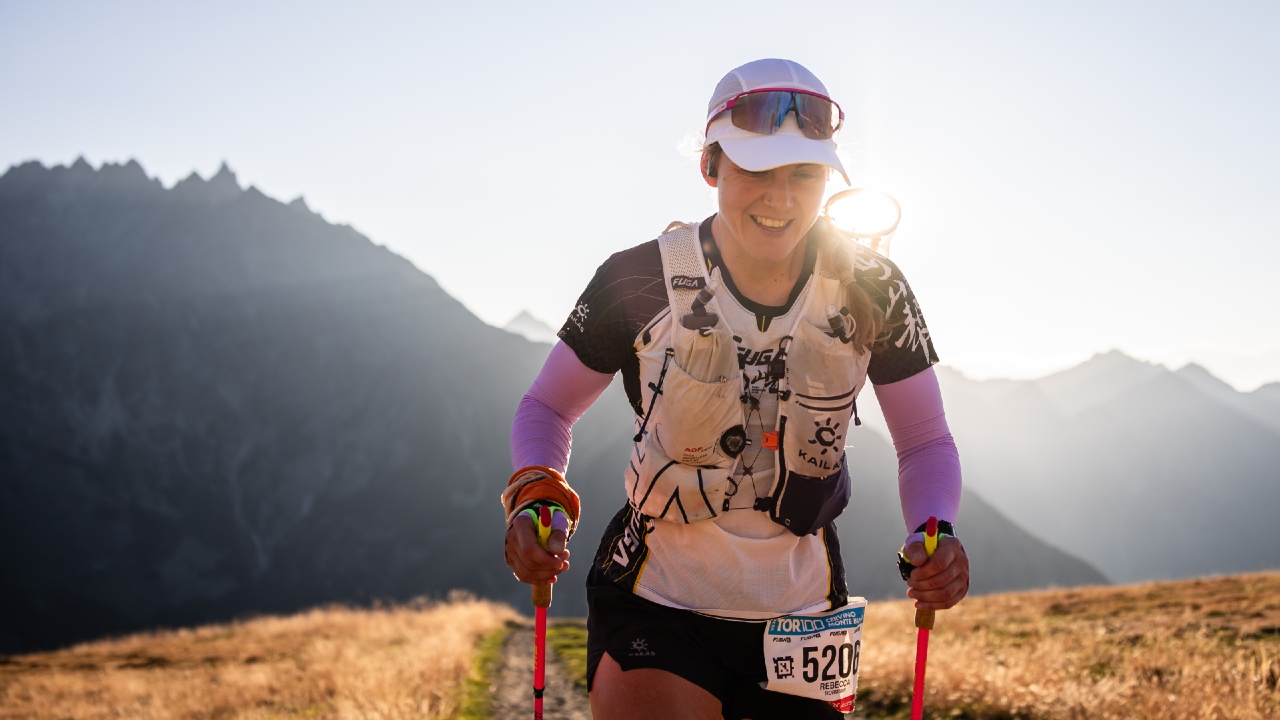


Trail running is about more than pace, distance, or race results. For many runners, the trails offer an escape from daily stress, an opportunity to explore nature, and a chance to reconnect with the reasons they fell in love with running in the first place. Yet even the most passionate trail runners occasionally struggle with motivation. Busy schedules, bad weather, training plateaus, and race setbacks can all make it harder to stay excited about getting out the door.

The good news is that motivation doesn’t have to rely solely on discipline. By approaching trail running with the right mindset and keeping the experience enjoyable, runners can maintain enthusiasm and consistency for years.
Remember Why You Started
Many runners begin trail running because they enjoy:
- Adventure
- Nature
- Freedom
- Exploration
Over time, it’s easy to become overly focused on:
- Pace
- Mileage
- Race results
- Training plans
Stepping back and remembering why you started can help restore enjoyment. Athletes who understand how can runners improve longevity in ultrarunning often discover that long-term success depends on maintaining a healthy relationship with the sport.
Explore New Routes
Running the same trail repeatedly can eventually feel repetitive.
One of the easiest ways to boost motivation is by exploring:
- New parks
- Mountain trails
- Forest routes
- Coastal paths
Trail running naturally rewards curiosity. Every new route provides fresh scenery, different challenges, and new experiences.
Focus Less on Pace
Trail conditions constantly change.
Factors such as:
- Elevation
- Mud
- Rocks
- Weather
can dramatically affect pace. Athletes who understand what are up-down intervals and how do they improve trail racing know that trail performance is often about effort and terrain management rather than pace alone.
Letting go of pace expectations can make runs far more enjoyable.
Train With Friends
Trail running can be a social experience.
Running with others can:
- Increase accountability
- Improve motivation
- Make long runs feel shorter
- Create memorable experiences
Many runners find that conversation and shared challenges help them stay engaged throughout the year.
Embrace Adventure
One of the unique aspects of trail running is the sense of adventure.
Unlike road running, trails often involve:
- Unexpected terrain
- Wildlife encounters
- Scenic viewpoints
- Remote environments
Athletes who understand how to start trail running safely as a beginner often discover that exploration becomes one of the sport’s biggest rewards.
Adventure can be a powerful motivator.
Set Different Types of Goals
Not every goal needs to involve racing.
Alternative goals may include:
- Exploring new trails
- Reaching a summit
- Completing a long adventure run
- Improving technical skills
- Running consistently for a month
Variety helps prevent burnout.
Celebrate Small Wins
Many athletes focus exclusively on major achievements.
However, motivation often grows when runners acknowledge:
- Consistent training weeks
- Personal improvements
- Successful recovery from setbacks
- New trail discoveries
Progress comes in many forms.
Appreciate the Mental Benefits
Trail running provides more than physical fitness.
Many runners use trails to:
- Reduce stress
- Improve mood
- Disconnect from technology
- Clear their minds
Athletes who understand what should beginners know about snowshoe running often appreciate that outdoor endurance sports provide benefits beyond performance metrics.
Sometimes the best runs have nothing to do with pace.
Mix Up Your Training
Doing the same workout repeatedly can become stale.
Variety can include:
- Hill sessions
- Technical trails
- Recovery runs
- Adventure runs
- Group outings
Athletes who understand how can you beat first-mile fatigue in trail running often find that changing training stimuli helps keep running fresh and enjoyable.
Don’t Let Bad Runs Define You
Every runner experiences:
- Tough workouts
- Low-energy days
- Missed goals
One difficult run does not erase months of progress. Athletes who understand what should you do if you are not ready for race day know that setbacks are part of the endurance journey. Consistency matters more than perfection.
Use Races as Experiences
Not every race needs to be about chasing a personal best.
Many trail races offer:
- Incredible scenery
- Community atmosphere
- Unique challenges
Approaching races as experiences rather than tests can reduce pressure and increase enjoyment.
Spend Time in Nature
Research consistently shows that spending time outdoors can support:
- Mental well-being
- Mood
- Stress reduction
Trail running provides a unique opportunity to combine exercise with nature exposure. Athletes who understand how can new mothers rebuild fitness for trail running often find that the mental benefits of trail running become just as valuable as the physical ones.
Keep Learning New Skills
Trail running offers endless opportunities for improvement.
Areas to develop include:
- Descending technique
- Climbing efficiency
- Fueling strategies
- Navigation
- Technical footwork
Learning keeps the sport engaging.
Use Challenges Carefully
Challenges can be motivating, but they should remain enjoyable.
Examples include:
- Monthly mileage goals
- Summit challenges
- Adventure projects
- New trail objectives
The challenge should support enjoyment rather than create stress.
Endurance Sports Share Similar Motivation Principles
Athletes across endurance sports often discover that enjoyment drives consistency. For example, cyclists frequently find that cycling consistency produces better long-term results than constantly chasing intense workouts. The same principle applies to trail running.
Fun often fuels consistency.
Common Motivation Killers
Trail runners often lose motivation when they:
- Focus only on pace
- Compare themselves to others
- Run the same routes repeatedly
- Ignore recovery
- Set unrealistic goals
- Race too frequently
- Forget why they started
- Treat every run as a performance test
Recognising these traps can help prevent burnout.
How to Stay Motivated on the Trails?
Trail runners can maintain motivation by:
- Exploring new routes
- Running with friends
- Setting varied goals
- Celebrating progress
- Focusing on experiences
- Spending time in nature
- Learning new skills
- Keeping the sport fun
The runners who stay in the sport the longest are rarely the ones who obsess over every split or race result. More often, they are the athletes who continue finding joy in the simple act of running through beautiful places.
FAQs
By focusing on enjoyment, variety, exploration, and realistic goals rather than solely on performance.
Yes. Most runners experience periods of reduced motivation.
Absolutely. Social interaction often improves consistency and enjoyment.
Not necessarily. Some runs should simply be enjoyable.
Explore new routes, try different terrains, and focus less on pace.
They can, especially when viewed as experiences rather than performance tests.
Many runners find outdoor environments enhance enjoyment and mental well-being.
Remembering why you started and keeping trail running enjoyable.