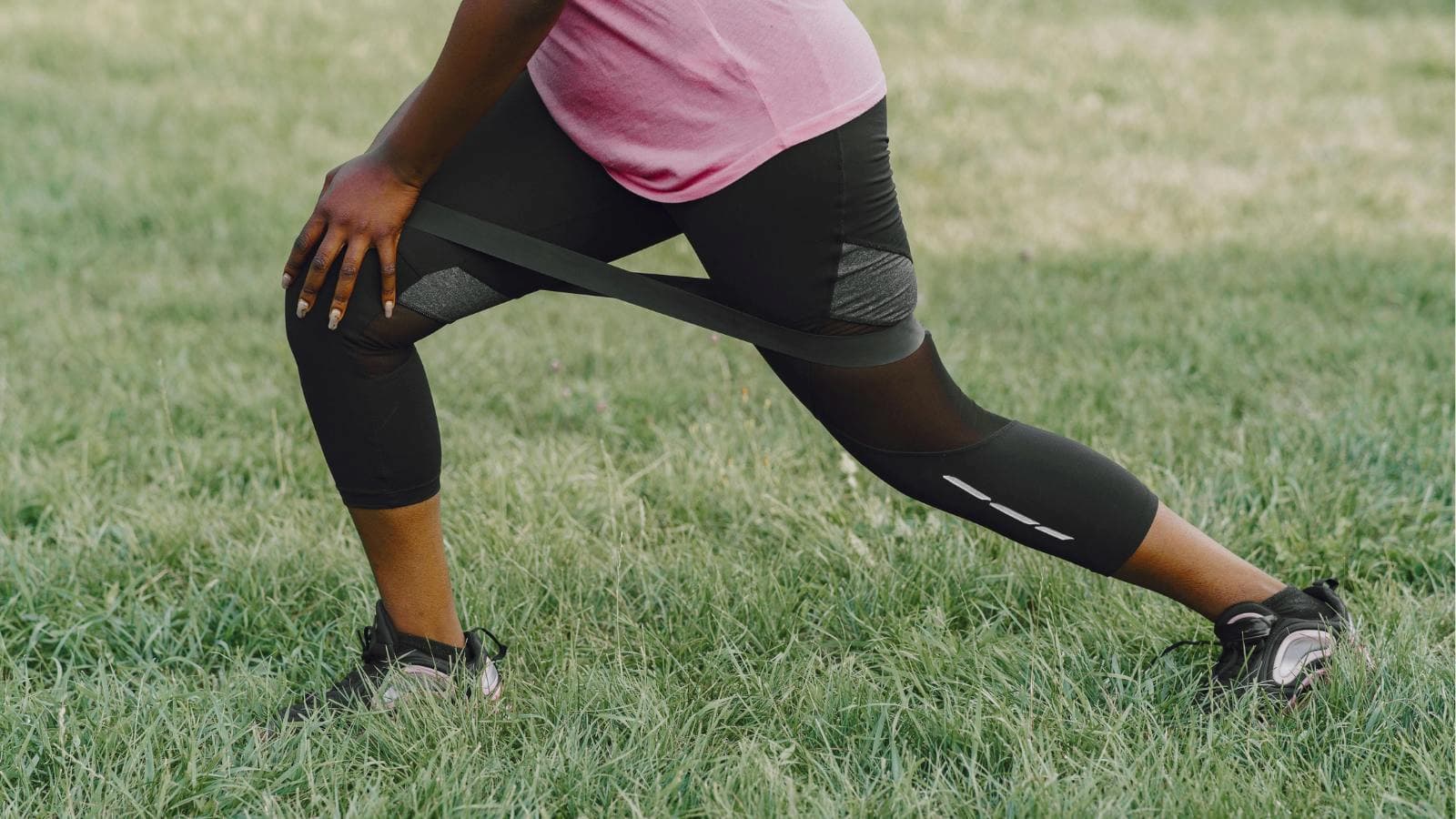



IT band pain is one of the most common overuse injuries runners experience, especially during periods of increased mileage or intensity. It usually appears as pain on the outside of the knee and can quickly turn from mild discomfort into a problem that disrupts training completely. The good news is that IT band pain is often manageable with the right combination of load management, strength work, and movement improvements.

What IT Band Pain Actually Is?
The iliotibial band, or IT band, is a thick band of connective tissue that runs from the hip down to the outside of the knee. Its role is to help stabilise the leg during movement. When runners talk about “IT band syndrome,” they are usually referring to irritation around the outer knee caused by excessive stress and repetitive movement. The pain often starts gradually and worsens during longer runs or downhill running.
Why Runners Develop IT Band Pain?
IT band pain is rarely caused by one single issue. In most cases, it develops because the body is unable to handle the training load being placed on it.
Common contributing factors include:
- Rapid increases in mileage
- Weak hip and glute muscles
- Poor running mechanics
- Lack of recovery
- Excessive downhill running
Training errors are one of the biggest triggers, similar to issues discussed in avoiding bonking, where poor load management often leads to injury and fatigue.
Reduce Running Load Temporarily
The first step in fixing IT band pain is reducing the stress causing the irritation. This does not always mean stopping running completely, but it usually requires lowering training volume and intensity temporarily. Continuing to push through pain often makes the issue worse and prolongs recovery.
Instead, focus on controlled, manageable running while symptoms calm down.
Strengthen the Glutes and Hips
Weak hips and glutes are strongly linked to IT band issues because they reduce stability during running. When these muscles are not doing their job properly, extra stress shifts to the knee area.
Key exercises include:
- Glute bridges
- Clamshells
- Side leg raises
- Single-leg squats
Building strength here improves stability and reduces excessive strain on the IT band. Strength work also supports better overall running mechanics, similar to strategies used in improving running endurance, where stability plays a major role in injury prevention.
Improve Running Mechanics Naturally
Poor movement patterns can increase stress on the outside of the knee. One of the most common issues is overstriding, where the foot lands too far in front of the body. Improving running efficiency through posture, cadence, and smoother movement often reduces IT band stress naturally. This is especially important in longer-distance training, much like concepts discussed in running longer distances without burning out, where efficient movement improves both comfort and performance.
Adjust Your Training Progression
Sudden increases in mileage or intensity are one of the biggest causes of IT band pain. The body adapts gradually, and rapid spikes in training overload the tissues before they are ready. A better approach is controlled progression with gradual increases over time.
Including recovery weeks also helps prevent excessive stress accumulation.
Use Mobility Work Carefully
Mobility can help reduce tension around the hips and surrounding muscles, but many runners spend too much time aggressively foam rolling the IT band itself.
Instead, focus on improving mobility in:
- Hips
- Glutes
- Quadriceps
- Calves
This helps improve overall movement quality without irritating the already sensitive area.
Don’t Ignore Recovery
Recovery plays a major role in managing overuse injuries. Poor sleep, excessive fatigue, and inadequate nutrition all reduce your body’s ability to repair and adapt. Prioritising recovery helps reduce inflammation and improve tissue resilience over time. This balance between training and recovery is also highlighted in pacing a 5k, 10k and half marathon, where recovery is essential for performance and injury reduction.
Avoid Downhill Running Temporarily
Downhill running places extra stress on the knees and IT band because of increased braking forces. If symptoms are active, reducing downhill running can significantly decrease irritation.
Once symptoms improve, hills can gradually be reintroduced.
Check Your Footwear
Shoes do not directly “cause” IT band syndrome, but worn-out or unsuitable footwear may contribute to poor mechanics and increased stress.
Replacing shoes when needed and choosing a comfortable model can help improve overall running comfort and efficiency.
Cross-Train While Recovering
If running aggravates symptoms, low-impact cross-training can help maintain fitness while reducing stress on the knee.
Good options include:
- Cycling
- Swimming
- Pool running
This allows you to stay active without completely stopping training.
Build Back Gradually
As symptoms improve, avoid jumping straight back into full training. Gradually rebuild mileage and intensity to allow the body to adapt properly.
Rushing this process often leads to recurring pain.
Consistency and patience are key.
Common Mistakes That Make IT Band Pain Worse
- Ignoring pain and continuing hard training
- Increasing mileage too quickly
- Skipping strength work
- Over-focusing on foam rolling the IT band itself
- Returning to full training too early
Avoiding these mistakes significantly improves recovery outcomes.
Practical Tips to Fix IT Band Pain
- Reduce training load temporarily
- Strengthen hips and glutes
- Improve running mechanics gradually
- Prioritise recovery and sleep
- Use cross-training when needed
- Return to training progressively
What You Should Do?
Start by reducing any training that significantly increases pain. Add strength work focused on hip and glute stability while gradually improving running mechanics. Be patient with the recovery process and avoid rushing back into full mileage too quickly. Supporting your training with structured progression, like approaches used in structuring interval training for beginners, helps your body adapt more safely over time.
Long-term improvement comes from balancing training stress with recovery, not simply pushing through pain. With the right adjustments, most runners can return to training stronger and more resilient.
FAQs
Usually overuse and poor load management. Weak hips and running mechanics also contribute.
Reduce painful running temporarily. Mild symptoms may allow controlled running.
It may help surrounding muscles, but it is not a complete solution. Strength and load management matter more.
Glute and hip strengthening exercises are most effective. Stability work is especially important.
Yes, overstriding and poor mechanics increase stress on the knee. Efficient movement helps reduce irritation.
Recovery varies, but gradual improvement often takes weeks. Consistency is important.
Yes, downhill running increases knee stress. Reducing it temporarily often helps.
Yes, especially after rapid mileage increases. Gradual progression reduces risk.