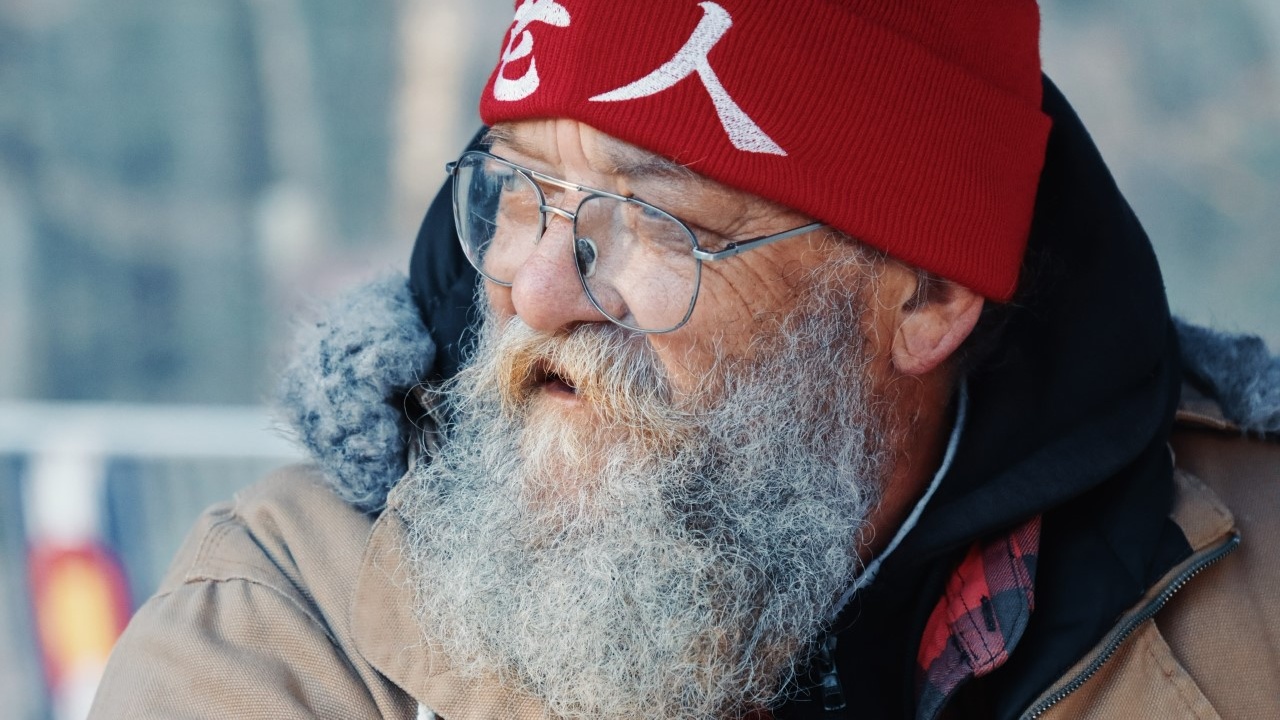


Winter running races create unique challenges that affect:
- Pacing
- Muscle function
- Hydration
- Breathing
- Footing
- Recovery
- Overall race execution
Cold weather does not automatically make racing dangerous, but runners who fail to adapt properly often struggle with performance decline and avoidable mistakes.
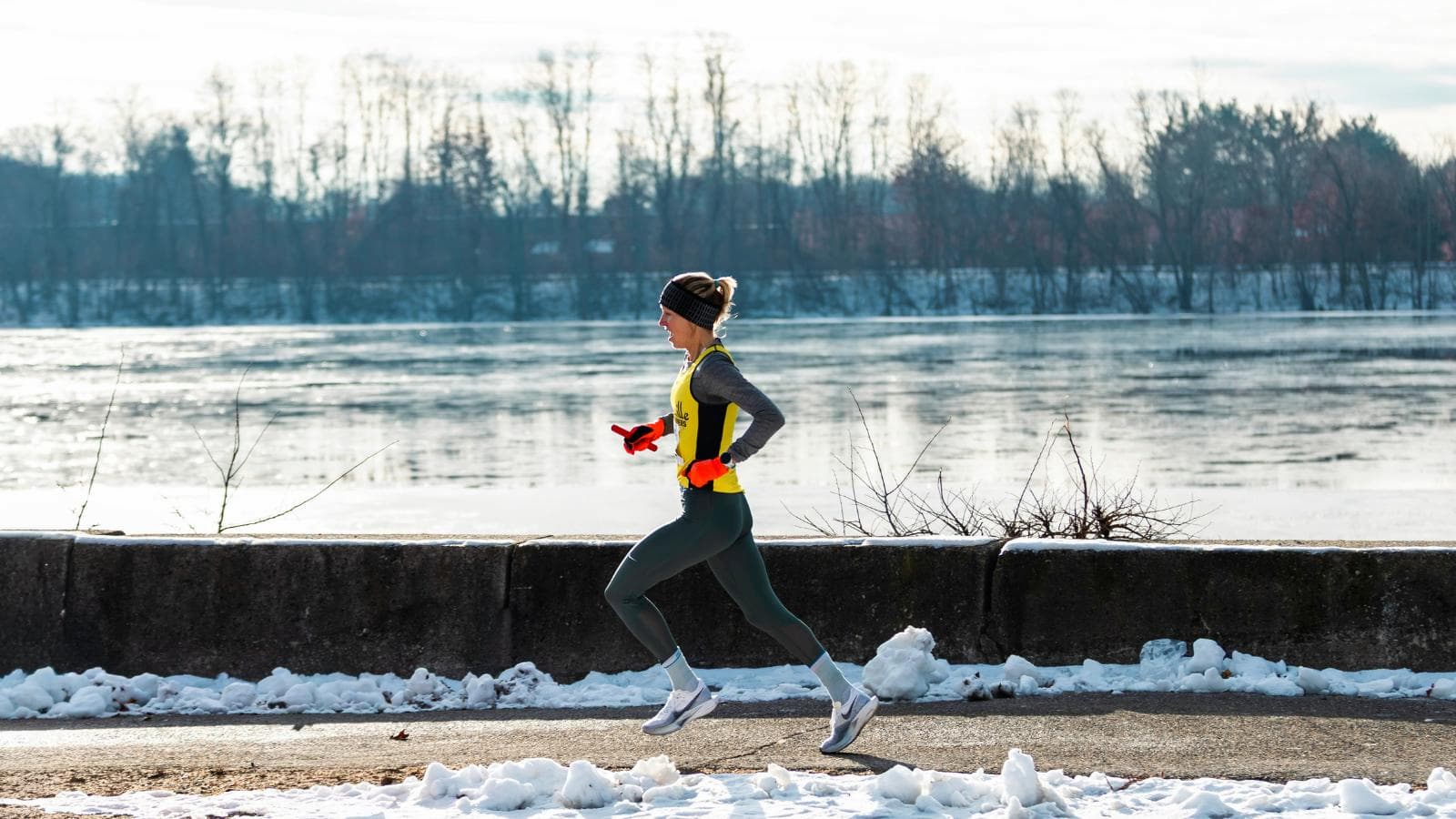
Winter races commonly involve:
- Low temperatures
- Wind chill
- Rain
- Snow
- Ice
- Reduced daylight
- Wet clothing
The body behaves differently in cold conditions. Muscles warm up more slowly, breathing may feel restricted initially, and footing becomes less predictable. The goal during winter racing is not fighting the weather. The goal is adjusting pacing, clothing, warm-up, and expectations intelligently. This becomes especially important during longer events discussed in how long does it take to train for a marathon, where cold exposure and pacing errors accumulate over several hours.
Cold Muscles Increase Injury Risk
One of the biggest winter race problems is poor muscle readiness.
Cold temperatures commonly cause:
- Muscle tightness
- Reduced mobility
- Slower reaction time
- Stiff joints
- Reduced coordination
Runners who start aggressively without warming up properly often increase:
- Calf strain risk
- Hamstring tightness
- Achilles irritation
- General muscular discomfort
Winter warm-ups usually need to be:
- Longer
- More gradual
- More dynamic
Athletes following running safely in cold weather principles often manage winter race preparation far more effectively.
Pacing Mistakes Become More Common
Cold weather changes perceived effort significantly.
Many runners:
- Start too fast
- Ignore wind conditions
- Chase unrealistic pace
- Misjudge breathing effort
Adrenaline combined with cooler temperatures often makes early pace feel deceptively easy.
However, excessive pacing early commonly leads to:
- Heavy fatigue
- Energy crashes
- Tight muscles
- Late-race slowdown
Controlled pacing becomes even more important in winter conditions.
Breathing Feels Harder in Cold Air
Cold dry air can irritate the airways and make breathing feel uncomfortable initially.
Runners often experience:
- Tight chest sensation
- Dry throat
- Increased coughing
- Difficult breathing rhythm
This becomes more noticeable during:
- Faster efforts
- Wind exposure
- Very cold races
Most athletes adapt gradually during the race, but aggressive early pacing often worsens breathing discomfort significantly.
Footing and Traction Become Unpredictable
Winter races frequently include:
- Wet roads
- Ice patches
- Snow
- Mud
- Slippery painted surfaces
Poor traction increases:
- Fall risk
- Energy waste
- Muscular tension
- Confidence problems
Runners often change mechanics subconsciously by:
- Shortening stride excessively
- Tensing the upper body
- Braking too aggressively
Controlled cadence and relaxed posture usually improve stability more effectively than forcing slower movement.
Overdressing Causes Overheating
Many runners dress for standing outside rather than racing effort.
This commonly leads to:
- Overheating
- Excess sweating
- Wet clothing
- Dehydration
- Discomfort later in the race
Winter racing clothing should allow the body to warm naturally during movement. Athletes improving through how to avoid common zone 2 running mistakes often understand effort management better and avoid overheating through pacing control.
Underdressing Creates Heat Loss Problems
The opposite problem also happens frequently.
Insufficient layering may cause:
- Numb hands
- Cold muscles
- Reduced coordination
- Excess energy expenditure
Important areas to protect include:
- Hands
- Ears
- Chest
- Feet
Wind chill often matters more than actual temperature because moving air accelerates heat loss rapidly.
Hydration Is Commonly Neglected
Many runners underestimate hydration needs during winter races because thirst feels reduced.
However, cold weather still increases:
- Respiratory fluid loss
- Sweat loss under layers
- Dehydration risk
Dehydration may contribute to:
- Elevated heart rate
- Reduced endurance
- Fatigue
- Recovery problems
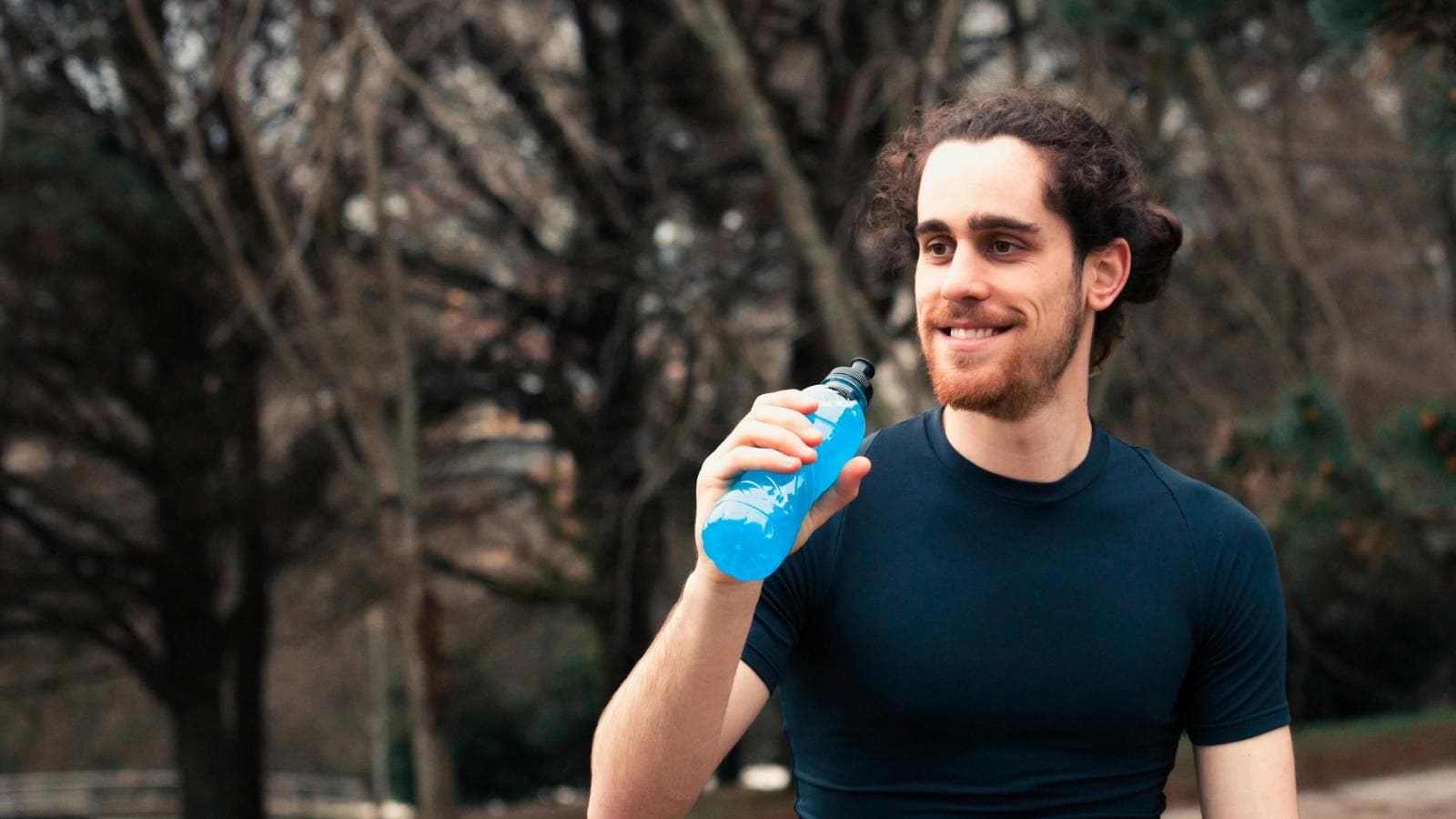
Athletes improving through training your gut for marathon and ultras usually manage hydration and fueling more consistently during difficult conditions.
Wind Can Destroy Pacing Strategy
Wind resistance increases energy cost significantly during winter races.
Strong headwinds commonly cause:
- Higher effort
- Elevated heart rate
- Faster fatigue
- Mental frustration
Runners who try maintaining unrealistic pace into heavy wind often burn excessive energy early. Effort-based pacing usually works far better than forcing exact splits during difficult conditions.
Wet Shoes Increase Discomfort
Rain, snow, and slush commonly soak shoes early during winter races.
Wet shoes may cause:
- Blisters
- Cold feet
- Reduced traction
- Discomfort
- Heavier stride feel
Many runners underestimate how much wet feet affect:
- Running economy
- Comfort
- Mental focus
Sock choice becomes extremely important during cold wet races.
Warm-Up Timing Becomes Difficult
Staying warm before the start line is often challenging.
Many athletes:
- Warm up too early
- Stand still too long afterward
- Lose muscle temperature before racing
Cold conditions usually require:
- Short dynamic warm-ups
- Controlled jogging
- Layer management before the start
Maintaining warmth without exhausting energy becomes a balancing act.
Energy Expenditure Increases in Cold Conditions
The body uses extra energy maintaining core temperature in cold weather.
This can increase:
- Glycogen use
- Fatigue accumulation
- Calorie demand
- Recovery requirements
Longer winter races may require more fueling awareness than athletes initially expect. Athletes improving through easy run vs tempo vs interval often understand energy management and pacing balance more effectively.
Recovery After Winter Races Takes Longer
Cold races often increase:
- Muscular tightness
- Inflammation
- Energy depletion
- Fatigue accumulation
Post-race recovery should focus on:
- Dry clothing
- Warm fluids
- Nutrition
- Sleep
- Mobility work
Athletes neglecting recovery commonly experience prolonged soreness and fatigue afterward.
Mental Fatigue Increases During Winter Racing
Cold uncomfortable conditions often increase:
- Stress
- Mental fatigue
- Frustration
- Negative thinking
Winter racing rewards athletes who remain:
- Patient
- Adaptable
- Calm
- Controlled
Mental resilience becomes especially important during:
- Wind exposure
- Poor footing
- Difficult weather changes
Athletes improving through why are you not getting faster in running despite training often recognise how stress and recovery balance affect overall performance.
Nutrition Errors Become More Common
Cold weather sometimes suppresses appetite and thirst awareness.
Runners may:
- Delay fueling
- Skip hydration
- Ignore carbohydrate intake
This often contributes to:
- Energy crashes
- Fatigue
- Reduced concentration
- Poor pacing
Longer winter races still require structured fueling regardless of temperature.
Sleep and Recovery Affect Winter Performance More
Winter training and racing often increase recovery demands because:
- Immune stress rises
- Sleep quality may decline
- Fatigue accumulates faster
Athletes improving through how much sleep do runners need to recover properly often tolerate winter training blocks more effectively because recovery quality improves consistency.
Common Winter Racing Mistakes
Many runners create avoidable problems through poor preparation.
Common mistakes include:
- Starting too fast
- Overdressing
- Ignoring hydration
- Skipping warm-ups
- Wearing incorrect footwear
- Neglecting recovery
- Fighting weather conditions emotionally
Successful winter racing usually depends more on smart adaptation than toughness alone.
Practical Ways to Handle Winter Running Races
Runners can improve winter race performance by:
- Warming up gradually
- Dressing in layers
- Protecting extremities
- Pacing conservatively early
- Staying hydrated
- Adjusting for wind and footing
- Practising winter conditions in training
- Prioritising post-race recovery
The best winter racers are usually the athletes who remain flexible, calm, and controlled in difficult conditions.
FAQs
Cold weather affects muscles, breathing, footing, pacing, and energy expenditure.
Yes. Cold muscles require more gradual preparation before racing.
Yes. Cold dry air may irritate the airways and make breathing feel harder initially.
Many athletes dress for standing outside instead of racing intensity.
Absolutely. Dehydration still occurs even when thirst feels reduced.
Strong wind increases energy demand and often disrupts pacing strategy.
Often yes. Cold exposure and muscle tightness can increase recovery demands.
Ice, rain, snow, and wet roads reduce traction and stability.