


Trail running places significant demands on the body. Long climbs, technical descents, changing terrain, and extended training hours require runners to maintain high levels of endurance and recovery. While most athletes focus on factors such as training plans, nutrition, and footwear, iron status is another critical component of performance that is often overlooked. Iron deficiency is one of the most common nutritional issues affecting endurance athletes. It can develop gradually and may initially go unnoticed, but even mild deficiencies can significantly impact training quality, recovery, and race-day performance.
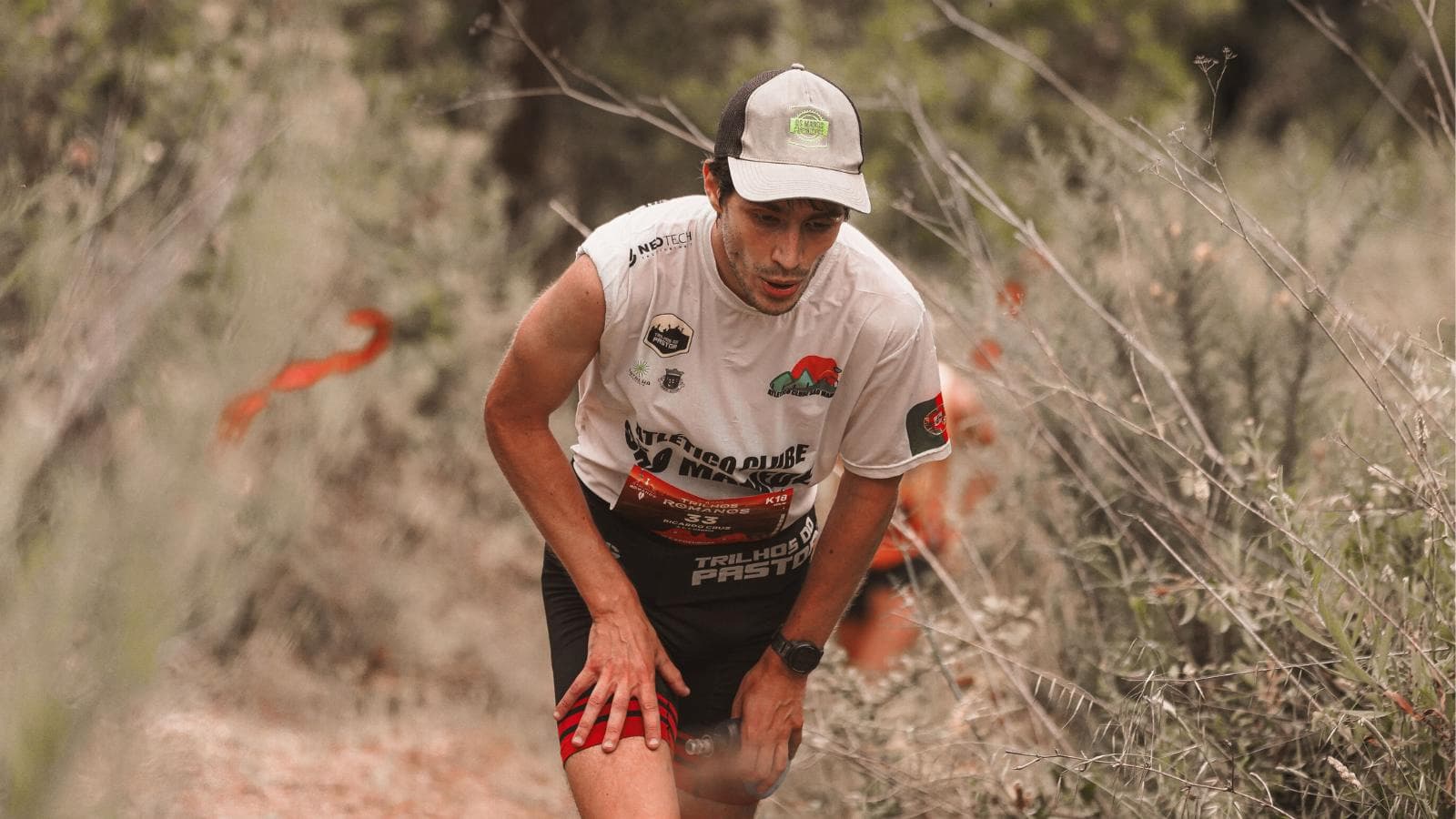
For trail runners, where races can last for several hours and often involve substantial elevation gain, maintaining healthy iron levels is particularly important. Understanding how iron deficiency affects performance can help runners identify problems early and support long-term health and endurance.
Why Is Iron Important for Runners?
Iron plays a crucial role in oxygen transport. It helps produce haemoglobin, the protein in red blood cells responsible for carrying oxygen from the lungs to working muscles. Without adequate iron, the body’s ability to deliver oxygen efficiently can decline.
This can affect:
- Endurance
- Energy production
- Recovery
- Exercise performance
Athletes who focus on how can runners improve longevity in ultrarunning often recognise that long-term performance depends not only on training but also on maintaining overall health.
Iron is a key part of that equation.
Reduced Oxygen Delivery
One of the most significant consequences of iron deficiency is impaired oxygen transport.
When oxygen delivery becomes less efficient, runners may notice:
- Earlier fatigue
- Reduced endurance
- Higher perceived effort
- Slower recovery between efforts
Even easy runs may begin to feel harder than usual. Athletes who understand how does road running help trail running performance often appreciate that aerobic fitness relies heavily on the body’s ability to transport and utilise oxygen effectively.
Iron supports that process.
Fatigue During Climbs
Trail races frequently involve sustained uphill running.
Climbing places substantial demands on:
- Cardiovascular fitness
- Muscular endurance
- Oxygen utilisation
Iron-deficient athletes often struggle more during ascents because their muscles may not receive oxygen as efficiently.
As a result, hills that once felt manageable can become noticeably more difficult.
Slower Recovery Between Workouts
Recovery is where adaptation occurs.
Iron deficiency can impair recovery by reducing the body’s ability to:
- Deliver oxygen
- Support tissue repair
- Restore energy levels
Athletes who follow how to recover faster after a marathon often understand that recovery quality influences future performance just as much as training itself.
Persistent fatigue between sessions may sometimes indicate more than simple overtraining.
Declining Running Performance
One of the earliest signs of iron deficiency is often an unexplained decline in performance.
Runners may notice:
- Slower paces
- Reduced endurance
- Difficulty completing workouts
- Higher heart rates at familiar efforts
Athletes who monitor progress through how to become efficient runner may identify these changes because previously manageable training loads suddenly become much more challenging.
Performance declines should not always be dismissed as a lack of motivation.
Increased Perceived Effort
Iron deficiency often causes athletes to feel like they are working harder than normal. Even moderate runs may feel unusually demanding.
This can create frustration because:
- Fitness appears unchanged
- Training plans remain the same
- Results begin to decline
Athletes who understand why your marathon workouts should be smart but not hard often recognise that effort perception provides valuable feedback about overall readiness and health.
The body frequently signals problems before performance data reveals them.
Difficulty Maintaining Training Volume
Consistent training is one of the most important factors in trail-running development. Iron deficiency can make maintaining training volume difficult because fatigue accumulates more rapidly.
Athletes may struggle to:
- Complete long runs
- Recover between sessions
- Maintain weekly mileage
Those who understand what are the warning signs of overtraining for a marathon often notice that symptoms of iron deficiency can sometimes resemble excessive training fatigue.
This is why proper assessment is important.
Reduced Adaptation to Training
The purpose of training is adaptation.
When iron levels are inadequate, athletes may find that:
- Fitness gains slow
- Workouts feel harder
- Recovery takes longer
Even a well-designed training plan may produce disappointing results if underlying nutritional needs are not being met.
Athletes who focus on why you should stop in the middle of the run often realise that performance improvements require both training stimulus and physiological readiness.
Mental Fatigue and Reduced Focus
Iron deficiency does not only affect physical performance.
Some athletes experience:
- Reduced concentration
- Mental fatigue
- Poor motivation
- Difficulty focusing
Trail running often requires constant attention to:
- Terrain
- Foot placement
- Navigation
Reduced mental sharpness may affect both performance and enjoyment. Athletes who understand how does posture affect running performance often appreciate that physical and mental factors frequently influence movement quality together.
Higher Risk for Certain Athletes
Some runners face greater risk of iron deficiency than others.
Potential risk factors include:
- High training volume
- Inadequate dietary intake
- Frequent racing
- Vegetarian or vegan diets
- History of low iron levels
Trail runners covering large weekly distances may be particularly vulnerable due to increased physiological demands.
Iron Deficiency Can Mimic Overtraining
Many symptoms overlap with overtraining, including:
- Fatigue
- Reduced performance
- Poor recovery
- Lack of motivation
Athletes who explore what is a walk-run progression and how does it work often learn the importance of matching training load to current readiness.
When fatigue persists despite adequate recovery, nutritional factors should also be considered.
Long-Distance Events Can Expose the Problem
The longer the race, the more important oxygen delivery becomes.
Iron deficiency may become particularly noticeable during:
- Ultramarathons
- Mountain races
- Long trail events
Athletes may find themselves struggling disproportionately during prolonged efforts.
The issue often becomes more obvious as race duration increases.
Nutrition Plays a Major Role
Supporting healthy iron levels begins with nutrition.
Iron-rich foods may include:
- Red meat
- Poultry
- Seafood
- Legumes
- Fortified cereals
- Leafy green vegetables
Athletes who understand should you fast before a trail run often appreciate that nutritional choices can influence performance far beyond individual workouts.
Daily habits matter.
Don’t Self-Diagnose
Fatigue alone does not automatically indicate iron deficiency.
Many factors can contribute to:
- Poor performance
- Low energy
- Reduced recovery
Athletes experiencing persistent symptoms should seek appropriate medical assessment.
Accurate testing is the best way to determine whether iron status is contributing to performance issues.
Common Signs of Iron Deficiency in Trail Runners
Potential symptoms include:
- Persistent fatigue
- Reduced endurance
- Slower recovery
- Elevated perceived effort
- Poor workout quality
- Difficulty maintaining pace
- Reduced motivation
- Declining race performance
These signs should not be ignored, particularly when they persist over time.
How Trail Runners Can Protect Iron Status
Runners can support healthy iron levels by:
- Eating a balanced diet
- Monitoring persistent fatigue
- Prioritising recovery
- Seeking testing when appropriate
- Addressing nutritional deficiencies early
- Avoiding excessive training loads
- Paying attention to performance trends
- Working with qualified professionals when needed
Healthy iron levels help support the oxygen-delivery system that underpins endurance performance. For trail runners, maintaining that system is essential for climbing efficiently, recovering effectively, and performing consistently across all types of terrain.
FAQs
Iron helps transport oxygen to working muscles and supports endurance performance.
Yes. It can reduce endurance, increase fatigue, and impair recovery.
Reduced oxygen delivery may make climbing efforts feel more demanding.
Absolutely. Recovery may be compromised when oxygen transport is impaired.
Fatigue, poor performance, reduced endurance, and increased perceived effort are common signs.
Yes. Many symptoms overlap significantly.
No. Supplementation should only occur under appropriate medical guidance.
Trail races place significant demands on the body’s oxygen-delivery system, making adequate iron essential for performance and recovery.