When runners think about improving their form, they often focus on:
- Foot strike
- Cadence
- Posture
- Stride length
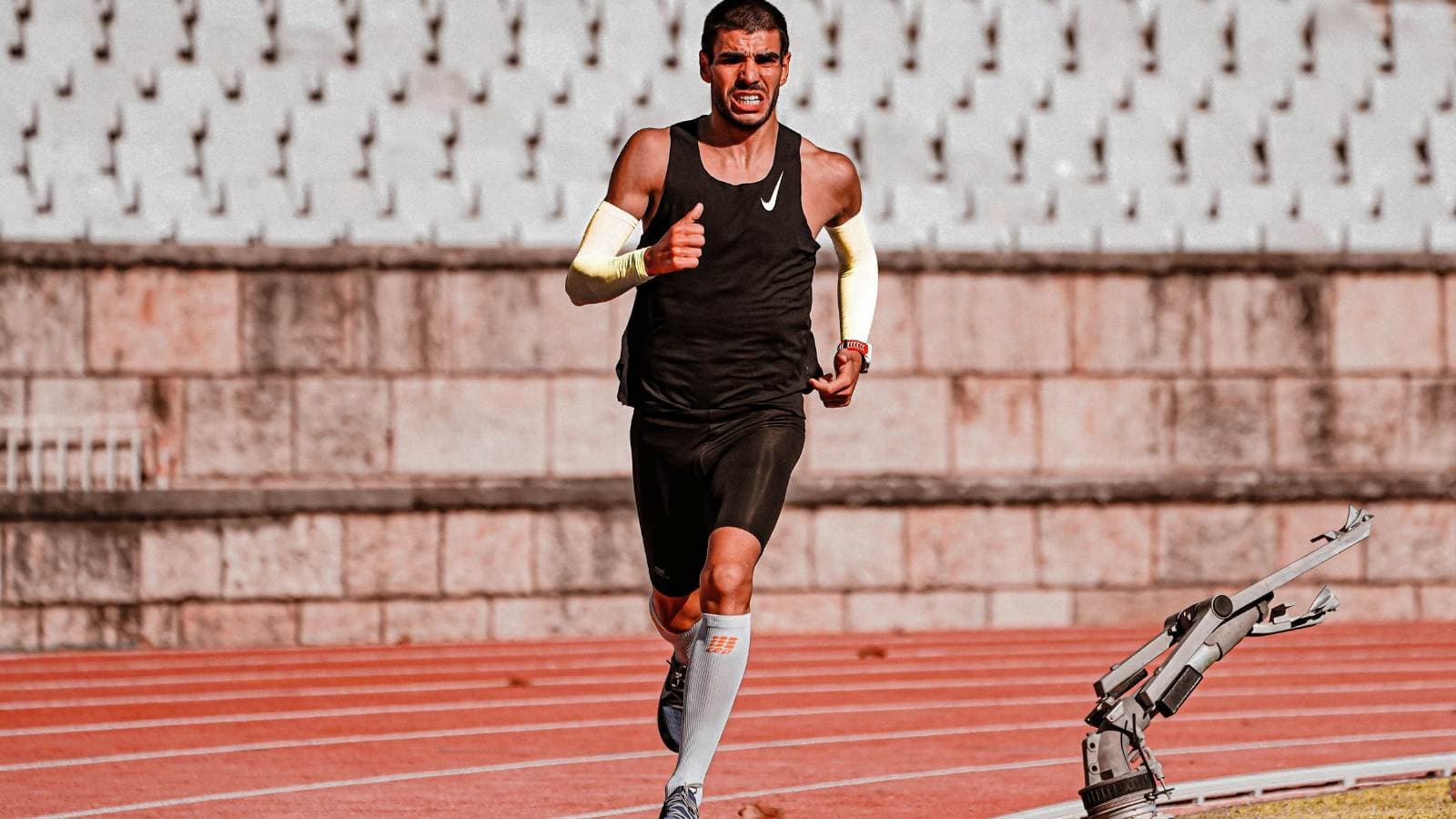
However, one of the most overlooked aspects of running technique is arm swing. The arms may not propel a runner forward directly, but they play a critical role in maintaining balance, rhythm, efficiency, and overall running mechanics. In fact, inefficient arm movement can negatively affect the entire kinetic chain, leading to wasted energy and reduced performance. Whether you’re training for a 5K, marathon, trail race, or ultramarathon, understanding how arm swings influence running form can help you become a more efficient and comfortable runner.
Arm Swings Help Maintain Balance
Running is essentially a controlled series of single-leg movements.
With every stride:
- One foot leaves the ground
- The body’s centre of mass shifts
- Balance must be maintained
The arms naturally counterbalance the movement of the legs. As the right leg moves forward, the left arm moves forward, and vice versa. Athletes who understand how does posture affect running performance often discover that balance and posture work together to create efficient movement.
Without proper arm action, maintaining stability becomes more difficult.
They Improve Running Rhythm
One of the biggest functions of arm swing is helping runners establish a consistent rhythm. The arms and legs work together as a coordinated system.
A smooth arm swing often helps:
- Maintain cadence
- Support pacing
- Improve coordination
Athletes who understand how does running cadence affect stress fracture risk often recognise that arm movement can directly influence stride rhythm.
When the arms move efficiently, the legs often follow.
Arm Swings Reduce Rotational Movement
Without effective arm action, the torso may rotate excessively during running.
This unnecessary motion can:
- Waste energy
- Reduce efficiency
- Increase fatigue
The arms help stabilise the upper body and minimise excessive twisting. Athletes who focus on how to become an efficient runner often learn that reducing unnecessary movement is one of the easiest ways to conserve energy over long distances.
Every unnecessary movement has an energy cost.
Efficient Arm Movement Supports Forward Motion
The primary purpose of arm swing is not generating speed. Instead, it helps direct movement efficiently.
Good arm action:
- Encourages forward momentum
- Maintains body alignment
- Supports smooth mechanics
The goal is controlled movement rather than exaggerated motion. Efficient runners typically have relaxed and purposeful arm swings.
Arm Swings Help During Fatigue
As runners become tired, form often begins to deteriorate.
Common signs include:
- Slouched posture
- Reduced cadence
- Excessive upper-body tension
Strong arm mechanics can help maintain running rhythm when fatigue develops. Athletes who understand why your marathon workouts should be smart but not hard often appreciate that maintaining form under fatigue is one of the keys to endurance performance.
Good habits become particularly important late in races.
They Assist With Climbing
Uphill running increases the importance of arm action.
During climbs, the arms can help:
- Maintain momentum
- Improve rhythm
- Support power production
Trail runners often use slightly more active arm swings during steep ascents. Athletes who understand why stopping in the middle of your run is important frequently notice how arm drive naturally increases during challenging climbs.
The steeper the hill, the more important coordination becomes.
Proper Arm Swing Encourages Relaxation
Many runners carry unnecessary tension in their:
- Shoulders
- Neck
- Hands
This tension can spread throughout the body and reduce efficiency.
A relaxed arm swing promotes:
- Smoother movement
- Better breathing
- Reduced muscular tension
Athletes who understand how to avoid running injuries with increase in mileage often discover that relaxation helps the body settle into an efficient rhythm more quickly.
Running should feel controlled, not rigid.
Arm Swings Can Improve Sprinting Efficiency
Although arm swings are important at all paces, their influence becomes particularly noticeable during faster running.
During:
- Intervals
- Finishing kicks
- Sprint efforts
the arms often move more forcefully to support increased leg turnover. Athletes who follow how can morning workouts improve marathon performance often incorporate faster training sessions where efficient arm action becomes especially valuable.
Speed and coordination are closely linked.
Crossing the Arms Can Create Problems
One common running mistake is excessive arm movement across the body.
When the hands repeatedly cross the centre line:
- The torso may rotate excessively
- Energy can be wasted
- Running efficiency may decline
Ideally, the arms should swing:
- Forward
- Backward
- Close to the body
rather than side to side.
Small adjustments can improve overall movement quality.
Arm Swings Help Trail Runners Stay Stable
Trail running presents unique challenges because terrain is constantly changing.
The arms often assist with:
- Balance
- Stability
- Quick adjustments
Athletes who understand how to transition from road running to trail running quickly learn that arm movement becomes increasingly important on technical terrain.
The trails demand more from the entire body.
Good Arm Mechanics Support Breathing
Efficient upper-body posture often improves breathing mechanics.
Relaxed shoulders and smooth arm swings help maintain:
- Chest position
- Rib movement
- Breathing efficiency
Athletes who focus on how can runners improve longevity in ultrarunning often recognise that efficient breathing and movement become increasingly important as distances increase.
Small inefficiencies add up over time.
Arm Swing Can Influence Pace
Many runners notice that increasing arm turnover naturally increases leg turnover.
This relationship can be useful during:
- Race surges
- Hill climbs
- Finishing efforts
The arms often act as a metronome for the entire running system.
Changing arm rhythm can sometimes help adjust pace without consciously focusing on the legs.
Common Arm Swing Mistakes
Many runners develop habits such as:
- Clenching fists
- Shrugging shoulders
- Crossing the arms excessively
- Holding excessive tension
- Swinging arms too high
- Keeping arms too rigid
- Allowing elbows to flare outward
- Ignoring upper-body posture
Fortunately, most of these issues can be corrected through awareness and practice.
How to Improve Arm Swing?
Runners can improve arm mechanics by:
- Relaxing the shoulders
- Keeping elbows bent naturally
- Swinging arms forward and backward
- Avoiding excessive crossing
- Maintaining good posture
- Practising running drills
- Building upper-body awareness
- Staying relaxed during hard efforts
The goal is not creating a dramatic arm swing. The goal is allowing the arms to support efficient running mechanics naturally.
Why Arm Swings Matter?
Although runners often focus on the legs, the arms play a major role in:
- Balance
- Rhythm
- Efficiency
- Stability
- Coordination
- Fatigue management
- Climbing performance
- Overall running form
The best arm swing is usually one that feels natural, relaxed, and coordinated with the rest of the body.
FAQs
Yes. They assist with balance, rhythm, coordination, and running efficiency.
A small amount of movement is normal, but excessive crossing may reduce efficiency.
Keep them relaxed rather than tightly clenched.
Excess tension and poor posture are common causes.
Absolutely. They help maintain balance on uneven terrain.
Yes. Improved efficiency can help conserve energy over longer distances.
Many runners naturally use slightly stronger arm drive during climbs.
A comfortable bend of roughly 70–90 degrees works well for many runners.