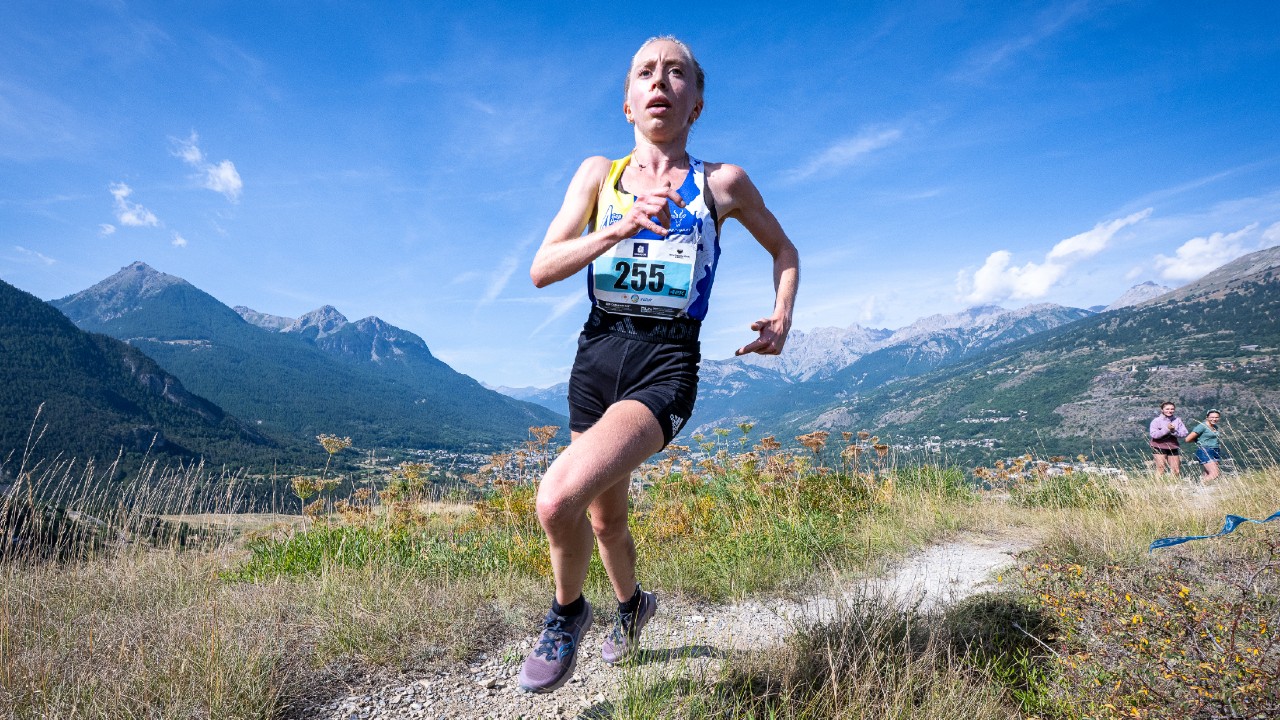


The long-distance competition in the 2026 WMRA Mountain Running World Cup reaches its final stop in Poland on Saturday as Rollercoaster 21 brings the category season to a conclusion.
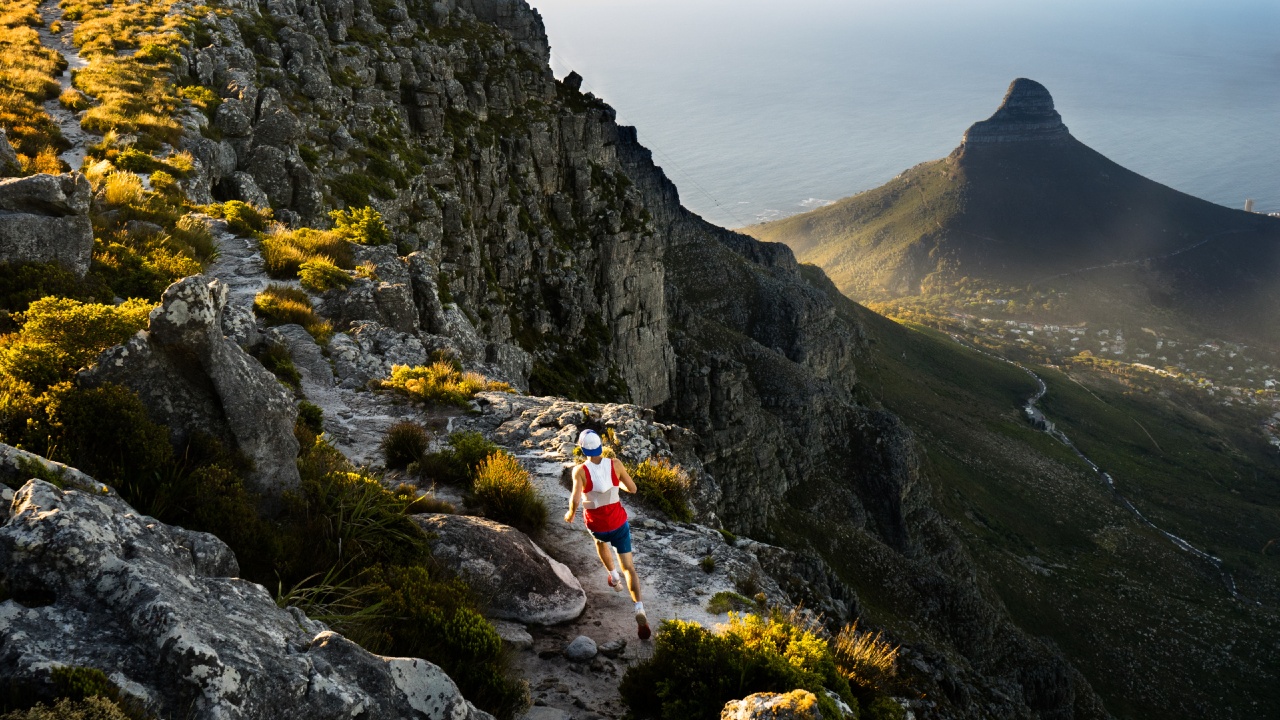
Race 14 of this year’s World Cup forms part of the Three Lakes Marathon festival and takes the athletes into the western Beskid Mały mountains, where a 21.6km route featuring 1,511m of ascent and 1,543m of descent awaits.
The race begins at 10:00 local time in Międzybrodzie Bialskie before finishing at Porąbka stadium, with the constant succession of steep climbs and technical descents set to test far more than outright speed.
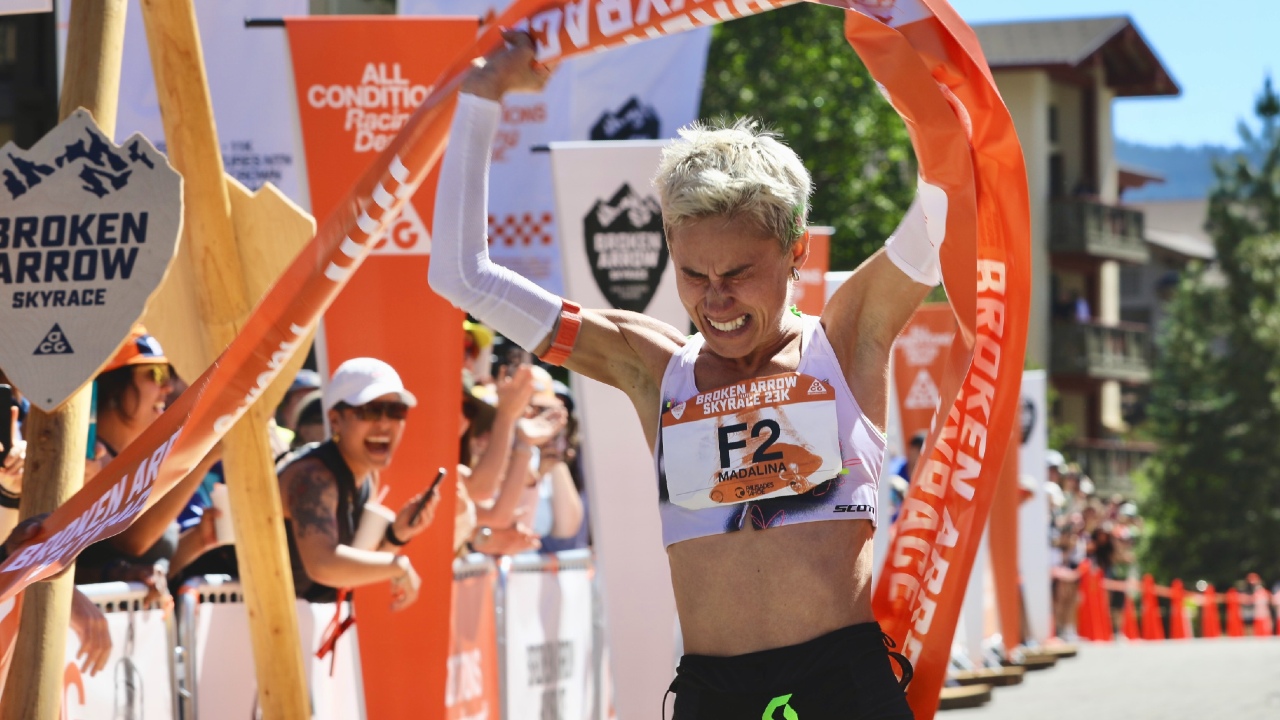
It is the fifth and final long-distance race of a World Cup season which has already visited the Transvulcania Half Marathon, Broken Arrow, Sierre-Zinal and Trofeo Nasego.
Although Poland will determine the remaining positions in the category standings, both long-distance champions have already been confirmed.
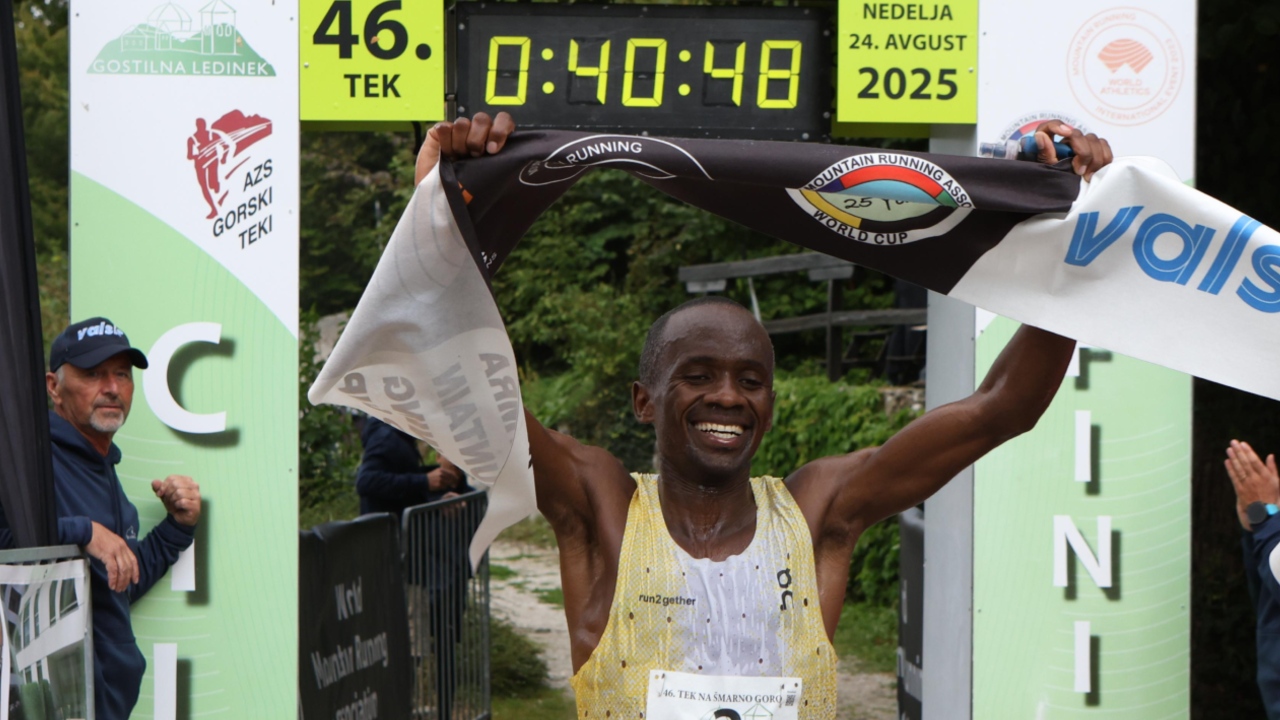
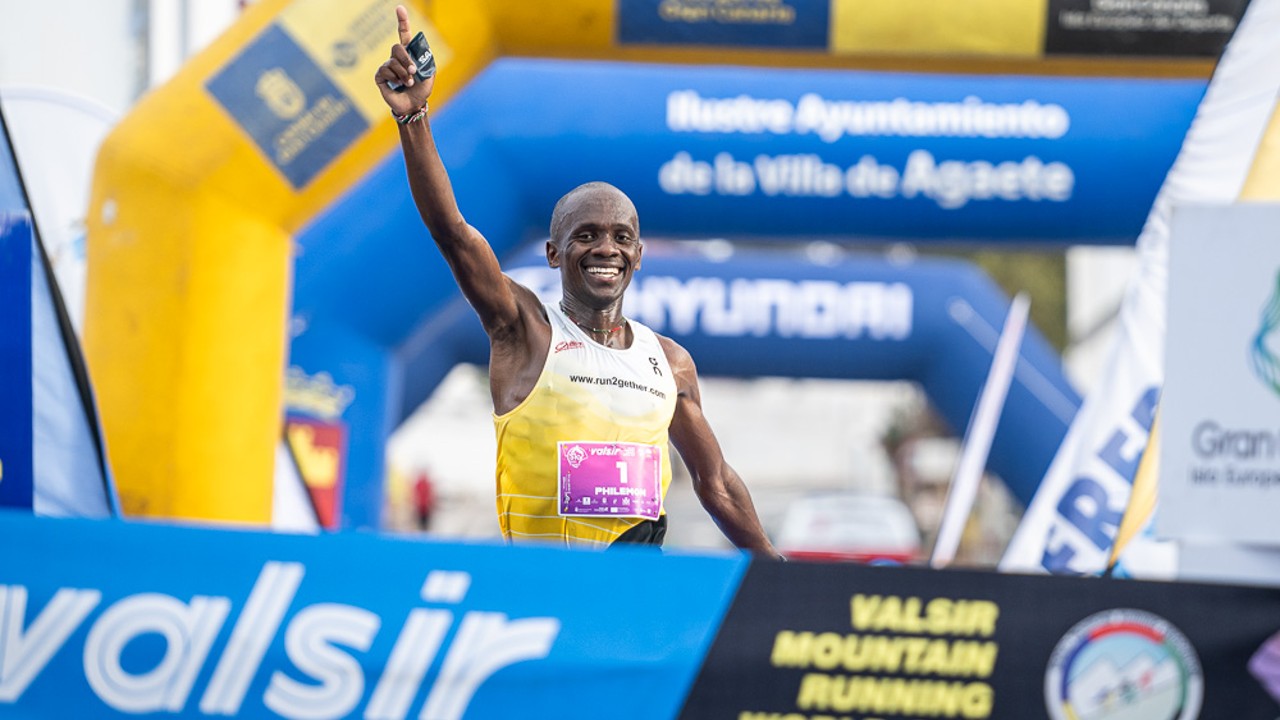
Philemon Kiriago has secured the men’s crown following four victories from four appearances, while fellow Kenyan Ruth Gitonga cannot be caught at the top of the women’s standings by any of the athletes racing in Poland.
Poland will close the long-distance competition, but not the World Cup as a whole. The season concludes in Canada in October with the uphill and classic up-and-down finals, when the remaining category and overall positions will be decided.
Why Rollercoaster 21 lives up to its name
There will be little opportunity for the field to settle, with the opening three kilometres gaining more than 500m as the runners climb towards Czupel.
A testing descent towards Czernichów follows before the route crosses the Soła River by suspension bridge and rises once more in the direction of Mount Żar.
That ascent may provide one of the decisive moments of the race. Around 250m of elevation is packed into a single kilometre beside the ski lift, but even reaching the summit will not bring an end to the repeated changes of rhythm.
The athletes then descend towards Kozubnik before one final short climb interrupts the run into Porąbka and the finish at the stadium.
The relentless profile could punish anyone who attacks the opening ascent too aggressively. The ability to descend efficiently, recover quickly and repeatedly switch back into climbing mode is likely to prove crucial as the race develops.
Women’s long-distance standings
Only an athlete’s best three results count towards the final long-distance classification. The standings below therefore show counting points rather than the cumulative totals.
| Position | Athlete | Nationality | Points (from best 3 races) |
|---|---|---|---|
| 1 | Ruth Gitonga | KEN | 124 |
| 2 | Joyce Njeru | KEN | 104 |
| 3 | Madalina Florea | ROU | 100 |
| 4 | Kirsty Skye Dickson | GBR | 68 |
| 5 | Nienke Brinkman | NED | 58 |
| 6 | Miriam Chepkirui | KEN | 56 |
| 7 | Anna Gibson | USA | 52 |
| 8 | Benedetta Broggi | ITA | 45 |
| 9 | Arianna Dentis | ITA | 44 |
| 10 | Caroline Kimutai | KEN | 42 |
Gitonga leads the women’s classification with 124 points after victories at Transvulcania and Trofeo Nasego and sixth place at Sierre-Zinal.
Joyce Njeru and Madalina Florea remained mathematically capable of overtaking her heading into the final race, but neither will compete in Poland. That means Gitonga has secured the title without needing to add to her existing total.
Women’s contenders
Arianna Dentis (ITA) is the highest-placed Rollercoaster 21 entrant in the women’s long-distance standings.
The Italian occupies ninth place on 44 points after finishing fourth at both Broken Arrow and Trofeo Nasego. Poland gives her another opportunity to claim her first World Cup podium of the season and potentially climb several places in the final category classification.
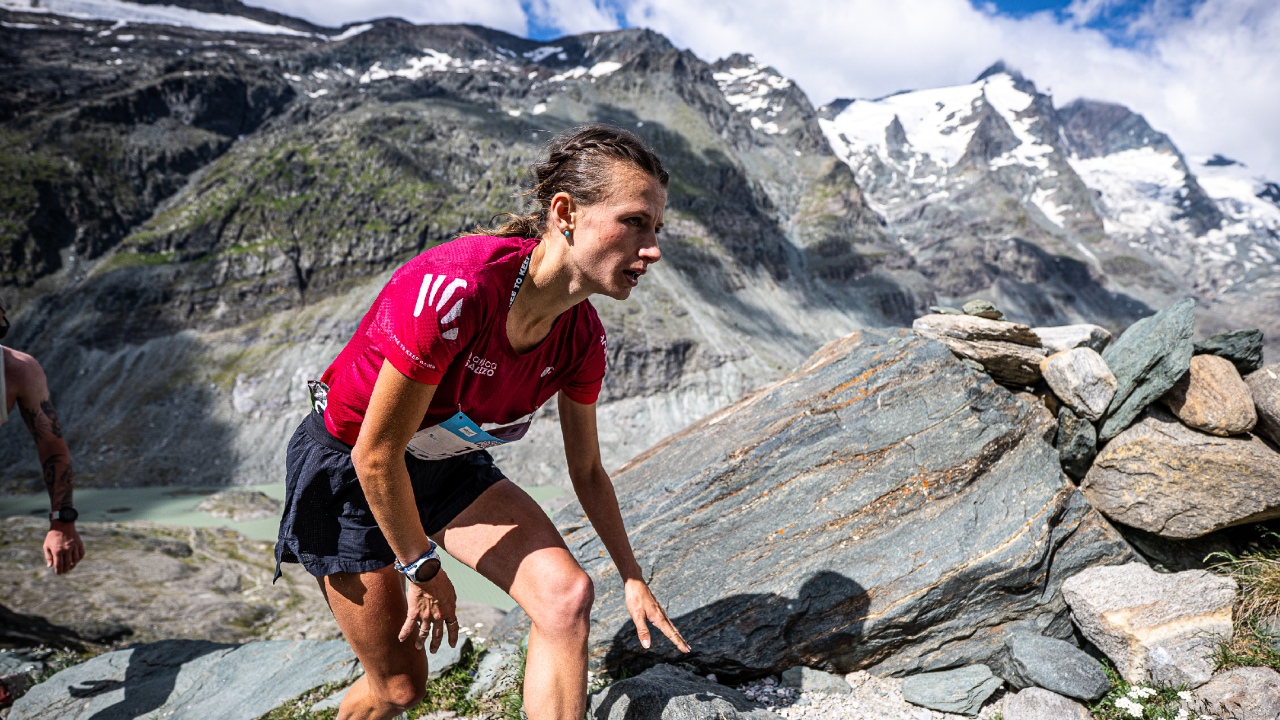
Dentis also sits seventh in the overall World Cup with 126 points. Victory in Poland would lift her to 176 and strengthen her position before the final two races in Canada.
Sara Willhoit (GBR) returns to the long-distance competition after scoring 26 points at the Transvulcania Half Marathon. The Briton is 18th in the category and 13th overall on 99 points, giving her plenty to gain from a strong performance.
Natalie Beadle (GBR) is another potential race-podium contender, while Selina Burch (SUI), Ingrid Mutter (ROU) and Eden O’Dea (GBR) add further World Cup experience to the field.
Dentis, Willhoit, Burch, Mutter and O’Dea all sit inside the top 30 in the overall standings, giving the race significance beyond the concluding long-distance classification.
Home runner Urszula Paprocka (POL) will meanwhile have the opportunity to test herself against international opposition on Polish trails.
Men’s long-distance standings
| Position | Athlete | Nationality | Points (from best 3 races) |
|---|---|---|---|
| 1 | Philemon Kiriago | KEN | 150 |
| 2 | Patrick Kipngeno | KEN | 120 |
| 3 | Michael Saoli | KEN | 72 |
| 4 | Martin Nilsson | SWE | 56 |
| 5 | Richard Atuya | KEN | 56 |
| 6 | Paul Machoka | KEN | 53 |
| 7 | Brayan Rodríguez Flores | MEX | 50 |
| 8 | Anthony Felber | FRA | 46 |
| 9 | Christian Allen | USA | 44 |
| 10 | Elhousine Elazzaoui | MAR | 42 |
Kiriago’s perfect long-distance campaign means the men’s title is already beyond the reach of his rivals.
Only the best three category results count, giving Kiriago the maximum possible championship total of 150 points following his victories at Transvulcania, Broken Arrow, Sierre-Zinal and Trofeo Nasego.
Patrick Kipngeno is assured of at least second place with 120 points, but the final position on the category podium remains available.
Men’s contenders
Martin Nilsson (SWE) has the clearest long-distance objective among the leading men racing in Poland.
The Swede sits fourth in the category on 56 points, 16 behind third-placed Michael Saoli (KEN). Because Saoli has already recorded three counting results, a top-three finish at Rollercoaster 21 would guarantee that Nilsson moves ahead of him.
Nilsson could also make substantial progress from his current ninth place in the overall World Cup. He has accumulated 131 points and victory would lift him to 181, potentially moving him into the top six before the final rounds in Canada.
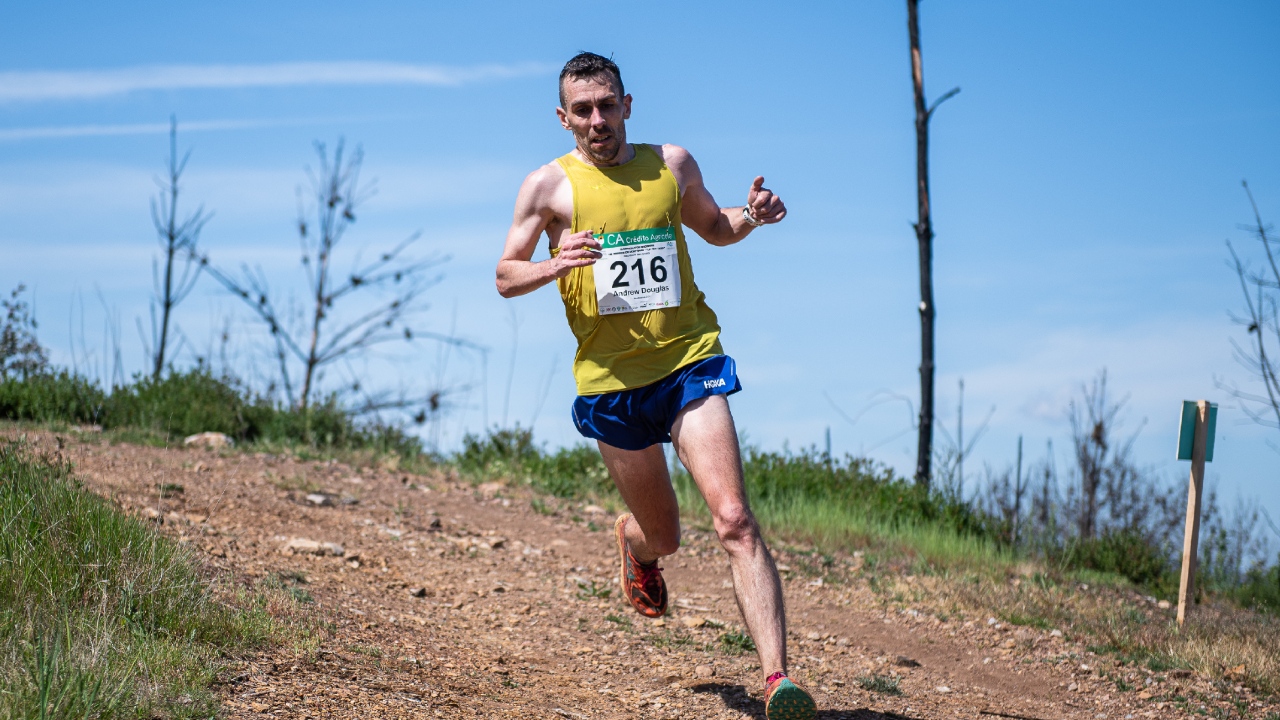
Andrew Douglas (GBR) and Luca Merli (ITA) arrive with their attention focused primarily on that wider competition.
Douglas is 10th overall with 120 points, while Merli is 11th on 104. A victory would take Douglas to 170 and Merli to 154, giving either athlete a significant boost ahead of the final weekend.
Marc Bernades Ollé (ESP), Polish athlete Karol Matyssek (POL) and Finlay Grant (GBR) are also among those expected to challenge towards the front.
Gyorgy Szabolcs Istvan (ROU) and Oscar Subuh-Symons (GBR) occupy 22nd and 23rd respectively in the overall standings, while Paul Knight (USA) returns to the long-distance competition after scoring at Broken Arrow.