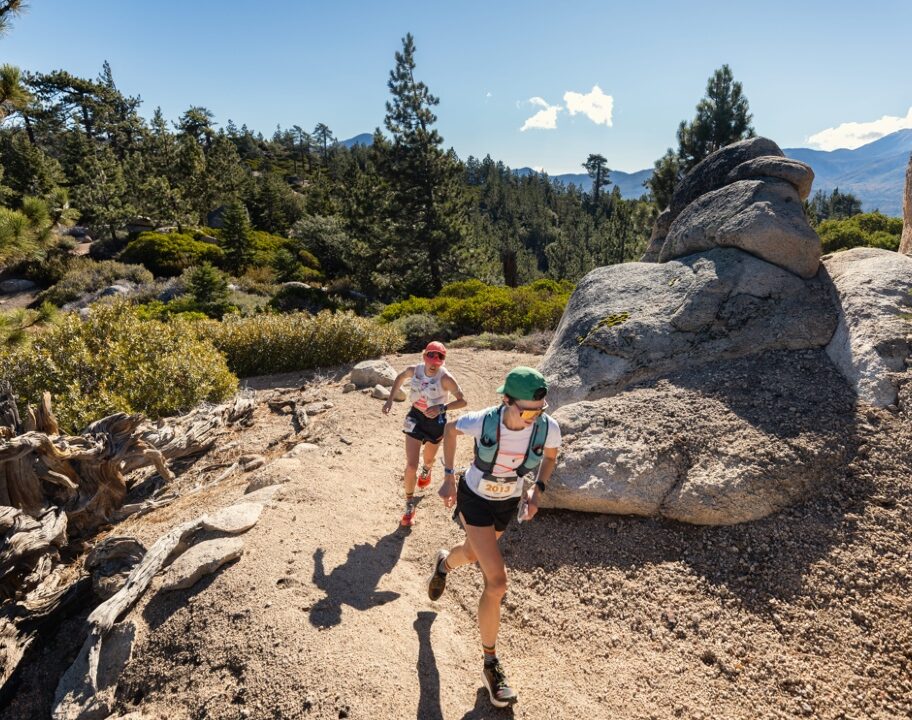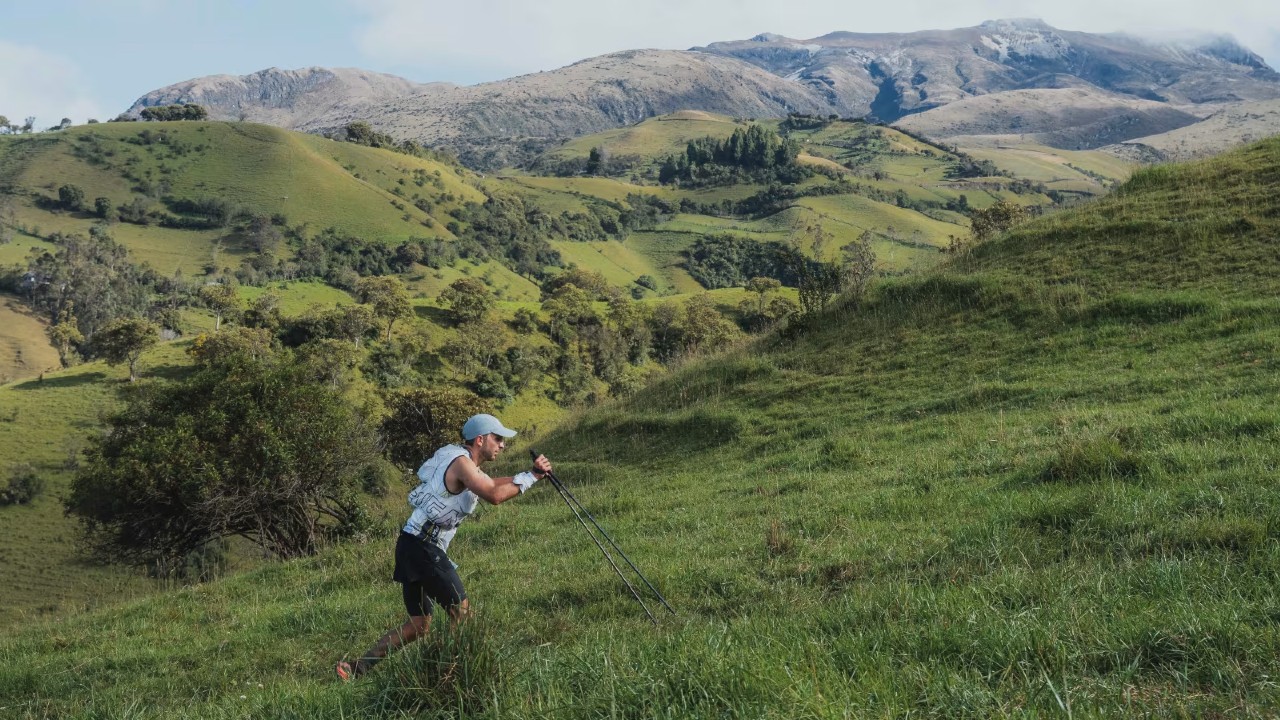



The best workout to prepare for a trail run is a controlled run on varied terrain that includes uphill climbing, downhill running, and steady aerobic effort. This combination develops the endurance, strength, balance, and movement skills needed to handle uneven trails safely and efficiently. Unlike road running, trail running requires constant adjustments to changing surfaces and elevation. Rocks, roots, loose gravel, steep climbs, and technical descents challenge your legs and coordination differently from running on flat pavement. A workout that includes these conditions provides more specific preparation than simply running faster on the road. However, the most effective workout depends on your experience and the trail you plan to run.
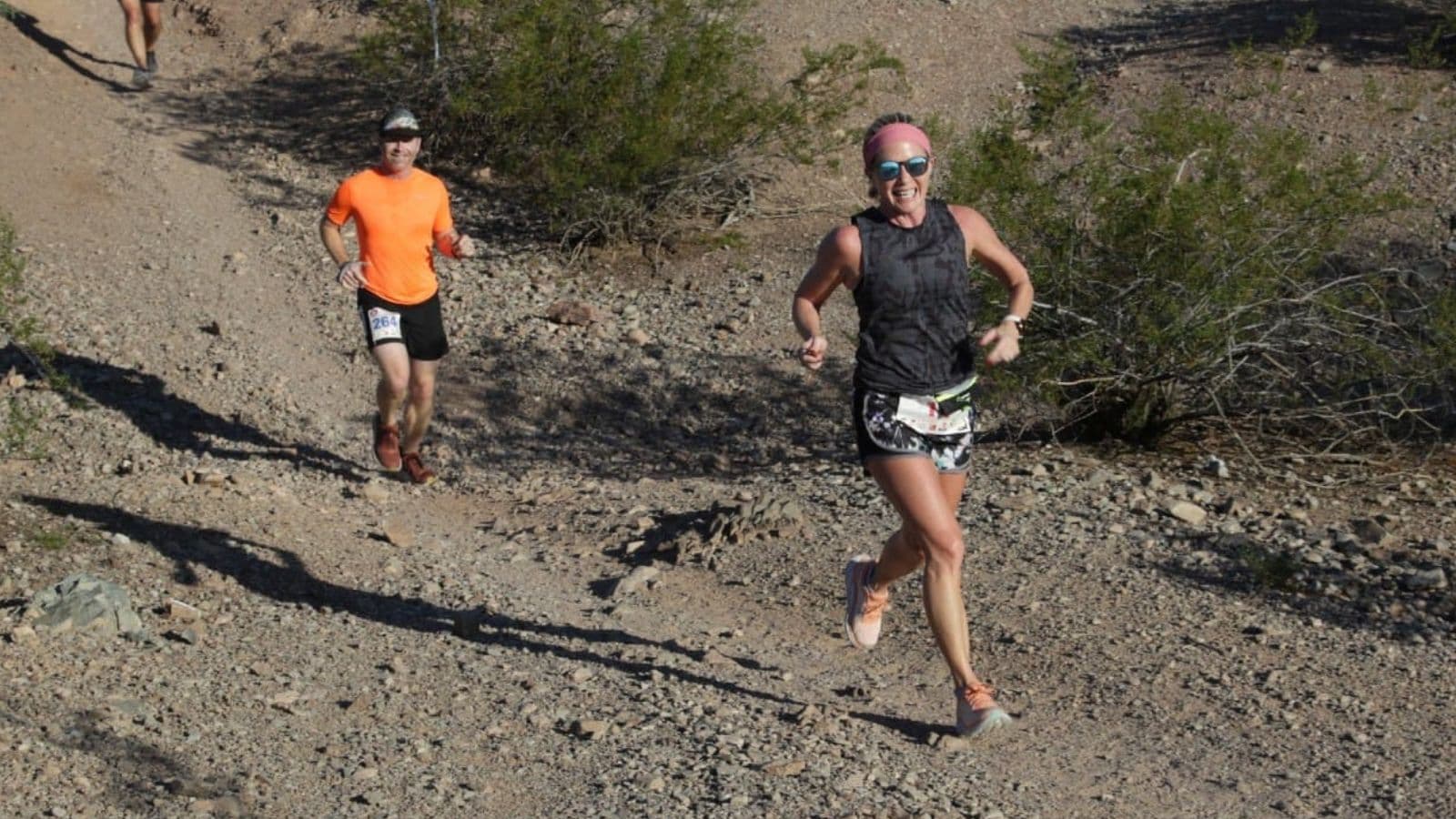
Beginners benefit from easy efforts on manageable terrain, while experienced runners preparing for mountainous races may need longer climbs, technical descents, and more sustained endurance work. You do not need to complete an exhausting hill session to become a better trail runner. Regular exposure to appropriate terrain, combined with gradual progression and adequate recovery, helps your body adapt while improving confidence and movement efficiency.
In Short
- Trail specific running provides the best preparation.
- Include manageable climbs and descents.
- Keep most training at an easy effort.
- Build endurance before increasing intensity.
- Practice balance on uneven ground.
- Use hiking on steep climbs.
- Develop controlled downhill technique.
- Add strength training.
- Progress elevation and duration gradually.
- Match workouts to your target trail.
The Best Trail Running Preparation Workout
For most beginners, a 40 to 60 minute easy trail run with gentle climbs and controlled descents is a practical starting point.
The session should develop several abilities without creating excessive fatigue.
Example 50 Minute Trail Workout
| Workout section | Duration | Purpose |
|---|---|---|
| Easy warm up | 10 minutes | Prepare muscles and joints |
| Rolling trail running | 15 minutes | Develop aerobic endurance |
| Gentle hill repeats | 10 minutes | Practice climbing |
| Controlled downhill running | 10 minutes | Improve balance and control |
| Easy cool down | 5 minutes | Finish at a relaxed effort |
The hill section can include short uphill efforts with walking recovery. Choose safe descents and avoid technical terrain beyond your current ability. Beginners preparing for their first event can also use how to prepare for your first trail 10k race to match workout difficulty to their race distance.
Why Trail Specific Running Works Best?
Trail running develops skills that flat road workouts cannot fully reproduce.
Your body must constantly respond to changes in:
- Foot placement.
- Ground stability.
- Elevation.
- Stride length.
- Balance.
- Running rhythm.
Practicing these adjustments improves familiarity with the demands of trails. However, you do not need the most technical route available.
Start with predictable surfaces before progressing toward more challenging terrain.
Hill Repeats Build Climbing Ability
Uphill running increases the muscular and cardiovascular demands of a workout.
Short hill repetitions can develop:
- Climbing strength.
- Aerobic fitness.
- Running power.
- Pacing awareness.
- Confidence on inclines.
A beginner session might include four to six controlled uphill repetitions lasting 30 to 60 seconds, with walking recovery. Keep the effort manageable rather than sprinting. For steeper terrain, understanding should you run or walk steep hills in trail running can help you choose the most efficient approach.
Downhill Practice Improves Control
Descending requires different skills from climbing. Your quadriceps help control the body as you move downhill, while your feet and ankles constantly respond to the surface.
Practice:
- Looking ahead.
- Taking controlled steps.
- Maintaining balance.
- Adjusting stride length.
- Choosing safe foot placements.
Start on gentle descents. Avoid forcing speed before you can maintain control. The techniques in how can trail runners run downhill faster without losing control can help you develop downhill confidence progressively.
Build Aerobic Endurance With Easy Runs
A trail workout should not become a race against every hill. Easy running helps you develop the endurance required to maintain effort over changing terrain.
Useful benefits include:
- Improved aerobic capacity.
- Greater fatigue resistance.
- More consistent training.
- Better recovery between harder sessions.
Trail pace naturally changes with elevation and surface conditions. Understanding why is slow running important for trail running helps explain why controlled effort is usually more useful than maintaining a fixed pace on uneven terrain.
Strength Training Supports Trail Preparation
Running on trails places repeated demands on the lower body. Strength training can help improve your ability to produce and control force.
Useful exercises include:
- Step ups.
- Squats.
- Split squats.
- Calf raises.
- Single leg deadlifts.
- Side planks.
Start with manageable resistance and controlled technique. Strength work should support trail running rather than leave your legs excessively sore before important sessions.
Balance and Stability Matter
Trail running requires constant small adjustments in body position. Improving balance can help you respond more confidently when the ground changes beneath your feet.
Simple exercises include:
- Single leg standing.
- Controlled step downs.
- Single leg reaches.
- Lateral stepping.
- Slow balance movements.
Practice on stable ground before introducing more challenging conditions. Following how can you improve stability while trail running can help you combine strength and coordination with practical trail skills.
Should You Train by Time or Distance?
Time is often more useful than distance when preparing for trails. Five miles on smooth ground can require much less effort than five miles with steep climbs and technical descents. Time based training helps account for differences in terrain.
For example:
- Easy trail run: 30 to 45 minutes.
- Moderate endurance run: 45 to 75 minutes.
- Longer trail preparation: Gradually extend duration.
Understanding should you train by time or distance for trail running can help you plan workouts around effort rather than chasing road running pace.
Match Training to Your Trail
The best preparation reflects the route you intend to run.
For example:
| Target trail | Useful training focus |
|---|---|
| Flat forest trail | Aerobic endurance |
| Rolling trail | Short climbs and descents |
| Rocky trail | Foot placement and balance |
| Mountain trail | Climbing endurance and descending control |
| Long trail race | Time on feet and fueling |
You do not need to copy every feature of the target route.
Instead, gradually expose yourself to its most important demands.
How Often Should You Do Trail Workouts?
Frequency depends on your experience and recovery. Beginners may start with one trail specific session per week while maintaining other comfortable running. More experienced runners can gradually increase trail exposure.
A balanced week might include:
- One trail specific run.
- One or two easy runs.
- One longer endurance session.
- One or two short strength sessions.
- Rest or easy recovery as needed.
Sessions can overlap, so you do not need to add every item as a separate workout. Following how should you progress your trail running training can help you increase difficulty without changing too many variables simultaneously.
Avoid Doing Too Much Too Soon
Trail running creates unfamiliar physical demands, particularly during descents. Increasing distance, elevation, and technical difficulty together can leave your muscles and connective tissues struggling to adapt. Progress one main variable at a time. You might first increase trail duration before introducing steeper climbs. Understanding what training habits increase injury risk in runners can help you recognize when training progression is becoming unnecessarily aggressive.
Recovery After Trail Workouts
Technical descents and repeated climbing can create substantial muscular fatigue.
After demanding sessions, prioritize:
- Food and fluids.
- Sleep.
- Easy movement.
- Adequate recovery time.
- Monitoring unusual soreness.
Some muscle soreness is common after unfamiliar downhill running, but sharp pain or worsening symptoms should not be ignored. The principles in how to recover faster after a trail run can help you organize recovery around the demands of the session.
Common Mistakes
- Choosing technical trails too early.
- Sprinting every uphill section.
- Running descents faster than your control allows.
- Comparing trail pace with road pace.
- Increasing elevation and distance together.
- Neglecting strength and balance.
- Ignoring downhill soreness.
- Making every trail session difficult.
- Training without considering the target terrain.
Practical Tips
- Start on familiar trails.
- Warm up before climbing.
- Use effort rather than pace.
- Walk steep hills when appropriate.
- Look ahead on technical ground.
- Practice controlled descents.
- Include simple strength exercises.
- Progress gradually.
- Allow recovery after demanding terrain.
Actionable Takeaways
- Use easy trail runs with hills as your foundation.
- Practice climbing and descending separately.
- Build strength and balance alongside endurance.
- Match workout difficulty to your experience.
FAQs
An easy run on varied terrain with manageable climbs and controlled descents provides effective preparation for most beginners.
Yes. Hill repeats can develop climbing strength, aerobic fitness, and confidence on inclines.
Yes. Incline treadmill running can build climbing endurance, but outdoor trails are better for practicing uneven terrain and descending.
Many beginners can start with 20 to 40 minutes, adjusting duration to current fitness and terrain difficulty.
Both are useful. Walking can be more efficient on steep climbs and helps manage fatigue.
Yes. Strength training supports climbing, descending, balance, and the ability to handle repeated muscular demands.
One trail session per week can be a useful starting point, with frequency increased gradually as experience develops.
It can be. Uneven surfaces, elevation changes, and technical terrain often increase the physical and coordination demands.