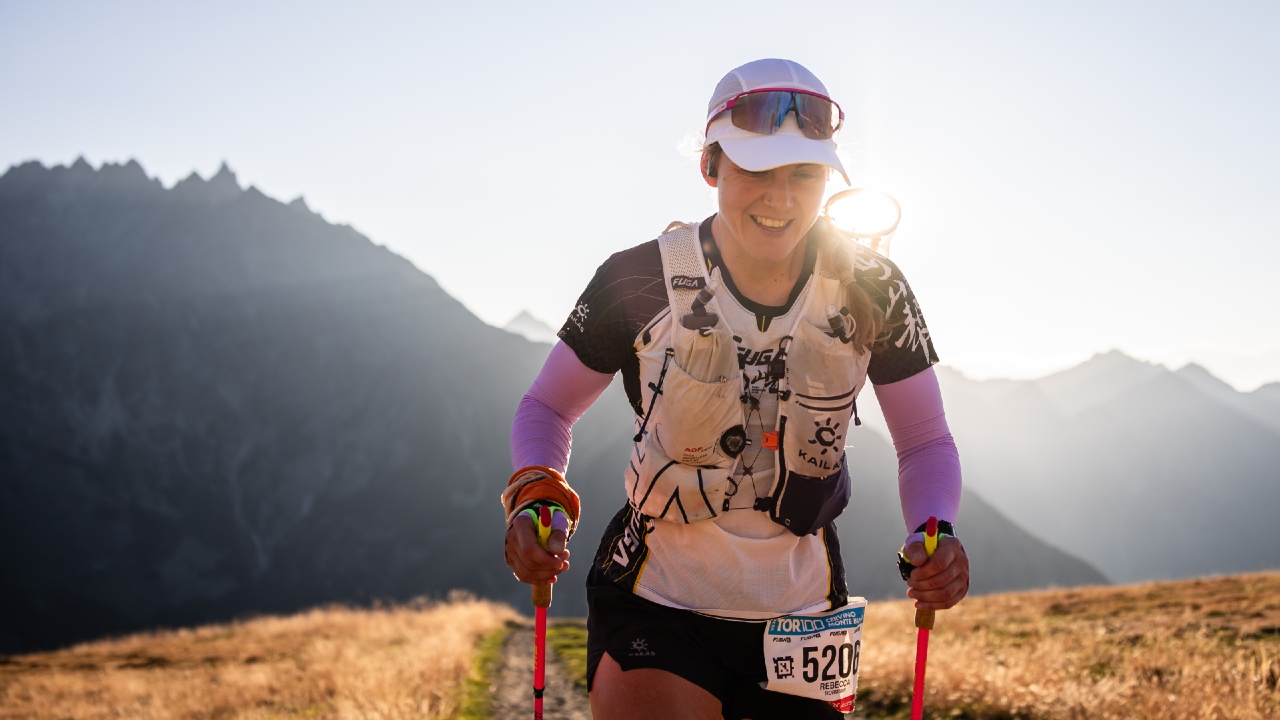
Trail runners can improve balance on uneven terrain by developing lower body strength, ankle stability, coordination, and better foot placement while gradually practicing on more challenging trails. Balance is not simply the ability to stand on one leg. During trail running, it involves continuously adjusting your body as the ground changes underneath you. Rocks, roots, mud, loose gravel, steep slopes, and uneven surfaces require quick movements that road running rarely demands. Fatigue can make these challenges harder because foot placement and posture often become less precise later in a run. Improving balance therefore requires both physical preparation and regular trail experience. The aim is not to eliminate every stumble, but to become better at controlling your body and responding quickly when footing changes unexpectedly.
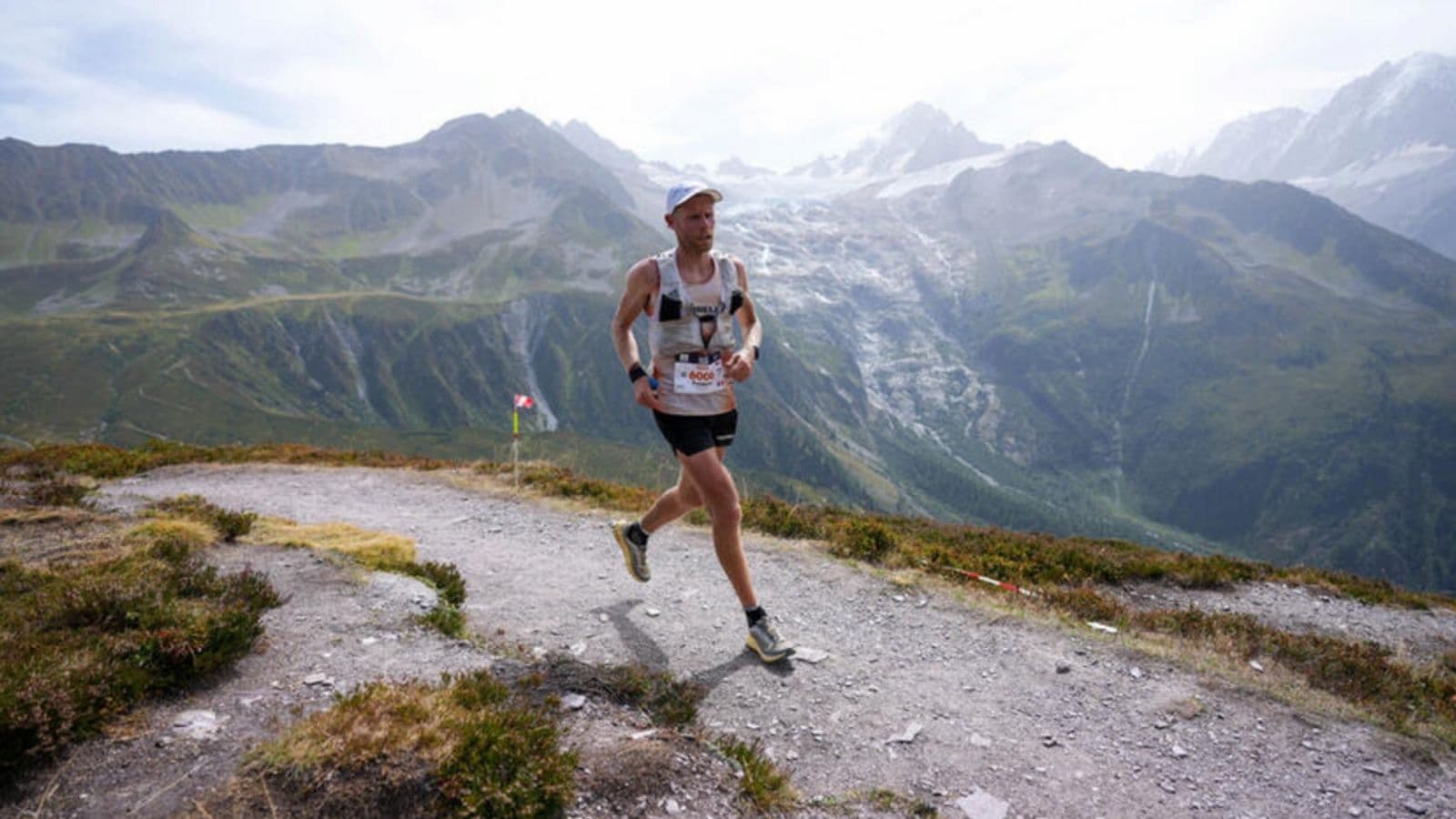
In Short
- Build strength around the ankles, calves, hips, and legs.
- Practice single leg exercises regularly.
- Improve ankle and hip mobility.
- Keep your eyes looking ahead rather than directly at your feet.
- Shorten your stride on technical terrain.
- Gradually increase exposure to uneven trails.
- Practice downhill running under control.
- Avoid becoming overly dependent on balance equipment.
- Maintain technique when fatigue increases.
Build Single Leg Strength
Running repeatedly transfers body weight from one leg to the other. Uneven terrain makes each landing less predictable, so the supporting leg must stabilize the body quickly. Single leg exercises can help develop this ability.
Useful options include:
- Split squats.
- Step ups.
- Single leg deadlifts.
- Reverse lunges.
- Single leg calf raises.
Start with controlled movements before adding resistance. Good strength training should improve your ability to manage force rather than simply make exercises difficult. A balanced program can also address weaknesses elsewhere in the body, and what strength routine should runners do to stay injury-free provides a useful foundation for developing strength that supports regular trail running.
Improve Ankle Stability
The ankle constantly adjusts to the shape and angle of the ground. Strong calves and muscles around the ankle help control these movements. Single leg calf raises, controlled hopping, and simple balance exercises can progressively challenge ankle stability. Begin on a stable surface.
Once you can maintain control easily, gradually increase the challenge instead of immediately standing on highly unstable equipment. Mobility matters too. Restricted movement can make adapting to uneven surfaces more difficult, which is why what mobility routine should runners do daily can complement strength and stability work.
Strengthen Your Hips
Balance problems do not always begin at the feet. The muscles around the hips help control the position of the pelvis, knees, and legs when you land. Weak or poorly coordinated hip muscles can make it harder to maintain alignment when the ground slopes or your foot lands unexpectedly.
Exercises such as:
- Step downs
- Split squats
- Lateral movements
- Single leg deadlifts
can develop hip control. Adequate movement around the hips also matters because hip mobility is important for running becomes especially relevant when runners need to adapt their stride to constantly changing terrain.
Practice Balance on One Leg
Simple single leg balance exercises can be useful, especially for beginners. Stand near a wall or stable object for safety and balance on one leg while maintaining good posture. Progress by increasing the duration or adding slow controlled movements.
Possible progressions include:
- Turning your head.
- Reaching in different directions.
- Performing a shallow single leg squat.
- Moving the opposite leg.
- Standing on a slightly less stable surface.
These exercises should support trail practice rather than replace it. Running over actual uneven ground remains the most specific form of balance training.
Look Ahead on the Trail
Good balance depends partly on giving your brain enough time to process what is coming. Avoid staring directly at your shoes. Instead, scan the trail ahead while still using your peripheral vision to monitor the ground closer to you.
Looking ahead helps you identify:
- Rocks.
- Roots.
- Holes.
- Loose surfaces.
- Changes in gradient.
- Corners.
- Other trail users.
Your head and upper body position can influence how easily you respond, so how does posture affect running performance connects naturally with maintaining stable movement while scanning technical terrain.
Shorten Your Stride on Technical Ground
Long strides can make quick adjustments more difficult. On highly uneven terrain, a slightly shorter stride often allows faster changes in foot placement and helps keep the body more controlled. Do not try to maintain your normal road running pace when conditions demand more caution. Cadence may naturally increase as steps become shorter, but avoid forcing an artificial number. The goal is responsive movement rather than hitting a specific watch metric.
Good trail technique changes with the terrain.
Use Your Arms for Balance
Your arms do more than help propel you forward. On uneven ground, they can move slightly wider than during normal road running to help counterbalance changes in body position. Keep the shoulders relaxed and allow the arms to respond naturally. Overly rigid arm movement can make quick corrections harder. Efficient arm action is part of whole body running mechanics, and how do arm swings improve running form helps explain why upper body movement contributes to stability as well as forward motion.
Practice on Uneven Terrain Gradually
Balance improves through exposure. A runner who only trains on smooth roads cannot expect to immediately feel comfortable on technical trails. Begin with relatively easy trails containing small changes in surface and gradually progress toward more demanding terrain.
You might progress from:
- Smooth gravel paths.
- Rolling dirt trails.
- Moderate roots and rocks.
- Steeper uneven trails.
- More technical terrain.
Beginners can build confidence progressively, and how to start trail running safely as a beginner reinforces the importance of increasing difficulty rather than jumping directly onto the hardest available route.
Practice Downhill Balance
Downhill running places additional demands on balance because speed and gravity reduce the time available to react. Start on gentle descents. Keep your steps relatively short and quick while looking ahead for safe foot placement. Avoid leaning excessively backward, which can increase braking forces and make movement less fluid. As confidence improves, gradually practice more varied descents. Learning how can trail runners run downhill faster without losing control can help develop the balance between speed, foot placement, and safe decision making.
Add Controlled Hopping Exercises
Small hopping exercises can improve the ability to absorb force and stabilize quickly after landing.
Examples include:
- Small forward hops.
- Side to side hops.
- Single leg hops.
- Hopping over a low line.
- Controlled landing drills.
Start with low volume and focus on quiet, stable landings. These exercises create more impact than simple balance work, so they should be introduced gradually, particularly if you are new to strength or plyometric training.
Maintain Balance When Fatigued
Balance often becomes worse toward the end of a long trail run. Fatigue can reduce coordination, shorten attention span, and make foot placement less accurate. Occasionally include technical terrain later in a training run once you already have good experience on that route. Do not deliberately run dangerous terrain while exhausted simply to create a challenge. Endurance still matters because how can you run longer without feeling exhausted supports your ability to maintain controlled movement as a trail run progresses.
Slow Down When Conditions Demand It
Good balance does not mean running every section. Walking can be the faster and safer option on very steep, slippery, rocky, or unfamiliar terrain.
Adjust speed according to:
- Surface conditions.
- Visibility.
- Gradient.
- Fatigue.
- Weather.
- Experience.
Technical skill includes knowing when to reduce pace. Strong trail runners are not simply good at moving quickly. They are good at choosing an appropriate speed for the terrain in front of them.
Common Mistakes
- Looking directly at the feet for too long.
- Overstriding on technical sections.
- Running technical terrain too quickly.
- Neglecting ankle and hip strength.
- Keeping the upper body too rigid.
- Progressing to difficult trails too soon.
- Practicing balance only on unstable equipment.
- Ignoring technique when tired.
- Trying to maintain road pace on technical trails.
Practical Tips
- Practice single leg strength twice a week.
- Build ankle and calf strength.
- Scan several steps ahead.
- Shorten your stride when footing becomes difficult.
- Keep your arms relaxed and responsive.
- Increase trail difficulty gradually.
- Practice controlled downhill running.
- Walk when terrain becomes unsafe.
- Keep strength and mobility training consistent.
Actionable Takeaways
Improving balance on uneven terrain requires more than practicing standing on one leg. Trail runners need strength, ankle stability, mobility, coordination, visual awareness, and regular experience on changing surfaces. Develop single leg strength and gradually expose yourself to rocks, roots, slopes, and other trail features. Keep your stride responsive, look ahead, use your arms naturally, and adjust speed according to conditions.
Progress matters more than complexity. Regular practice on appropriately challenging terrain combined with simple strength and stability work can make technical running feel increasingly natural while improving confidence and control.
FAQs
Uneven footing, fatigue, limited strength, poor foot placement, and lack of experience on technical terrain can all contribute.
Use calf raises, single leg balance exercises, controlled hops, and gradual exposure to uneven terrain.
Yes. They develop strength and control while your body is supported by one leg, which closely relates to running.
A balance board can supplement training, but it is not essential. Strength work and actual trail practice are more specific.
Look ahead, shorten your stride, control your speed, and choose foot placements that provide reliable contact.
Higher speed and gravity reduce reaction time while increasing the demands on leg strength, coordination, and foot placement.
Core strength can help control the trunk and transfer forces between the upper and lower body, particularly when footing changes unexpectedly.
Avoid staring directly at your feet. Scan ahead while using peripheral vision to monitor the terrain closer to you.
Yes. Regular exposure to appropriately challenging uneven terrain helps develop coordination and terrain specific balance.
Two or three short sessions per week can be useful, depending on your training schedule and current ability.