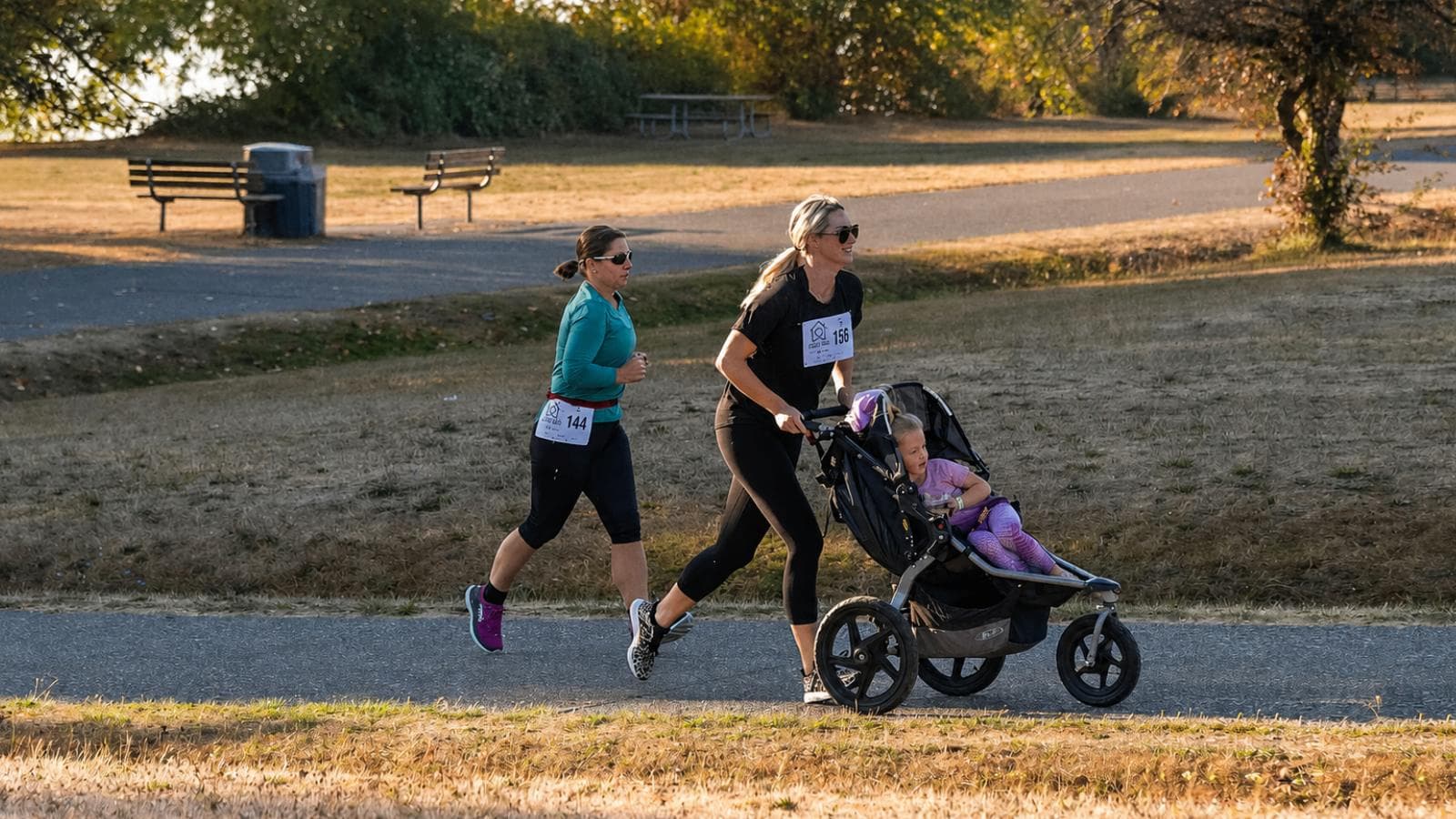



Returning to trail running after having a baby can be both exciting and intimidating. Many new mothers are eager to get back onto the trails, reconnect with their running routine, and regain fitness. However, the postpartum period brings unique physical and mental challenges that require patience and a thoughtful approach. The body has undergone significant changes during pregnancy and childbirth. Muscles, joints, hormones, and energy levels all need time to recover before returning to regular training.
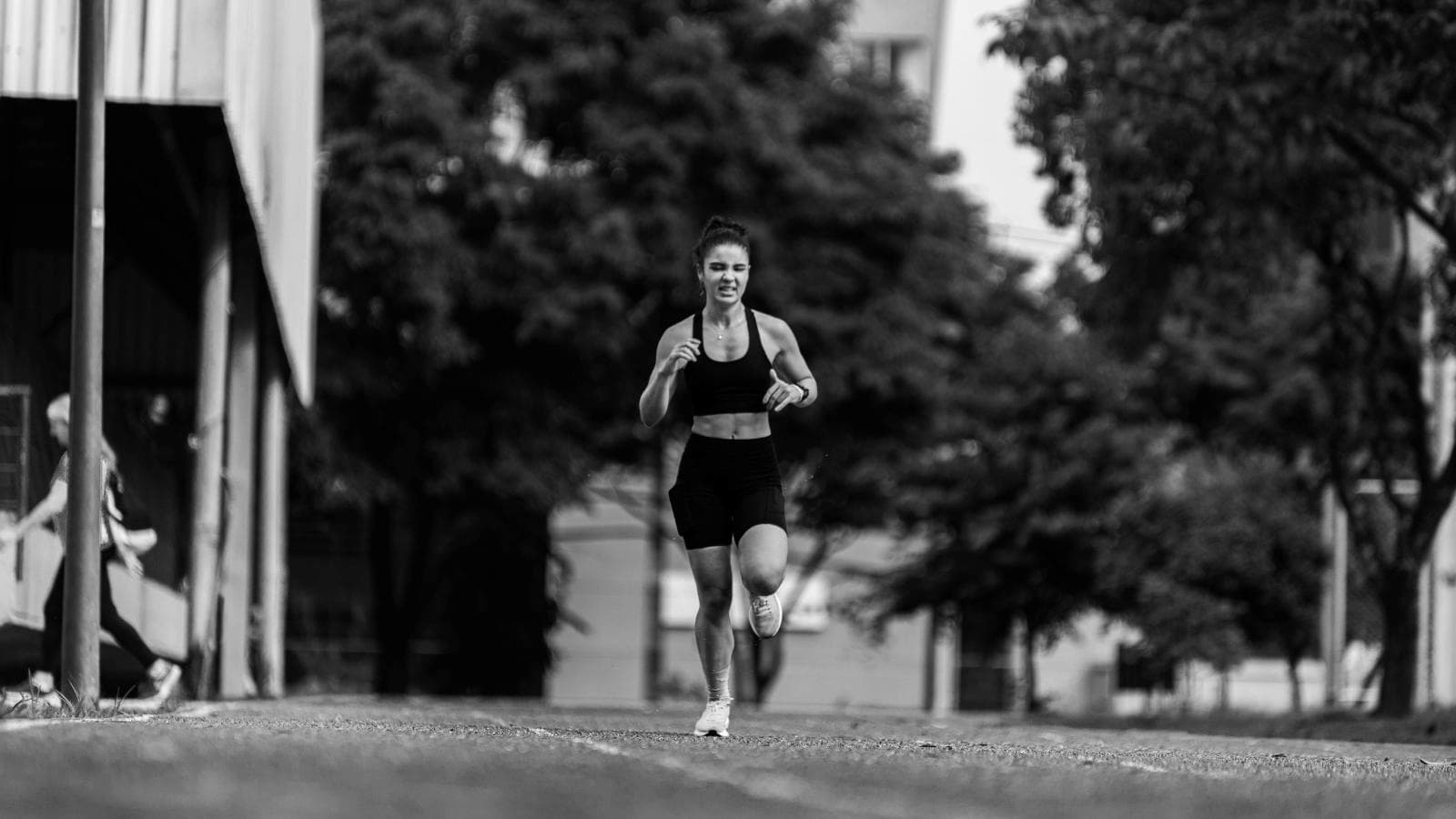
The good news is that many women successfully return to trail running and often become stronger, more resilient athletes in the process. The key is focusing on gradual progression rather than rushing back to previous performance levels.
Start With Recovery, Not Fitness
One of the most common mistakes new mothers make is focusing immediately on regaining fitness. Before fitness comes recovery.
The postpartum period involves healing from:
- Pregnancy
- Childbirth
- Hormonal changes
- Sleep disruption
Athletes who understand how to recover faster after a marathon often appreciate that recovery is a critical part of performance development. The same principle applies after childbirth.
Building fitness too quickly can create setbacks that prolong the return-to-running process.
Get Medical Clearance
Every postpartum experience is different.
Factors that influence recovery include:
- Type of delivery
- Pregnancy complications
- Pelvic floor health
- Overall wellbeing
Obtaining appropriate medical clearance before returning to running is an important first step. Professional guidance helps ensure the body is ready to handle impact and training stress.
Focus on Walking First
Walking is often an excellent bridge between recovery and running.
It helps:
- Improve circulation
- Build endurance
- Restore movement confidence
- Introduce gradual loading
Athletes who understand how to run safely in cold weather often recognise that endurance development does not need to begin with continuous running.
Walking is productive training.
Rebuild Core Strength Gradually
Pregnancy affects the muscles that support posture and movement.
Many new mothers benefit from rebuilding:
- Core stability
- Pelvic floor strength
- Hip control
Athletes who understand how does posture affect running performance often appreciate how important trunk stability is for efficient movement.
Strong foundations support successful running.
Don’t Compare Yourself to Pre-Pregnancy Fitness
One of the biggest mental challenges is accepting that fitness levels may not immediately match where they were before pregnancy.
Many runners compare:
- Pace
- Distance
- Workout performance
to pre-baby training. This often creates unnecessary frustration. Athletes who focus on how can runners improve longevity in ultrarunning understand that long-term progress comes from consistency rather than short-term comparisons.
Your current starting point matters more than your previous personal best.
Begin With Run-Walk Sessions
When running feels comfortable again, many mothers benefit from starting with run-walk intervals.
Examples may include:
- 1 minute running, 2 minutes walking
- 2 minutes running, 1 minute walking
- Short running intervals mixed with walking
This allows the body to adapt gradually to impact forces. Athletes who follow interval training structures often discover that easing into runs creates a smoother transition than trying to run continuously from day one.
Prioritise Sleep When Possible
Sleep can be one of the biggest challenges for new mothers. Unfortunately, recovery and adaptation depend heavily on quality rest.
While uninterrupted sleep may not always be realistic, prioritising recovery where possible can support:
- Energy levels
- Mood
- Performance
- Healing
Training plans should reflect current recovery capacity rather than ideal circumstances.
Strength Training Is Valuable
Strength work can help support the return to trail running.
Useful areas to focus on include:
- Glutes
- Hips
- Core
- Calves
- Hamstrings
Trail running places unique demands on stability and balance. Athletes who understand how does road running help trail running performance often recognise that supporting fitness through complementary training methods can improve overall durability.
Progress Distance Before Speed
Many runners become eager to regain previous paces. However, rebuilding endurance should generally come before pursuing speed.
Initially focus on:
- Comfortable running
- Consistent training
- Gradual mileage increases
Speed workouts can return later. Athletes who understand why your marathon workouts should be smart but not hard often appreciate that patience usually produces better long-term outcomes.
Be Cautious on Technical Trails
Technical trails demand:
- Balance
- Coordination
- Agility
These qualities may take time to fully return following pregnancy.
Many new mothers benefit from starting on:
- Smooth trails
- Gravel paths
- Less technical terrain
before progressing to more challenging routes.
Confidence often develops gradually.
Listen to Your Body
The postpartum period is highly individual.
Some runners feel ready sooner than others.
Pay attention to:
- Energy levels
- Recovery
- Muscle soreness
- Pelvic floor symptoms
Athletes who understand what are the warning signs of overtraining for a marathon often know that ignoring warning signs rarely produces positive outcomes.
Your body provides valuable feedback.
Trail Running Can Support Mental Wellbeing
Running is often about more than fitness.
For many new mothers, trail running provides:
- Personal time
- Stress relief
- Confidence
- Mental clarity
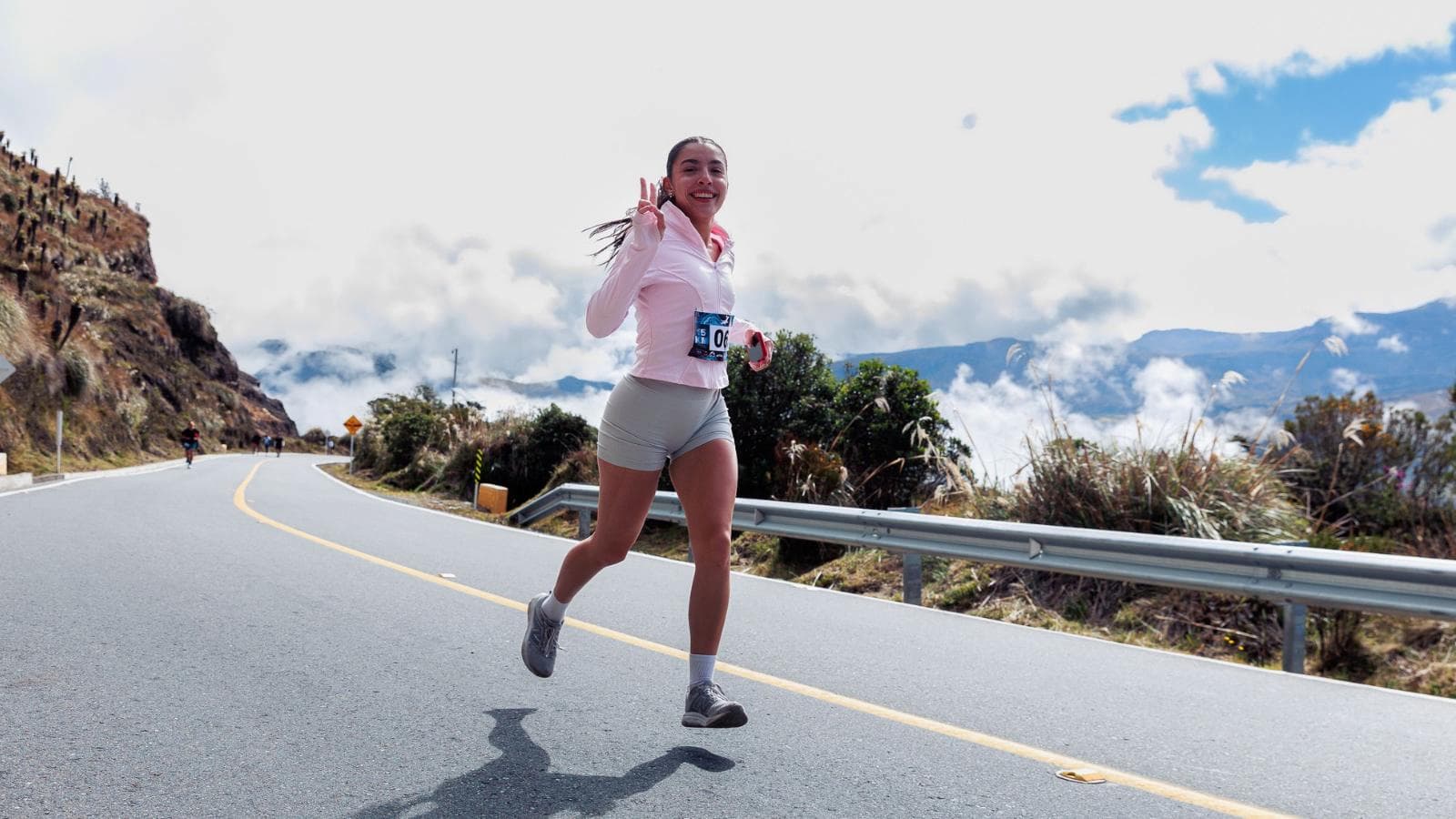
Getting back onto the trails can be an important part of feeling connected to yourself again.
Progress may be slower than expected, but every run is still a step forward.
Nutrition Matters More Than Ever
Recovery, breastfeeding, and training all increase energy demands.
Athletes should focus on:
- Adequate calories
- Hydration
- Protein intake
- Nutrient-dense foods
Athletes who understand how to train your gut for marathons and trails often appreciate how nutritional status can influence both recovery and endurance.
Fueling supports adaptation.
Accept That Progress May Not Be Linear
Some weeks will feel excellent.
Others may feel more challenging because of:
- Sleep disruption
- Childcare demands
- Recovery needs
This is normal. Athletes who understand how to avoid injuries with mileage increases often realise that successful training requires flexibility rather than perfection.
Consistency over time matters more than individual workouts.
Common Mistakes New Mothers Make
Many runners create unnecessary setbacks by:
- Returning too quickly
- Comparing themselves to old performances
- Ignoring recovery
- Increasing mileage too rapidly
- Neglecting strength training
- Running through discomfort
- Focusing on pace too early
- Expecting immediate results
Patience is often the most valuable training tool.
How to Rebuild Fitness Successfully?
New mothers can rebuild trail-running fitness by:
- Prioritising recovery first
- Getting medical clearance
- Starting with walking
- Using run-walk progressions
- Strengthening the core and hips
- Focusing on endurance before speed
- Choosing appropriate terrain
- Being patient with progress
Returning to trail running after pregnancy is not about proving how quickly you can get back. It is about building a strong, sustainable foundation that supports long-term health, enjoyment, and performance.
FAQs
The timeline varies, and medical guidance should always be followed.
Yes. Walking is often an excellent way to rebuild fitness before running.
No. Endurance and consistency should generally come first.
Core stability supports posture, movement efficiency, and injury prevention.
Many runners find trail running beneficial for stress management and wellbeing.
Yes. They are often an effective way to return to running gradually.
Absolutely. Rebuilding fitness takes time.
Trying to progress too quickly before the body has fully recovered.