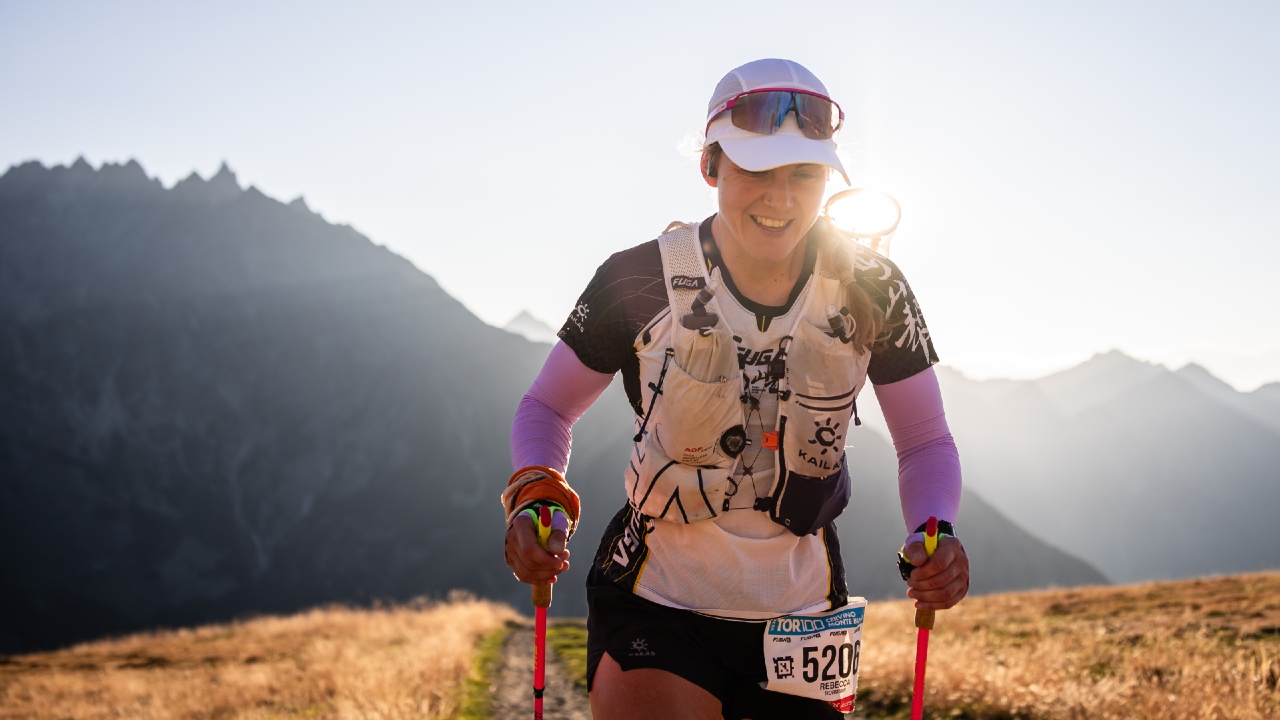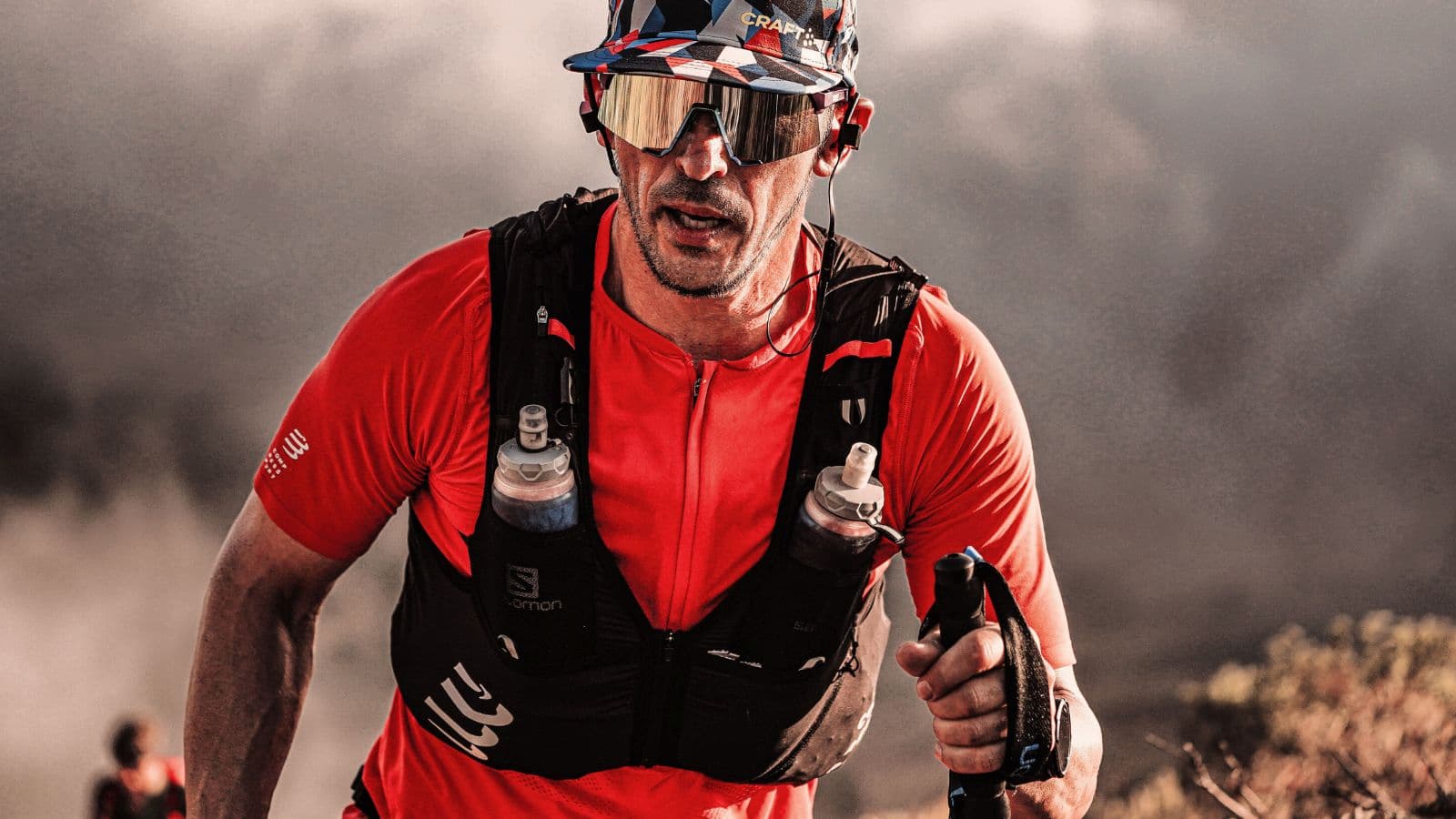



A trail 10K offers a very different challenge from a road race. Instead of smooth pavements and predictable pacing, you’ll encounter hills, uneven terrain, changing weather and technical sections that demand both fitness and concentration. For first-time trail runners, this can seem intimidating. However, with the right preparation, a trail 10K can become one of the most rewarding running experiences you’ll ever have. Success isn’t just about running faster, it’s about developing the endurance, strength, confidence and trail skills needed to enjoy the course safely and efficiently.

In Short
- Build your running gradually.
- Train on trails whenever possible.
- Practise climbing and descending.
- Wear suitable trail running shoes.
- Pace yourself conservatively.
Understand How Trail Running Differs
Trail races are rarely as predictable as road events.
Expect:
- Uneven terrain.
- Mud, rocks and roots.
- Steep climbs.
- Technical descents.
- Slower average pace.
Avoid comparing your expected trail finish time with your road 10K personal best. Trail races reward efficient movement and good decision-making rather than raw speed. If you’re completely new to off-road running, what should you know before your first trail run covers the essential skills before entering your first race.
Build a Consistent Running Routine
Your preparation should begin several weeks before race day. Aim to run regularly rather than completing occasional long or difficult sessions.
A typical week may include:
- Easy runs.
- One hill or interval workout.
- One longer trail run.
- Recovery days.
Training consistently allows your body to adapt safely. That’s why maximizing winter training for peak triathlon performance is an excellent place to start when organizing your training.
Increase Your Endurance Gradually
Although a 10K isn’t an ultramarathon, you’ll still need enough endurance to cope with the additional demands of trail terrain. Gradually increase your weekly mileage and longest run without making sudden jumps.
Steady progression helps improve:
- Aerobic fitness.
- Muscular endurance.
- Recovery.
- Confidence.
Following how to improve running endurance fast can help you develop the fitness needed while avoiding common training mistakes.
Train on Similar Terrain
Whenever possible, prepare on trails similar to those you’ll race on.
This allows you to practise:
- Running over rocks.
- Navigating roots.
- Climbing efficiently.
- Descending confidently.
- Adjusting your pace.
Trail-specific practice develops skills that simply can’t be replicated on roads.
Practise Hills
Trail 10Ks often include significant elevation gain.
Include both uphill and downhill training.
Benefits include:
- Stronger legs.
- Better climbing efficiency.
- Improved descending confidence.
- Reduced fatigue.
Regular hill training also prepares your muscles for the demands of technical terrain. How does hill running improve fitness, strength, and endurance explains why hills are such an effective training tool.
Improve Your Running Technique
Efficient technique helps you move safely over uneven ground while conserving energy.
Focus on:
- Short strides.
- Quick cadence.
- Relaxed upper body.
- Looking ahead on the trail.
- Light foot placement.
Small improvements in technique can make technical trails feel considerably easier. Learning how to improve your running form without overthinking it can help you become more efficient without making running feel unnatural.
Wear the Right Trail Running Shoes
Road shoes may struggle to provide enough grip on loose or muddy terrain.
Trail running shoes typically offer:
- Better traction.
- Increased stability.
- Improved protection.
- More durable outsoles.
Always wear shoes you’ve already trained in rather than brand-new footwear on race day.
Practise Your Race Pace
The goal isn’t to run every training session fast. Instead, become familiar with a sustainable effort that allows you to finish strongly.
Trail pacing should account for:
- Climbs.
- Descents.
- Technical terrain.
- Weather conditions.
Learning how to pace a 5k, 10k, half marathon, marathon can help you avoid starting too quickly and fading later in the race.
Strength Training Supports Trail Running
Trail running demands more than cardiovascular fitness.
Strength training improves:
- Balance.
- Stability.
- Climbing power.
- Injury resistance.
- Descending control.
Exercises such as squats, lunges and single-leg work prepare your body for uneven terrain. A structured program like what strength routine should runners do to stay injury-free can complement your trail running training effectively.
Test Your Nutrition Before Race Day
A trail 10K may not require the same fuelling strategy as a marathon, but you should still arrive well fuelled.
Before race day:
- Eat a familiar pre-run meal.
- Stay hydrated.
- Avoid experimenting with new foods.
- Test any energy gels or drinks during training if you plan to use them.
Understanding what to eat before running can help you choose a meal that provides steady energy without causing stomach discomfort.
Prepare for Changing Weather
Trail conditions can change quickly.
Check the forecast before leaving and prepare for:
- Rain.
- Wind.
- Cold temperatures.
- Heat.
- Muddy trails.
Dress in layers if necessary and carry lightweight waterproof clothing when race organisers recommend it.
Recover Properly During Training
Fitness improves when training is balanced with recovery.
Include:
- Easy recovery runs.
- Rest days.
- Good nutrition.
- Plenty of sleep.
Recovering well between sessions allows you to arrive at the start line feeling fresh rather than fatigued. Learning how to recover faster after a trail run can help you maintain consistent progress throughout your race preparation.
Prepare Mentally for the Race
Trail races are unpredictable.
You may encounter:
- Steep climbs.
- Muddy sections.
- Slippery descents.
- Brief walking sections.
Accept that these are all part of trail running. Rather than focusing purely on finishing time, concentrate on making good decisions and enjoying the experience.
Don’t Ignore Recovery Before Race Day
Avoid squeezing in extra hard workouts during the final week.
Instead:
- Reduce your training volume.
- Stay active with easy runs.
- Keep your legs fresh.
- Prioritise sleep.
Arriving slightly undertrained is far better than arriving fatigued. If you’re unsure how to approach the final few days, what should trail runners do in the 5 days before a race explains how to prepare without overdoing your training.
Trust Your Training
It’s common to feel nervous before your first trail race.
Remember that you’ve already completed the hard work during training.
On race day:
- Start conservatively.
- Run your own race.
- Stay relaxed.
- Adapt to the terrain.
- Enjoy the atmosphere.
Your first trail 10K is an opportunity to learn as much as it is to compete.
Common Mistakes
- Starting too fast.
- Wearing new shoes on race day.
- Training only on roads.
- Ignoring hill training.
- Comparing trail pace with road pace.
- Trying unfamiliar nutrition.
- Skipping recovery during training.
- Underestimating technical terrain.
Practical Tips
- Train on trails whenever possible.
- Include regular hill sessions.
- Wear tested trail running shoes.
- Practise your race-day nutrition.
- Check the weather forecast.
- Arrive early to reduce stress.
- Carry any mandatory kit required by the organiser.
- Focus on steady effort rather than pace.
Actionable Takeaways
Preparing for your first trail 10K involves much more than building the fitness to cover the distance. Developing trail-specific skills, improving your climbing and descending technique, wearing appropriate equipment and pacing yourself sensibly all contribute to a successful race.
Train consistently, practise on terrain similar to your race and trust the preparation you’ve completed. By approaching your first trail 10K with realistic expectations and a focus on enjoying the experience, you’ll build valuable confidence for future trail running adventures.
FAQs
Most beginners benefit from training consistently for around 8–12 weeks, depending on their current fitness.
Yes. However, you should spend time training on trails beforehand to become familiar with uneven terrain and elevation.
Trail shoes provide better grip and stability on uneven or muddy surfaces and are recommended for most trail races.
Run by effort rather than pace. Hills and technical terrain naturally slow your speed, so avoid comparing your pace with road running.
Yes. Many experienced trail runners walk steep climbs to conserve energy and improve overall performance.
Choose a familiar, carbohydrate-rich meal two to three hours before the race and avoid trying anything new.
Aim to include at least one trail run each week if possible during your preparation.