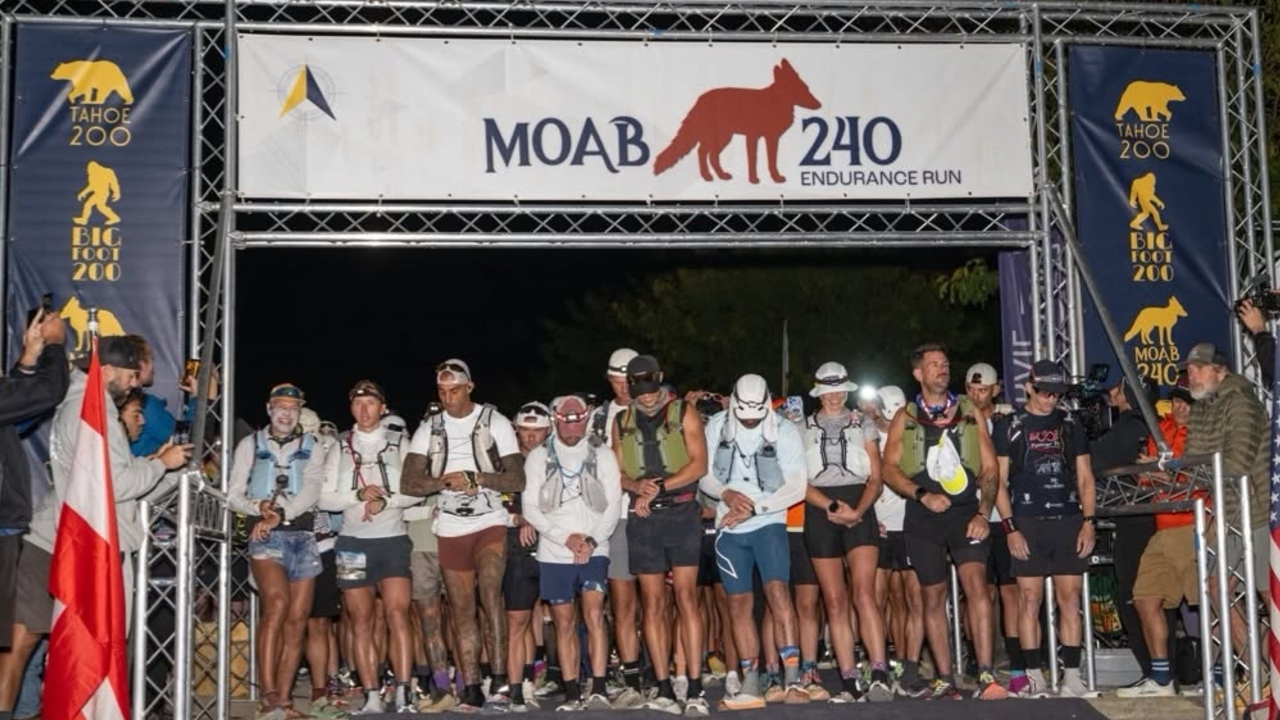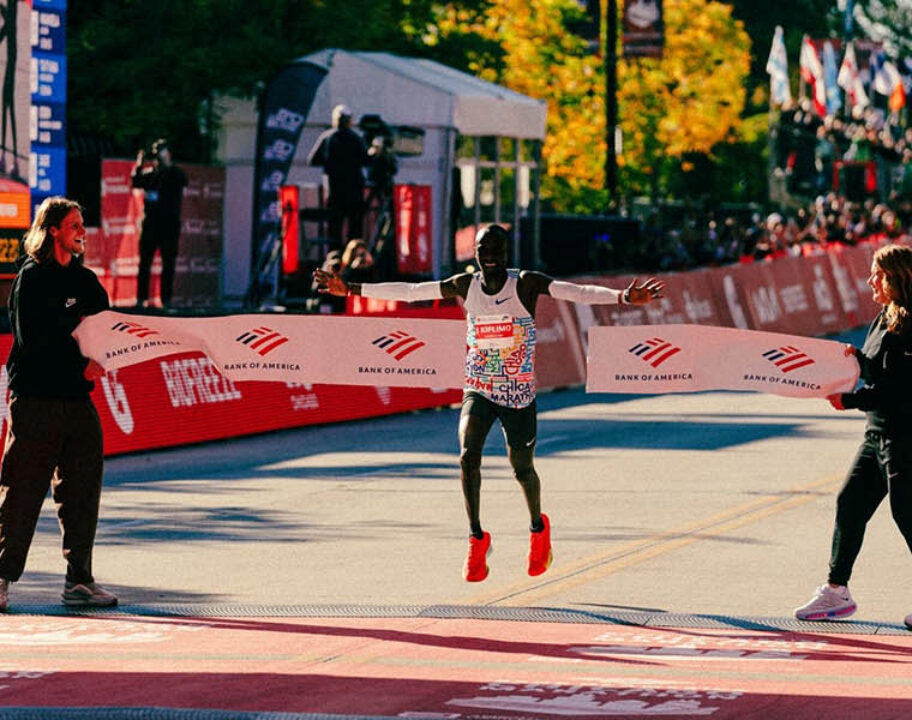


Trail runners often love the variety, scenery, and adventure that comes with running off-road. As a result, some athletes avoid roads entirely, believing that every run should take place on trails. While trail-specific training is essential for trail racing, road running can still play a valuable role in a well-rounded training plan. In fact, many successful trail runners regularly incorporate road sessions to build fitness, improve efficiency, and support consistent training throughout the year. The question isn’t whether road running is better than trail running. Instead, it’s whether road running can complement trail-specific training and help athletes become stronger, more complete runners.

Trail Running Should Remain the Priority
If you’re training for trail races, most of your key sessions should still occur on terrain that resembles your goal event.
This helps develop:
- Technical skills
- Climbing ability
- Descending confidence
- Terrain-specific fitness
Athletes who understand how to avoid running injuries with increase in mileage know that trails present unique challenges that can’t be fully replicated on roads. Specificity still matters.
Road Running Builds Aerobic Fitness
One of the biggest benefits of road running is its simplicity.
Roads allow runners to:
- Maintain steady efforts
- Control intensity
- Track progress more easily
Athletes who understand training errors that slow down running progress know that efficient aerobic development often comes from consistent, controlled training rather than constantly seeking difficult terrain. Roads can be excellent for building endurance.
Workouts Are Easier to Structure
Intervals, tempo runs, and progression runs are often easier to execute on roads than on technical trails.
Roads provide:
- Predictable surfaces
- Consistent pacing opportunities
- Reduced interruptions
Athletes who understand training data often find that structured workouts are easier to monitor and evaluate on roads. This can improve workout quality.
Road Running Can Improve Efficiency
Running on smooth surfaces encourages:
- Consistent cadence
- Rhythm
- Efficient movement patterns
Athletes who understand how do arm swings improve running form know that small improvements in running mechanics can contribute to better overall performance. Road running provides opportunities to focus on these fundamentals.
It Can Be More Accessible
Trails are not always available.
Factors such as:
- Location
- Weather
- Time constraints
may limit trail access.
Road running allows athletes to:
- Train consistently
- Fit workouts into busy schedules
- Maintain momentum
Consistency often beats perfection.
Road Running Helps During Winter
Depending on location, trail conditions can become difficult during winter months. Snow, ice, and mud may reduce access to certain routes. Athletes who understand maximizing winter training know that flexible training options help maintain fitness when conditions become challenging. Roads can provide a practical alternative.
It May Reduce Technical Fatigue
Technical trails demand constant concentration.
Every step requires:
- Foot placement decisions
- Balance adjustments
- Terrain awareness
Occasionally running on roads can reduce mental fatigue while still providing an aerobic stimulus. This can be especially useful during high-volume training periods.
Road Running Can Support Recovery
Easy road runs can sometimes serve as effective recovery sessions.
Compared to technical trails, roads may:
- Require less concentration
- Allow easier pacing control
- Simplify recovery efforts
Athletes who understand how to schedule your rest days know that managing recovery effectively is a critical part of long-term progress.
Strengths and Weaknesses Become More Visible
Road running often exposes limitations that trails can sometimes mask.
These may include:
- Poor pacing habits
- Running form inefficiencies
- Aerobic weaknesses
Road sessions can provide useful feedback that helps athletes identify areas for improvement.
Don’t Neglect Trail-Specific Skills
While roads offer benefits, they cannot fully replicate:
- Technical descents
- Rock gardens
- Root-covered terrain
- Steep climbs
Athletes who understand fixing IT band injuries know that trail running develops unique strength, stability, and coordination demands. Trail-specific practice remains essential.
Road Running Can Improve Mental Discipline
Steady road efforts often require:
- Patience
- Focus
- Pacing discipline
Unlike trails, where terrain frequently dictates pace changes, roads allow runners to maintain sustained efforts for longer periods.
This can help develop valuable mental skills.
It May Help Build Speed
Many trail runners struggle to incorporate faster running due to terrain limitations.
Roads can provide an ideal environment for:
- Tempo runs
- Threshold sessions
- Speed development
Athletes who understand how does progressive overload improve training results of a marathon know that structured progression often requires controlled environments. Roads can support that process.
Variety Can Reduce Burnout
Even passionate trail runners occasionally benefit from variety.
Mixing surfaces can:
- Prevent monotony
- Challenge the body differently
- Maintain motivation
Athletes who understand how do trail runners stay motivated and have fun on the trails know that enjoyment is an important component of long-term consistency.
Road Running Doesn’t Make You Less of a Trail Runner
Some athletes worry that road running somehow detracts from trail identity. The reality is that many elite trail runners regularly include road sessions in their training. The goal is not choosing one surface over another. The goal is becoming a stronger runner.
Common Mistakes Trail Runners Make
Many trail runners:
- Avoid roads completely
- Neglect structured workouts
- Focus only on terrain-specific training
- Ignore pacing development
- Underestimate aerobic fitness
- Make every run technical
- Miss opportunities for recovery runs
- Forget the value of variety
These limitations can sometimes slow progress.
How to Combine Road and Trail Running?
A balanced approach might include:
- Trail long runs
- Trail-specific hill sessions
- Road tempo runs
- Easy recovery road runs
- Trail race simulation workouts
- Structured road intervals
- Mobility and strength work
- Consistent weekly training
This combination allows runners to benefit from the strengths of both surfaces.
FAQs
Yes. Road running can complement trail-specific training and improve overall fitness.
It can, particularly through aerobic development, pacing control, and structured workouts.
Not necessarily. A combination of trail and road running often works well.
Yes. Roads often provide a controlled environment for quality workouts.
Absolutely. Many runners find speed sessions easier to execute on roads.
In some cases, yes, because pacing is easier to control.
Many do, particularly for structured workouts and aerobic development.