


Modern running technology has transformed the way athletes train. GPS watches, heart rate monitors, power meters, recovery apps, sleep trackers, and training platforms provide an unprecedented amount of information about performance. For many runners, this data can be incredibly useful. It can help track progress, guide training intensity, and identify long-term trends. However, problems arise when athletes begin relying entirely on numbers while ignoring the signals coming from their own bodies. Training data should support decision-making, not replace it. The most successful runners learn how to balance objective metrics with subjective experience, using technology as a tool rather than a coach.
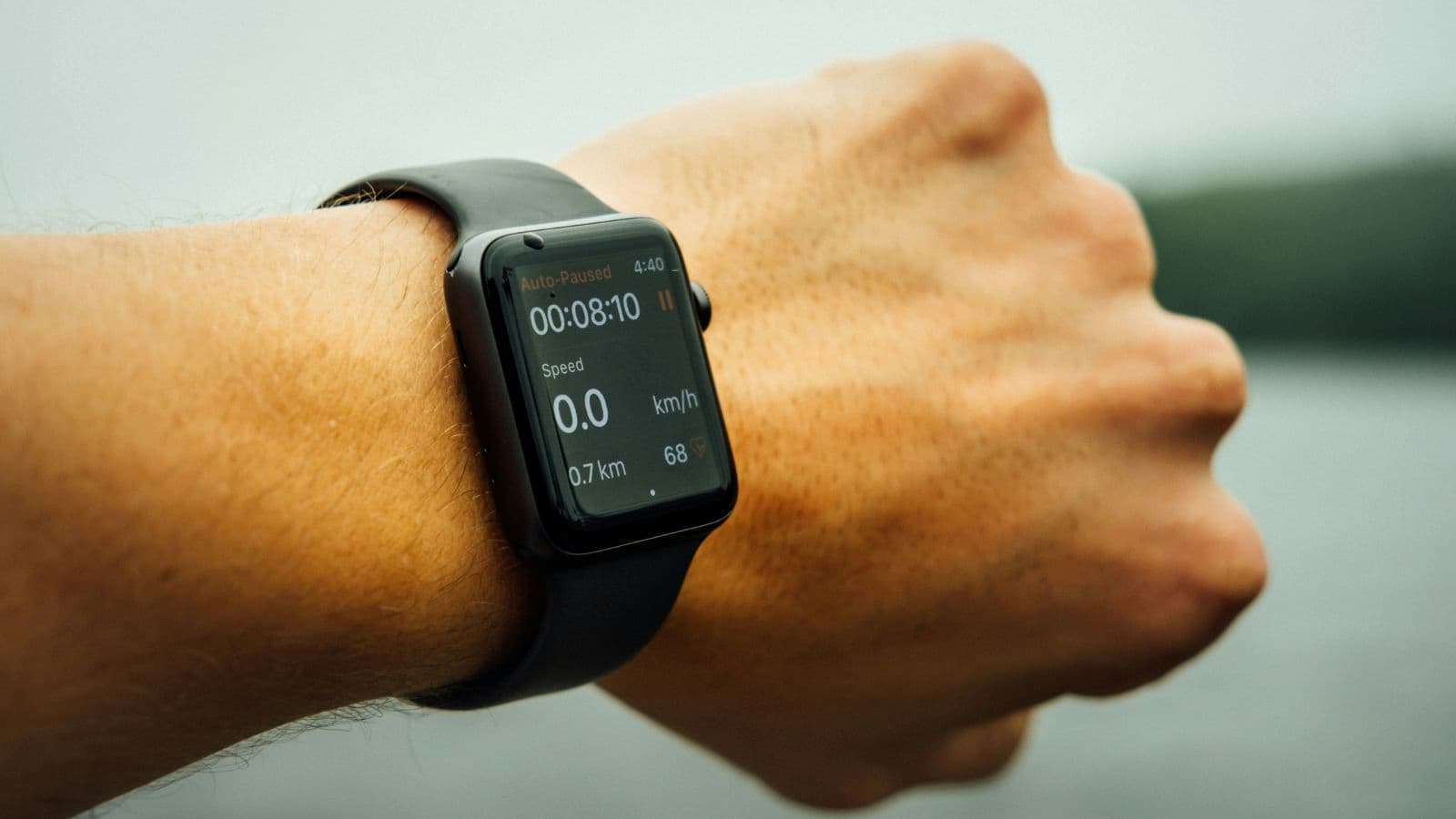
Data Doesn’t Tell The Whole Story
Training metrics provide valuable information, but they rarely capture everything that influences performance.
Factors such as:
- Stress
- Sleep quality
- Motivation
- Mental fatigue
- Environmental conditions
can all affect how a runner performs. Athletes who understand training data know that data becomes most useful when interpreted within a broader context.
Your Body Often Knows First
Many runners have experienced days when:
- The watch says they are recovered
- Their body feels exhausted
Or the opposite:
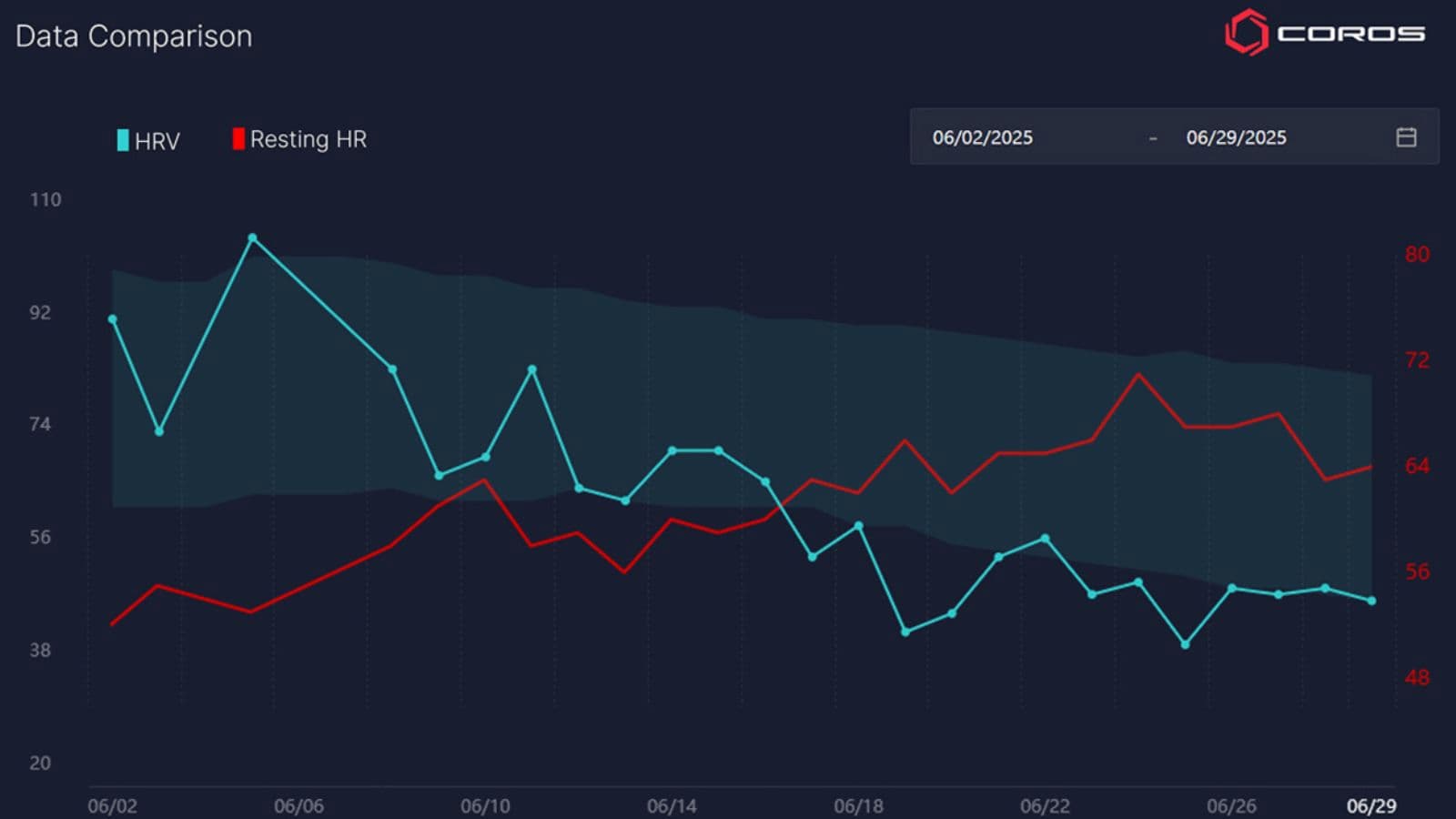
- Recovery metrics appear poor
- They feel strong and energetic
Learning to trust physical sensations remains an important skill. Technology can provide guidance, but it cannot fully replace self-awareness.
GPS Data Is Not Perfect
Even modern GPS devices have limitations.
Factors such as:
- Tree cover
- Tall buildings
- Weather conditions
- Technical terrain
can affect accuracy. Trail runners often encounter greater GPS variability than road runners. Athletes who understand trail running as a beginner know that terrain often influences performance in ways that watches cannot always measure accurately.
Pace Doesn’t Always Reflect Effort
Many runners become obsessed with pace.
However, pace can be influenced by:
- Hills
- Mud
- Wind
- Snow
- Technical terrain
Athletes who understand how does elevation gain improve trail running performance know that effort often matters more than speed when training on varied terrain. A slower pace doesn’t necessarily mean a worse workout.
Recovery Scores Are Estimates
Many devices now provide:
- Recovery scores
- Readiness ratings
- Training recommendations
These tools can be useful, but they remain estimates. Recovery is influenced by numerous variables that no wearable can fully measure. Athletes who understand how to schedule your rest days in between two consecutive trail runs know that recovery decisions often require judgment as well as data.
Numbers Can Create Unnecessary Anxiety
For some runners, constant monitoring leads to:
- Stress
- Frustration
- Overanalysis
A single unexpected metric can sometimes affect confidence more than it should.
Athletes may begin worrying about:
- Pace
- Heart rate
- Sleep scores
- Recovery ratings
instead of focusing on the actual training experience.
Training Shouldn’t Become a Spreadsheet
Running is ultimately a physical activity, not a data collection exercise. Athletes who understand how do trail runners stay motivated and have fun on the trails know that enjoyment often plays a major role in long-term consistency. Excessive focus on metrics can sometimes reduce that enjoyment.
Heart Rate Isn’t Always Reliable
Heart rate can be affected by:
- Heat
- Dehydration
- Stress
- Caffeine
- Illness
While heart rate data is useful, it should not always be interpreted in isolation. A higher-than-normal reading doesn’t automatically indicate poor fitness.
Data Can’t Measure Confidence
Some of the most important performance factors cannot be quantified easily.
Examples include:
- Confidence
- Experience
- Resilience
- Decision-making
Athletes who understand how do trail runners overcome pre-race nerves know that mental preparation often influences performance just as much as physical fitness.
Running Form Still Requires Observation
Wearables can estimate:
- Cadence
- Ground contact time
- Vertical oscillation
But they cannot fully assess movement quality. Athletes who understand how do arm swings improve running form know that efficient running involves many subtle elements that require observation and practice.
Data Can Encourage Comparison
Online platforms make it easy to compare workouts with other runners.
This can sometimes create unrealistic expectations.
Every athlete has:
- Different genetics
- Different schedules
- Different goals
- Different recovery needs
Comparing data without context can be misleading.
Experience Remains Valuable
Many experienced runners make excellent decisions without constantly checking metrics.
They learn to recognize:
- Appropriate pacing
- Recovery needs
- Training readiness
through years of experience.
Technology can accelerate learning, but it cannot completely replace it.
Conditions Matter More Than Numbers
A workout completed in:
- Heat
- Wind
- Snow
- Mud
may look worse on paper than one completed in ideal conditions. Athletes who understand how can you maximize winter training for peak running performance know that environmental conditions often influence data significantly. The context behind a workout matters.
Performance Is More Than Metrics
Success in running often depends on:
- Consistency
- Recovery
- Decision-making
- Adaptability
These factors are only partially reflected in training data. Athletes who understand why is consistency more important than intensity for running success know that long-term progress comes from sustainable habits rather than perfect numbers.
Technology Can Sometimes Reduce Intuition
Some runners become so dependent on devices that they struggle to judge effort without them.
Learning to run occasionally by:
- Feel
- Breathing
- Perceived exertion
can strengthen awareness and pacing skills.
Data Should Support, Not Control
The best athletes use data as one source of information among many.
They combine:
- Objective metrics
- Personal experience
- Physical sensations
- Training goals
to make decisions. Athletes who understand why are cool downs important for trail runs know that intelligent training often requires flexibility rather than blind adherence to numbers.
Common Data-Related Mistakes
Many runners:
- Obsess over pace
- Ignore physical fatigue
- Trust recovery scores blindly
- Compare themselves excessively
- Overanalyze workouts
- Lose confidence because of one metric
- Forget environmental context
- Let technology dictate every decision
These habits can sometimes hinder progress.
How To Use Training Data Effectively?
Runners can benefit most from data by:
- Tracking long-term trends
- Using metrics as guidance
- Considering environmental conditions
- Listening to physical feedback
- Monitoring recovery patterns
- Avoiding excessive comparison
- Balancing objective and subjective information
- Prioritizing consistency over perfection
Training data is a powerful tool, but it remains just that, a tool. Watches, apps, and performance metrics can provide valuable insights, but they cannot fully capture the complexity of human performance. The runners who perform best are often those who learn to combine data with experience, intuition, and self-awareness.
FAQs
Yes. It can help monitor progress, intensity, and long-term trends.
They can be useful indicators but should not replace personal judgment.
No. Terrain, weather, and fatigue can all influence pace.
Yes. Tree cover, terrain, and environmental factors can affect accuracy.
Absolutely. Learning perceived effort is a valuable skill.
Heart rate is useful but can be influenced by many external factors.
Generally, comparisons are most useful when focused on your own progress.
Both are valuable, but experience helps interpret data correctly.