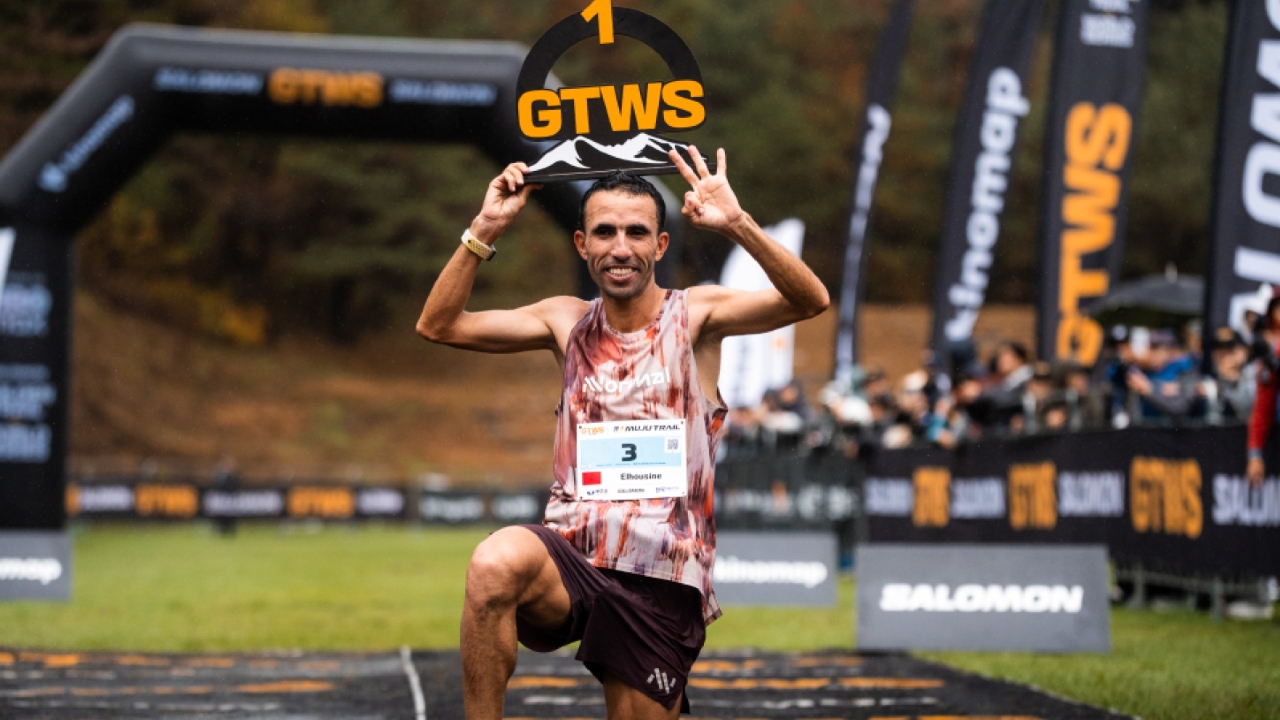


Trail running challenges more than your legs and lungs. Uneven terrain, steep climbs, long descents, changing weather, navigation, fatigue, and isolation can all test your ability to stay focused. Mental strength helps you respond effectively when a run becomes difficult. That does not mean ignoring pain, suppressing emotions, or continuing regardless of risk. A mentally strong runner can slow down, change the plan, walk a climb, eat before energy drops, or stop when continuing becomes unsafe. The goal is resilience and good decision making rather than stubbornness. Mental skills also improve through practice. Training in varied conditions, learning from difficult sessions, and developing simple strategies for bad patches can make challenging trail races feel more manageable.

In Short
- Mental strength helps runners manage discomfort without panicking.
- Long trail races require patience as well as fitness.
- Breaking a race into smaller sections can reduce mental overload.
- Confidence grows through appropriate training and experience.
- Mental strength helps runners adapt when plans fail.
- Walking is sometimes the smartest race decision.
- Mental toughness should never mean ignoring injury or danger.
- Resilience can be developed through regular training.
Trail Running Is Mentally Unpredictable
Road races often provide relatively predictable surfaces and pacing. Trails can change constantly.
Within one run you may encounter:
- Steep climbs.
- Technical descents.
- Mud.
- Rocks and roots.
- River crossings.
- Heat or cold.
- Darkness.
- Navigation problems.
- Long periods without spectators.
Mental strength helps you accept those changes instead of becoming frustrated every time the course interrupts your preferred rhythm. Knowing what should you know before your first trail run can reduce uncertainty, but experience remains one of the best ways to become comfortable with changing terrain.
Mental Strength Helps During Bad Patches
Almost every long distance runner experiences periods when the race suddenly feels much harder. Your legs may feel heavy. Motivation may drop. The finish can seem impossibly far away. The mistake is assuming that how you feel at that moment predicts how you will feel for the rest of the race.
Instead:
- Reduce the problem to the next few minutes.
- Check your effort.
- Eat or drink if appropriate.
- Adjust clothing if needed.
- Walk if the terrain requires it.
- Focus on reaching the next landmark.
Understanding why do you mentally want to quit during a long run can help runners recognize that the urge to stop may fluctuate rather than remain constant.
Break Long Distances Into Smaller Goals
Thinking about an entire ultramarathon can become overwhelming. Instead of repeatedly calculating how many miles remain, divide the course into manageable sections.
Useful checkpoints include:
- The next aid station.
- The top of the climb.
- The next descent.
- The next fueling point.
- The next hour.
- The next course marker.
This creates an immediate task. You are no longer trying to mentally complete 50 miles. You are simply moving toward the next achievable point. The approach is particularly useful in ultras, where hours of thinking about the finish can create unnecessary mental fatigue.
Confidence Comes From Preparation
Mental confidence is not simply something you tell yourself to have. It is built through evidence. Every appropriately challenging training session gives you information about what you can handle.
Confidence grows when you have:
- Completed long runs.
- Practiced climbing.
- Descended technical terrain.
- Run in poor weather.
- Tested race nutrition.
- Trained when moderately tired.
- Solved problems during training.
Following what is the best way to train for long trail runs helps build both physical endurance and confidence in your ability to spend extended periods on your feet. Preparation makes positive thinking more believable.
Use Self Talk to Stay Task Focused
Your internal conversation can influence how you respond to difficulty.
Unhelpful thoughts often become absolute:
- “I cannot do this.”
- “My race is over.”
- “Everyone is stronger than me.”
- “This climb will never end.”
Replace them with specific instructions:
- “Keep the effort controlled.”
- “Reach the next marker.”
- “Relax your shoulders.”
- “Eat at the next opportunity.”
- “Walk this section and reassess.”
This is not pretending everything feels easy. It redirects attention toward actions you can control.
Learn to Walk Without Seeing It as Failure
Many trail runners waste mental energy fighting the idea of walking. On steep terrain, walking can be efficient. Trying to run every climb may raise effort unnecessarily and leave you with less energy later. Understanding should you run or walk steep hills in trail running helps turn walking into a deliberate pacing choice rather than a sign that the race is going badly. Strong trail racing is about moving efficiently over the entire course. Sometimes that means running. Sometimes it means hiking quickly.
Mental flexibility allows both.
Stay Calm When the Plan Changes
Trail races rarely unfold perfectly.
You may:
- Miss a planned pace.
- Drop nutrition.
- Encounter unexpected mud.
- Face stronger wind.
- Take longer at an aid station.
- Develop mild stomach discomfort.
- Lose time on technical terrain.
A rigid runner may interpret one problem as proof that the entire race has failed. You cannot change what happened five minutes ago, but you can control your next decision.
Fueling Supports Mental Performance
Mental strength cannot compensate indefinitely for inadequate energy intake. As fatigue and carbohydrate availability become problematic, concentration, mood, and decision making may deteriorate. A runner who suddenly becomes unusually negative or unable to focus should consider basic physical needs rather than assuming the problem is purely psychological. Practicing how to fuel for a trail run helps make eating part of the race routine instead of something you remember only after energy levels have collapsed.
For longer events, use regular checkpoints to assess food and fluid intake.
Use Aid Stations as Mental Resets
Aid stations are useful psychological landmarks during long races. They break an intimidating course into smaller pieces and provide opportunities to reassess your condition.
Before leaving, quickly ask:
- Have I eaten enough?
- Do I have enough fluid?
- Do I need additional clothing?
- Is anything rubbing or causing pain?
- What terrain comes next?
- What is my next simple goal?
Learning how can you use aid stations efficiently in trail running can prevent long, unfocused stops while still allowing you to reset before the next section. Leave with a purpose.
Mental Strength Matters When Things Go Wrong
Visualization can help runners prepare for problems before they happen. Instead of imagining only a perfect race, picture realistic difficulties.
For example:
- A difficult climb.
- Rain.
- A missed gel.
- A slow section.
- Heavy legs.
- A crowded aid station.
- A moment when you want to stop.
Then rehearse a calm response. Using how can visualization help runners perform better when things go wrong can make problem solving feel more familiar when the real situation occurs. You cannot predict every problem, but you can practice the habit of responding rather than panicking.
Difficult Training Builds Resilience, Not Recklessness
Some challenging sessions can develop mental resilience. A long run that becomes uncomfortable teaches patience. A controlled run in rain can build confidence. A difficult climb teaches you how to regulate effort. But deliberately making every workout miserable is unnecessary. Mental strength develops through consistent exposure to manageable challenges, not constant exhaustion. Athletes who repeatedly push beyond appropriate limits risk undermining both fitness and motivation. Understanding why your trail workouts should be smarter not harder helps keep challenging training productive rather than destructive.
Mental Strength Helps After Setbacks

Trail runners sometimes lose fitness because of injury, illness, work, family commitments, or time away from training. The return can be mentally difficult. Previous paces may feel harder and confidence may be lower. Resilient runners accept their current fitness instead of constantly comparing every session with their best performances. Following how can trail runners rebuild fitness after a break encourages progressive training rather than trying to regain several months of fitness in a few hard workouts. Patience is a mental skill too.
Know When Mental Toughness Should Stop
Mental strength should improve decision making, not override it. There is a major difference between normal race discomfort and warning signs that require stopping.
Do not use mental toughness to ignore:
- Chest pain.
- Fainting.
- Confusion.
- Severe breathing difficulty.
- Serious injury.
- Loss of coordination.
- Dangerous weather exposure.
- Severe or rapidly worsening symptoms.
Similarly, stopping because conditions have become unsafe is not mental weakness. A strong runner knows when persistence is useful and when continuing is a bad decision.
Build Mental Strength in Everyday Training
Mental resilience is easier to develop when practiced regularly. You do not need extreme challenges.
Try:
- Completing planned easy runs without chasing pace.
- Practicing technical terrain gradually.
- Running controlled hills.
- Training occasionally in manageable poor weather.
- Practicing race fueling.
- Breaking long runs into smaller sections.
- Using constructive self-talk when tired.
- Finishing sessions according to the plan rather than emotion.
Consistency creates confidence because you repeatedly prove that you can execute sensible decisions.
Common Mistakes
- Believing mental toughness means ignoring pain.
- Thinking about the entire race when overwhelmed.
- Treating walking as failure.
- Panicking when pace falls.
- Using negative self-talk during difficult sections.
- Expecting race day to go perfectly.
- Ignoring food and fluid when mood deteriorates.
- Making every training session unnecessarily difficult.
- Comparing current fitness constantly with past fitness.
Practical Tips
- Break long races into small checkpoints.
- Use short, practical self-talk.
- Practice difficult terrain progressively.
- Rehearse how you will respond to common race problems.
- Use aid stations as controlled mental resets.
- Walk steep terrain when it is more efficient.
- Practice fueling before race day.
- Focus on controllable actions when plans change.
- Stop when symptoms or conditions make continuing unsafe.
Actionable Takeaways
Mental strength helps trail runners remain calm, adaptable, and purposeful when running becomes difficult. It allows you to separate temporary discomfort from genuine danger, break long races into manageable sections, and continue making useful decisions when fatigue increases. The strongest mindset is not “never stop.”
Build confidence through preparation, practice constructive self-talk, fuel consistently, expect some difficult moments, and learn to adjust your plan without treating every setback as failure. Trail running will always contain uncertainty. Mental strength helps you work with that uncertainty rather than allowing one difficult climb, bad patch, or unexpected problem to define the rest of your race.
FAQs
Mental strength helps trail runners manage fatigue, changing terrain, uncertainty, discomfort, and unexpected problems while continuing to make sensible decisions.
Build it gradually through consistent training, challenging but manageable sessions, race-specific practice, constructive self-talk, and learning how to solve problems when tired.
Break the race into smaller sections, focus on immediate tasks, fuel consistently, control your effort, and avoid judging the entire race based on one difficult period.
Focus on practical actions such as breathing, posture, pace, fueling, the terrain immediately ahead, and reaching the next checkpoint.
Rather than trying to eliminate every negative thought, redirect your attention toward specific controllable actions such as slowing down, eating, relaxing your shoulders, or reaching the next landmark.
No. Walking steep or technical terrain can be an efficient pacing strategy, particularly in long trail races and ultramarathons.
Visualization allows runners to mentally rehearse difficult situations and practice calm responses before encountering similar problems during a race.
Fatigue, discomfort, low energy, environmental stress, frustration, and the perceived distance remaining can all increase the urge to stop. That feeling may change as conditions improve.