


Snowshoe running is one of the most unique forms of winter endurance training. Combining trail running with specialised snowshoes, it allows runners to continue exploring trails and maintaining fitness even when deep snow makes traditional running impossible. While it may look similar to regular running, snowshoe running presents entirely different physical and technical demands.
Beginners often discover that snowshoe running challenges:
- Balance
- Coordination
- Strength
- Endurance
- Pacing
- Energy management
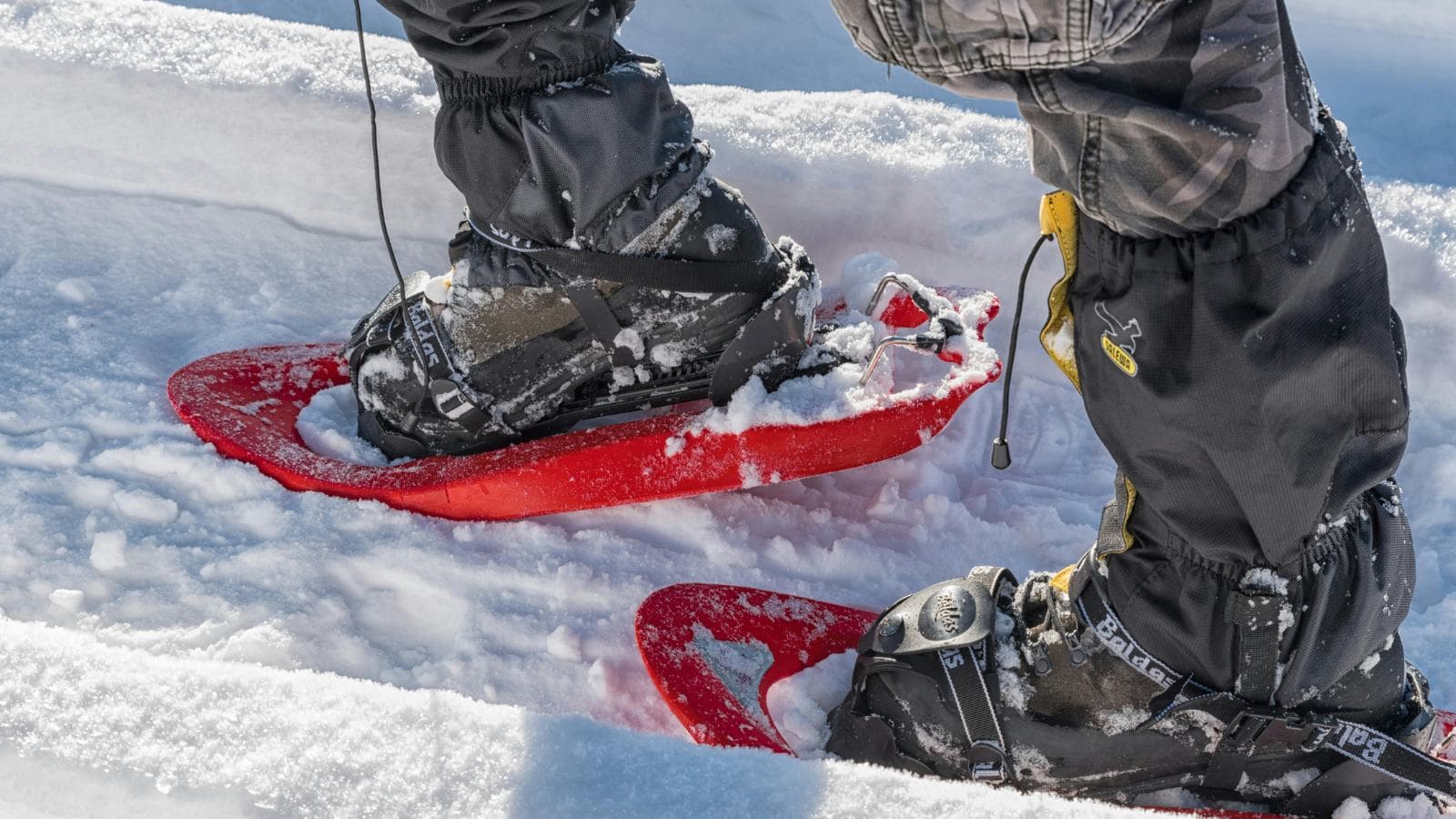
The good news is that you do not need years of experience to enjoy snowshoe running. With the right expectations and preparation, it can become an enjoyable way to stay active throughout the winter months. The goal is not running at your usual pace. The goal is adapting to snowy terrain safely while building strength and aerobic fitness.
Understand That Pace Doesn’t Matter
One of the biggest surprises for beginners is how much slower snowshoe running feels.
Deep snow creates:
- Greater resistance
- Reduced traction
- Higher energy demands
A pace that feels easy on dry trails may feel significantly harder in snowy conditions.
Instead of focusing on pace, pay attention to:
- Effort
- Heart rate
- Breathing
- Duration
Athletes who understand what causes a high heart rate on easy runs often adapt faster because they recognise that environmental conditions can dramatically affect effort levels. Snowshoe running should be judged by effort rather than speed.
Choose the Right Snowshoes
Not all snowshoes are designed for running.
Running-specific snowshoes are generally:
- Lighter
- Narrower
- More flexible
- Better suited for forward movement
Using recreational hiking snowshoes for running can feel awkward and inefficient.
Proper equipment improves:
- Comfort
- Stability
- Performance
Beginners should prioritise fit and functionality rather than simply purchasing the largest available snowshoe.
Start on Packed Snow
Deep powder can be exhausting.
For a first snowshoe run, look for:
- Groomed trails
- Packed snow paths
- Snowshoe-specific routes
These surfaces make it easier to:
- Learn technique
- Build confidence
- Maintain rhythm
Athletes transitioning through hill running benefits for runners often find the same principle applies to snowshoe running, begin with manageable terrain before progressing to more demanding conditions.
Expect a Different Running Stride
Snowshoes naturally alter running mechanics.
Most beginners need to:
- Widen their stance slightly
- Shorten stride length
- Lift feet a little higher
Trying to run exactly as you would on roads often feels awkward. Allow your movement pattern to adapt naturally rather than forcing your normal stride. Efficiency comes with experience.
Dress in Layers
Snowshoe running generates significant body heat. Many beginners overdress because temperatures appear cold. Within minutes of running, overheating becomes a bigger concern than feeling cold. A layered approach allows adjustments throughout the run.
Useful clothing choices include:
- Moisture-wicking base layers
- Breathable outer layers
- Lightweight gloves
- Hats or headbands
Athletes familiar with how can you run safely in cold weather often understand that temperature management is one of the most important aspects of winter training.
Hydration Still Matters
Cold conditions often reduce feelings of thirst. However, snowshoe running can be extremely demanding.
Runners continue losing fluids through:
- Sweat
- Breathing
- Extended exertion
Athletes improving through how to beat dehydration during a marathon often appreciate that hydration remains important regardless of temperature.
Do not assume cold weather eliminates hydration needs.
Build Strength Gradually
Snowshoe running places additional demands on:
- Hip flexors
- Glutes
- Hamstrings
- Calves
- Core
Beginners frequently experience soreness in muscles that feel relatively fresh after normal runs.
Start with:
- Shorter sessions
- Lower volumes
- Easier terrain
Gradual progression allows the body to adapt safely.
Learn to Run by Effort
Snow conditions can change dramatically from one kilometre to the next.
Factors affecting effort include:
- Snow depth
- Trail quality
- Elevation
- Temperature
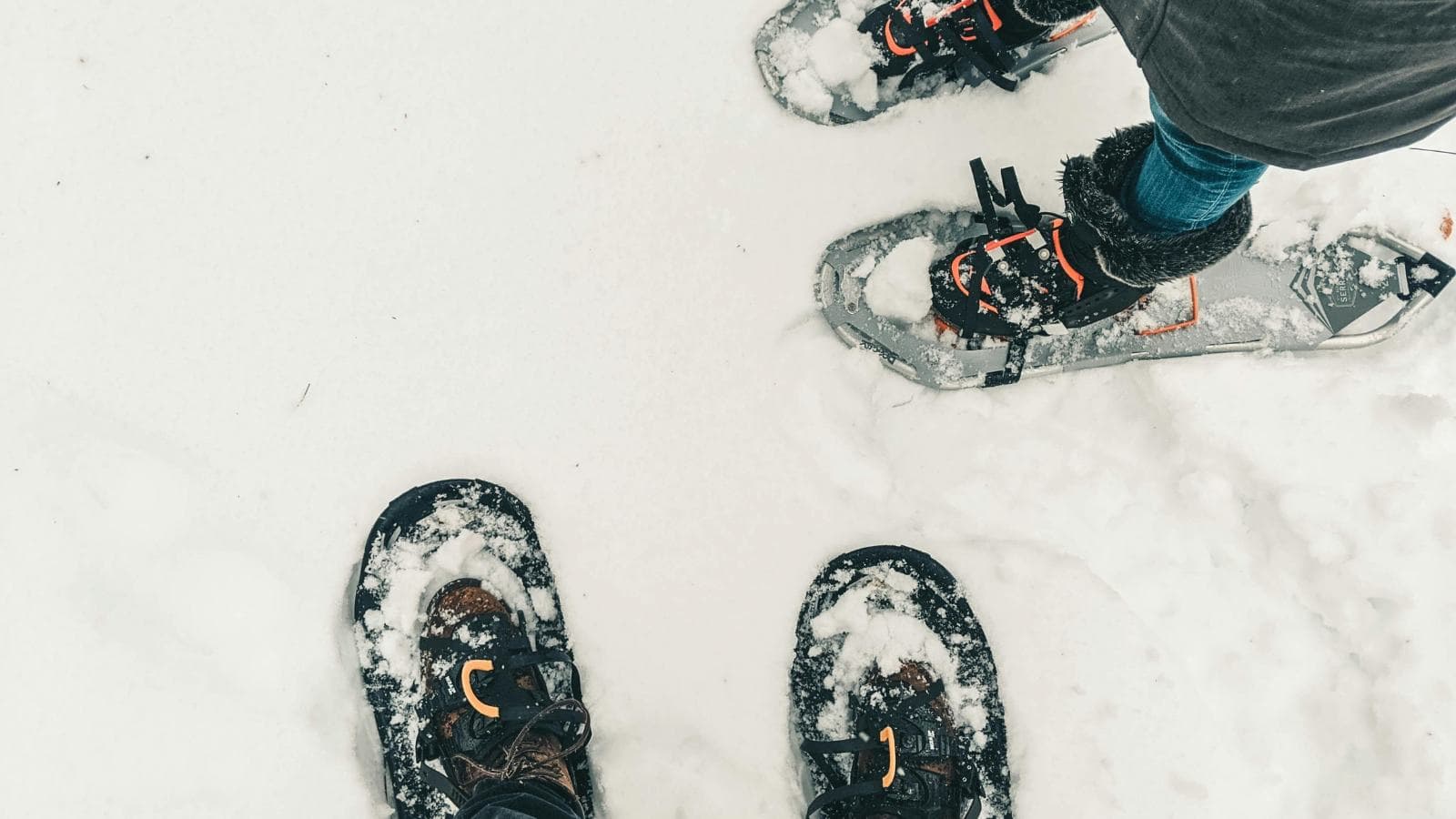
Athletes who understand morning workouts for marathon performance often perform better because they adjust effort levels rather than forcing pace targets. Flexibility is essential during snowshoe sessions.
Uphill Sections Are More Challenging
Climbing through snow requires considerably more energy than climbing on dry ground.
Many beginners find themselves:
- Breathing harder
- Fatiguing earlier
- Slowing significantly
This is normal. Walking steep sections is often more efficient than trying to run continuously. Even experienced snowshoe runners frequently alternate between:
- Running
- Power hiking
depending on terrain.
Balance Is a Learned Skill
Snow-covered terrain can be unpredictable.
Beginners may initially struggle with:
- Foot placement
- Stability
- Turning
Balance improves through:
- Repetition
- Exposure
- Confidence
Athletes improving through how to prevent running injuries often discover that balance development is an important part of off-road running in all conditions. Patience is key.
Trail Awareness Becomes More Important
Snow often hides:
- Rocks
- Roots
- Holes
- Uneven terrain
Visibility may not always reveal what lies beneath the surface.
Runners should:
- Stay alert
- Look ahead
- Avoid distractions
This awareness improves both safety and efficiency.
Fuel Longer Sessions Properly
Snowshoe running can burn significant amounts of energy.
Longer outings may require:
- Carbohydrates
- Fluids
- Electrolytes
Athletes who regularly train through avoiding training errors that slow down the running process understand that endurance activities become more sustainable when fueling strategies support the workload. Proper nutrition supports both performance and recovery.
Don’t Compare Yourself to Summer Fitness
Many runners become frustrated because winter paces are slower.
Snowshoe running is not a direct comparison to:
- Road running
- Trail running
- Track workouts
The resistance of snow creates a completely different training stimulus. Fitness gains often occur even when pace appears slower. Trust the process.
Recovery Is Especially Important
Snowshoe running often creates more muscular fatigue than expected.
Recovery should include:
- Sleep
- Hydration
- Nutrition
- Mobility work
Athletes improving through how to recover faster after running often adapt better because they support recovery as seriously as they support training. The extra muscular demands of snow require adequate recovery.
Weather Conditions Can Change Quickly
Winter environments can become challenging unexpectedly.
Before heading out, check:
- Temperature
- Wind
- Snowfall
- Trail conditions
Preparation helps avoid unnecessary risk. Athletes who regularly follow avoiding zone 2 mistakes often understand that visibility and environmental awareness become even more important during winter training. Safety should always come first.
Common Beginner Snowshoe Running Mistakes
Many runners struggle initially because they:
- Focus too much on pace
- Overdress
- Choose difficult trails
- Skip hydration
- Ignore recovery
- Use unsuitable snowshoes
- Increase volume too quickly
- Compare winter and summer performance
Most of these issues disappear with experience and realistic expectations.
Practical Tips for Getting Started
Beginners can enjoy snowshoe running more successfully by:
- Starting on packed trails
- Running by effort
- Dressing in layers
- Building volume gradually
- Staying hydrated
- Learning proper technique
- Using running-specific snowshoes
- Prioritising safety
Snowshoe running offers a fantastic way to stay active during winter while developing strength, endurance, and resilience. For runners willing to adapt their expectations and embrace the unique challenges of snow-covered trails, it can become one of the most rewarding forms of winter training.
FAQs
Snowshoe running involves running on snow-covered terrain using lightweight snowshoes designed for running.
Yes. Snow increases resistance and energy expenditure significantly.
Running-specific snowshoes generally provide a better experience than recreational hiking models.
Snow conditions increase effort and reduce running efficiency.
Absolutely. Starting on packed trails and progressing gradually works well.
Beginners usually find packed snow easier and more enjoyable.
Yes. It can improve aerobic endurance, strength, and overall conditioning.
Use moisture-wicking layers and avoid overdressing.
Comparing snowshoe-running pace to normal running pace and expecting similar performance.