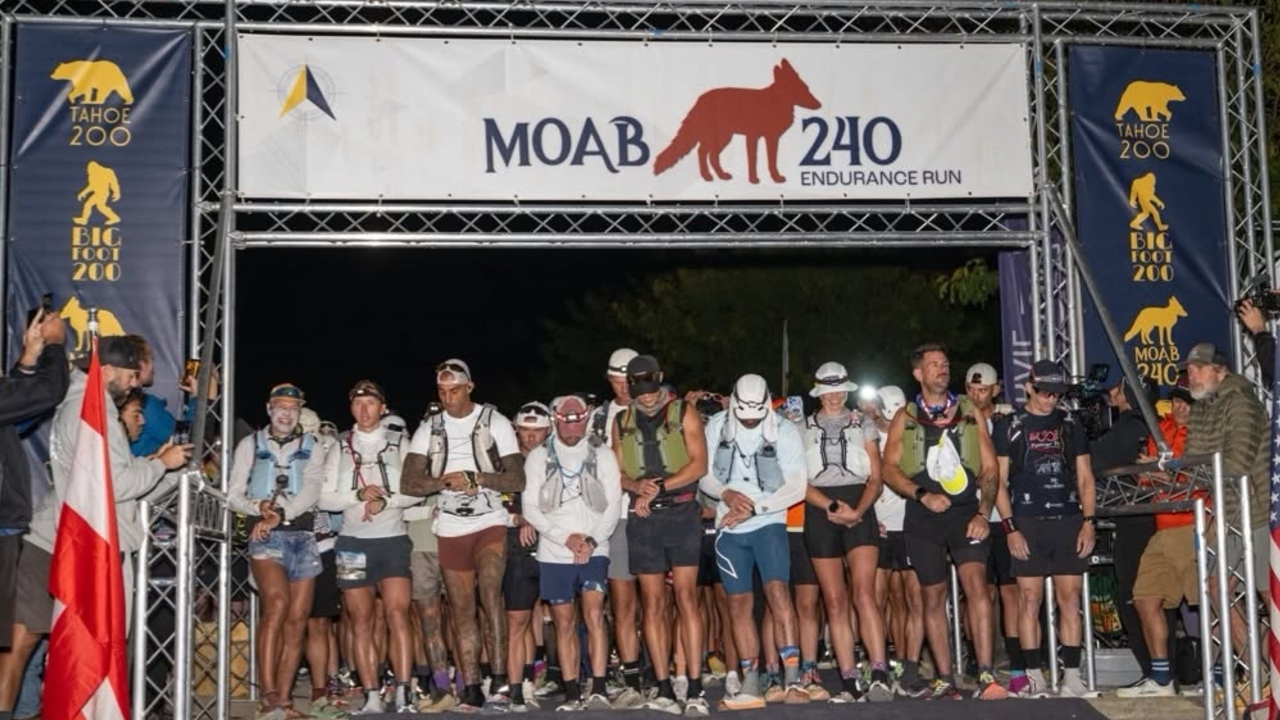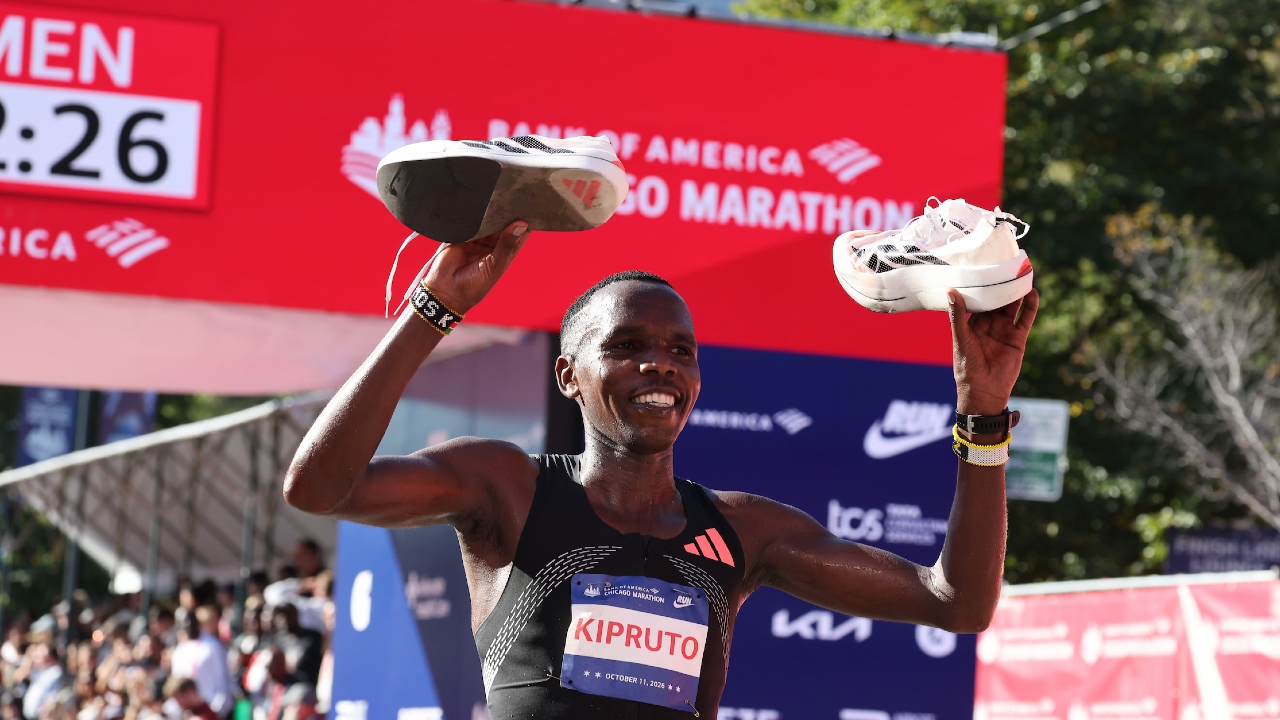
You can carry your own fluids, rely on race aid stations, or combine both approaches. There is no single best strategy for every runner because race distance, weather, aid station spacing, pace, sweat rate, and personal preferences can all affect how much fluid you need and when you want it. Aid stations are convenient because you do not need to carry as much weight. They work particularly well when stations are frequent and provide drinks you have already tested during training. Carrying your own fluids gives you more control. You can drink when you want, use a familiar drink, and avoid depending completely on the course, but bottles, belts, or hydration vests add weight and may affect comfort. The best choice is the simplest system that reliably meets your needs. Check the race information before deciding, practice your strategy during training, and avoid drinking excessive amounts simply because fluid is available.
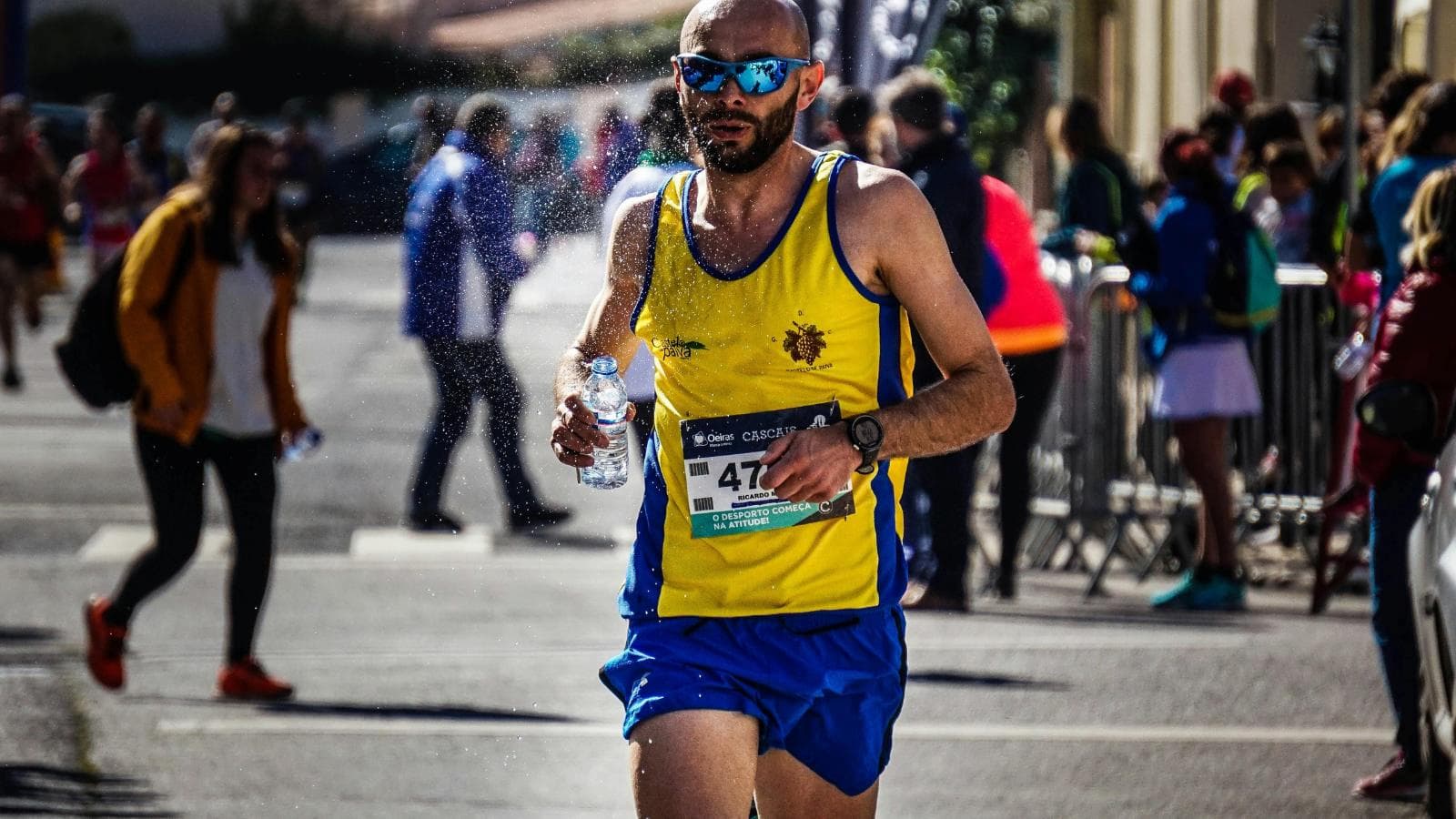
In Short
- Check aid station locations before racing.
- Find out what drinks the race provides.
- Carry fluids if stations are too far apart.
- Use familiar drinks whenever possible.
- Consider weather and race duration.
- Avoid carrying more than you need.
- Practice drinking while running.
- Do not wait for severe thirst.
- Avoid excessive fluid intake.
- Combine carrying and aid stations when useful.
When Are Aid Stations Enough?
Aid stations may be sufficient when they are frequent enough to support your planned drinking strategy.
Before race day, check:
- Station locations.
- Distance between stations.
- Available drinks.
- Cup or bottle format.
- Electrolyte options.
- Course rules.
Do not simply assume water will appear whenever you need it. Building a hydration strategy for runners before race day helps you decide whether the course support actually matches your expected needs.
When Should You Carry Your Own Fluids?
Carrying fluid becomes more useful when you want greater control.
Consider it when:
- Aid stations are widely spaced.
- Weather is expected to be hot.
- You need a specific drink.
- You prefer frequent smaller drinks.
- You have practiced carrying fluid.
- The course has limited support.
Longer races make planning particularly important because small hydration mistakes can accumulate over several hours.
Race Distance Changes the Decision
A short road race and an ultramarathon require very different hydration planning. During shorter races, some runners may need little or no fluid depending on duration and conditions. During longer events, you may need access to fluid repeatedly.
Marathon runners should consider:
- Expected finishing time.
- Temperature.
- Humidity.
- Aid station spacing.
- Personal drinking habits.
Your strategy should support the race rather than automatically copying what another runner carries.
Hot Weather May Increase Fluid Needs
Hot conditions generally increase sweating and can make fluid planning more important.
You may need to:
- Drink more frequently.
- Slow your pace.
- Use more aid stations.
- Carry additional fluid where appropriate.
However, drinking more does not mean drinking as much as physically possible. If conditions are hot, should you slow down when running in hot weather can help you manage overall effort alongside your hydration plan.
Why Carrying Fluids Can Be Useful?
The biggest advantage is control.
You decide:
- What you carry.
- How much you carry.
- When you drink.
- How frequently you drink.
This is useful for runners with a well tested hydration plan.
It also means you are less affected if an aid station is crowded or if the available sports drink is different from what you expected.
Why Carrying Too Much Can Be a Problem
More fluid means more weight. A large hydration vest or several bottles may be unnecessary for a well supported road race.
Excess equipment can also:
- Bounce.
- Rub.
- Feel hot.
- Restrict movement.
- Create pressure points.
Carry what serves a clear purpose. If you drink repeatedly during long races, understanding hyponatremia in runners can help you adjust it before the problem becomes painful.
Benefits of Using Aid Stations
Race aid stations allow you to run without carrying all your fluid from the start.
Benefits include:
- Less weight.
- Less equipment.
- Easy access to water.
- Potential access to sports drinks.
- Opportunities to refill bottles.
For many road races, this is the simplest option.
But it only works well when you know what the race provides.
Find Out What Sports Drink Is Available
If you plan to use the race sports drink, identify the product before race day when possible.
Then test it during training.
A new drink may cause:
- Stomach discomfort.
- Unfamiliar sweetness.
- Difficulty drinking at race intensity.
The same principle applies to gels and other fuel. Following how to train your gut for marathons and ultras can help you practice race nutrition rather than asking your digestive system to handle unfamiliar products on race morning.
Do Not Confuse Hydration With Fueling
Water provides fluid but not necessarily the carbohydrate required during a long race.
You may need separate sources of energy such as:
- Gels.
- Chews.
- Sports drinks.
- Other tolerated race foods.
Plan hydration and fueling together. If you are preparing for longer events, how to eat during long runs can help you coordinate carbohydrate intake with the fluid available on the course.
Avoid Drinking Too Much
More fluid is not always safer. Excessive drinking can contribute to exercise associated hyponatremia, where blood sodium concentration becomes dangerously low. Do not repeatedly force down large amounts of fluid because you are afraid of dehydration.
Your strategy should consider:
- Thirst.
- Conditions.
- Duration.
- Individual sweat losses.
- Previous experience.
Carrying a large bottle does not mean you must finish it as quickly as possible.
Practice Aid Stations During Training
Aid station technique can be practiced.
If you expect to use cups:
- Slow slightly if necessary.
- Take the cup securely.
- Avoid sudden sideways movement.
- Drink without rushing.
- Dispose of the cup appropriately.
Walking briefly through an aid station may be worthwhile for some runners if it allows them to drink comfortably without significantly affecting their overall race.
Practice Carrying Fluids Too
If you plan to race with a bottle, belt, or vest, use it during training.
Check:
- Fit.
- Bounce.
- Accessibility.
- Chafing.
- Weight.
- Ease of drinking.
Do not buy a hydration vest shortly before a marathon and assume it will remain comfortable for several hours. Long training runs are the best place to expose these problems. Following how to run longer distances without burning out gives you repeated opportunities to test equipment under conditions closer to race day.
Consider a Combined Strategy
You do not always need to choose exclusively between carrying fluid and using aid stations.
A combined strategy can work well.
For example:
- Start with a small bottle.
- Refill at aid stations.
- Carry your preferred drink.
- Use course water as additional fluid.
This can provide control without requiring you to carry your entire race supply from the start.
Trail and Ultra Races Need More Planning
Trail races can have much larger gaps between aid stations than road events. Some races also require mandatory carrying capacity.
Before entering a long trail race, check:
- Aid station distances.
- Water availability.
- Mandatory equipment.
- Refill opportunities.
- Terrain between stations.
For longer trail events, how to use aid stations efficiently during trail races can help you plan what to collect without spending unnecessary time at each stop.
Match Your Strategy to Your Pace
Two runners on the same course may have very different needs because one spends much longer between aid stations. Consider time rather than distance alone. A five mile gap may be manageable for a faster runner but represent a much longer period without fluid for someone moving more slowly. This becomes increasingly important when learning how to pace a 5k 10k half marathon marathon, because your expected race duration affects both pacing and hydration planning.
Fuel and Hydration Should Be Practiced Together
Your fluid intake can affect how comfortably you tolerate gels and other concentrated carbohydrate sources.
Use long runs to test:
- Fluid timing.
- Gel timing.
- Sports drinks.
- Total carbohydrate.
- Stomach comfort.
Do not build separate plans that you have never tested together. If energy problems repeatedly appear late in long races, how to avoid bonking when running can help you determine whether inadequate fueling rather than hydration is the main issue.
Make a Race Specific Plan
Your hydration strategy should change when the race changes.
Review:
- Forecast.
- Course support.
- Race duration.
- Aid station spacing.
- Drink availability.
Do this before race morning.
If the race becomes substantially hotter than expected, your pace and fluid strategy may both need adjustment.
Common Mistakes
- Assuming every aid station provides the same drinks.
- Carrying excessive fluid without a reason.
- Trying a new sports drink during the race.
- Ignoring aid station spacing.
- Drinking excessively at every station.
- Forgetting that fueling and hydration are different.
- Using an untested hydration vest.
- Copying another runner’s drinking strategy.
- Waiting until race morning to make a plan.
Practical Tips
- Read the race guide.
- Check aid station spacing.
- Test the available sports drink.
- Practice carrying your chosen equipment.
- Consider expected race duration.
- Adjust for hot conditions.
- Combine carrying and course support when useful.
- Practice drinking while running.
- Avoid unnecessary overdrinking.
Actionable Takeaways
- Use aid stations when they reliably meet your needs.
- Carry fluids when you need more control.
- Practice the exact strategy before race day.
- Match drinking to conditions and individual needs.
Before longer races, how to fuel in the final week before a marathon can also help you separate pre race preparation from the fueling and hydration decisions you need to make once the race begins.
FAQs
Not necessarily. If aid stations are frequent enough for your needs, you may not need to carry your own water.
Neither is automatically better. Choose based on aid station spacing, race duration, weather, and your hydration needs.
Check the official race guide, course map, or athlete information before race day.
Not automatically. Drink according to your needs and conditions rather than treating every station as mandatory.
You may choose to if they are part of a hydration strategy you have practiced and the course does not provide what you need.
Yes, if their locations and available drinks match the strategy you have practiced.
A vest can be useful when aid stations are widely spaced or you need greater carrying capacity, especially during longer trail races.
Yes. Excessive fluid intake can be dangerous and can contribute to exercise associated hyponatremia.