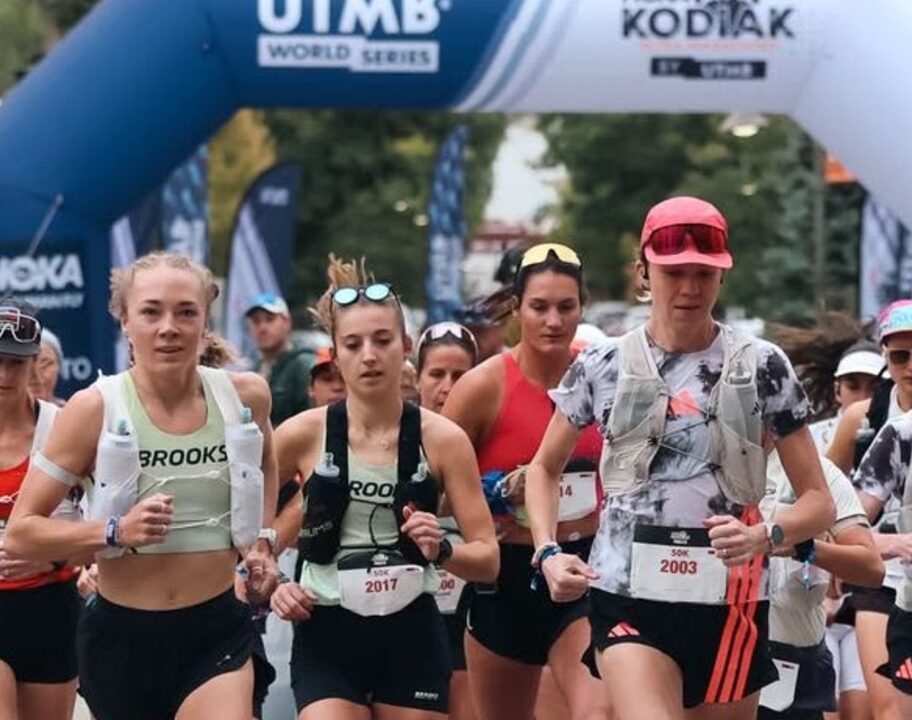



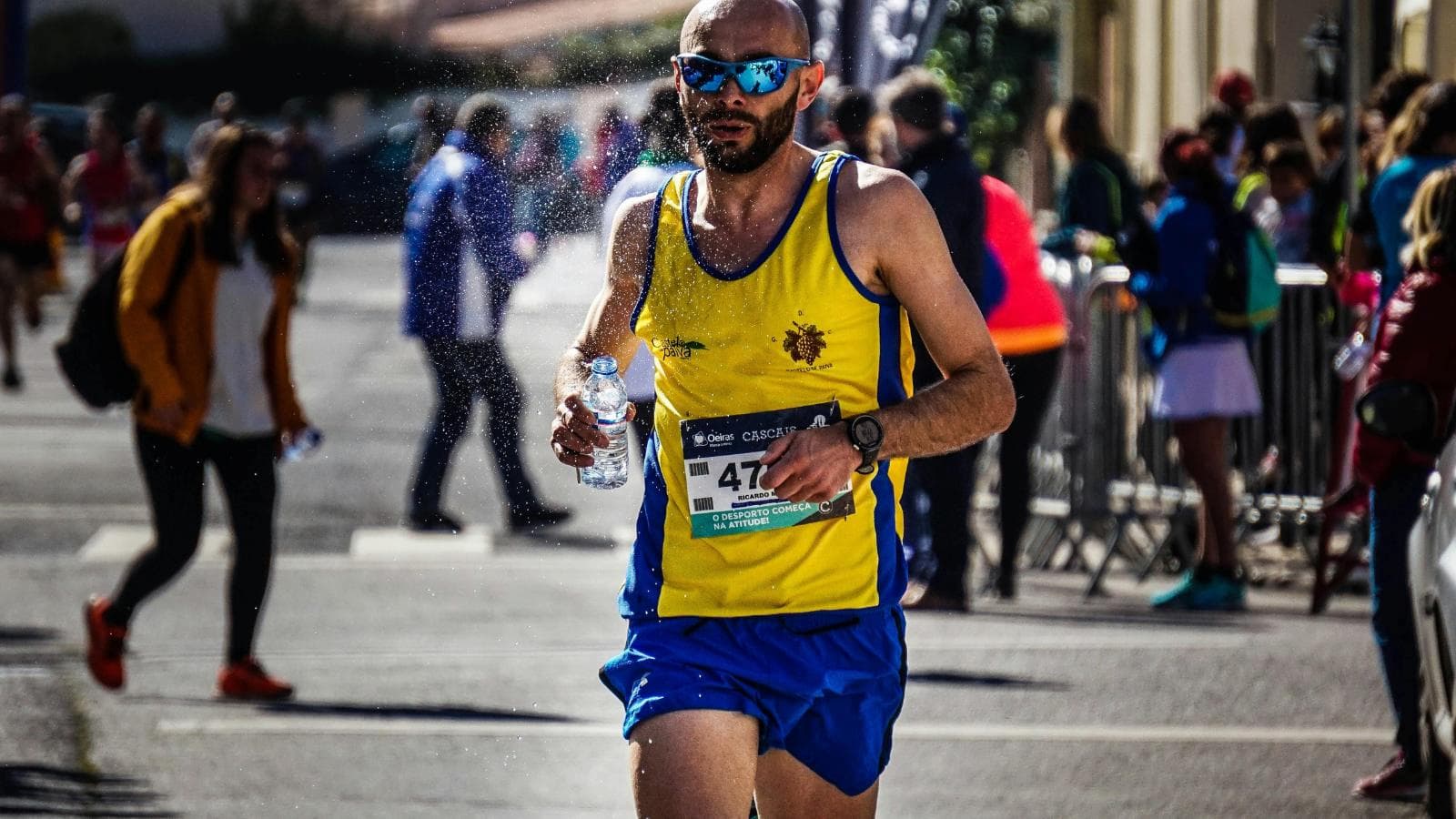
Hyponatremia in runners is a condition in which the concentration of sodium in the blood becomes abnormally low during or after exercise. In endurance sport, it is commonly called exercise-associated hyponatremia, or EAH. The major cause is excessive fluid intake relative to fluid losses. Drinking large quantities of water or sports drink can dilute the sodium in the blood when the body cannot eliminate the excess fluid quickly enough. This makes hyponatremia different from dehydration. A runner can develop hyponatremia while actually gaining weight during a race because they have consumed more fluid than they have lost. Mild symptoms can be difficult to recognize, while severe hyponatremia is a medical emergency. Runners should therefore understand that hydration is about avoiding both too little and too much fluid.
In Short
- Hyponatremia means blood sodium concentration is too low.
- Exercise-associated hyponatremia can occur during or after prolonged running.
- Excessive fluid intake is the major preventable cause.
- Both plain water and sports drinks can contribute if consumed excessively.
- Longer events generally provide more opportunity to overdrink.
- Symptoms can resemble dehydration or heat illness.
- Headache, nausea, bloating, and confusion can occur.
- Serious neurological symptoms require emergency medical care.
What Is Exercise Associated Hyponatremia?
Sodium is an important electrolyte involved in fluid balance, nerve signaling, and muscle function. Hyponatremia occurs when sodium concentration in the blood falls below the normal range. In exercise associated hyponatremia, this happens during exercise or within the period shortly afterward. For runners, the condition is most relevant during prolonged events such as marathons and ultramarathons. It is important to understand that the problem is not simply “losing too much salt.” A runner who repeatedly drinks more than they are losing through:
- Sweat
- Urine
- Other routes
can retain enough excess water to dilute blood sodium.
Drinking Too Much Is the Main Preventable Cause
Many runners have traditionally been told to drink frequently to avoid dehydration. The problem occurs when that advice is interpreted as drinking as much as possible. The human body cannot necessarily remove excess water at the same rate it is being consumed during prolonged exercise. If fluid intake continually exceeds fluid losses, body water increases and sodium concentration can fall. This is why an effective hydration strategy for runners should not be based on forcing large amounts of fluid simply because an aid station is available.
More hydration is not automatically better hydration.
Sweat Sodium Loss Also Plays a Role
Runners lose both water and electrolytes through sweat. The amount of sodium lost varies substantially between individuals and depends partly on sweat rate and sweat sodium concentration. However, sweat loss alone does not explain most cases of exercise-associated hyponatremia. The larger problem generally develops when fluid intake is excessive relative to fluid loss, combined with the body’s temporary tendency to retain water during prolonged exercise.
A runner can therefore lose sodium through sweat while simultaneously becoming overhydrated.
Why Long Races Increase the Risk
Longer events provide more time to consume excessive fluid. A runner who drinks slightly more than necessary for one hour may not develop a problem. Repeating that behavior for many hours can create a progressively larger fluid surplus. This is particularly relevant to marathon and ultramarathon runners. Athletes following how to fuel and hydrate for an ultramarathon should plan both nutrition and fluid intake without assuming that constant drinking is necessary. Slower competitors can also be exposed for longer periods and may encounter more opportunities to drink at aid stations.
What Symptoms Can Hyponatremia Cause?
Early symptoms can be nonspecific. A runner may experience:
- Headache
- Nausea
- Vomiting
- Bloating
- Dizziness
- Unusual fatigue
- Generally feel unwell
As the condition becomes severe, neurological symptoms can develop because excess water causes cells, including brain cells, to swell.
- Confusion
- Altered mental state
- Seizures
- Breathing problems
- Loss of consciousness
- Coma
are emergency warning signs. Because some symptoms overlap with:
- Dehydration
- Heat illness
- Exhaustion
- Other medical problems
runners should not attempt to diagnose a severe case themselves during a race.
Hyponatremia Can Look Like Dehydration
This overlap creates an important danger. A runner who feels sick, dizzy, or weak may assume dehydration is responsible and drink more. If the real problem is hyponatremia caused by excessive fluid consumption, additional drinking may make the situation worse. This is one reason runners should understand how to avoid bonking when running separately from hydration problems.
- Low energy availability
- Dehydration
- Heat illness
- Hyponatremia
can all affect performance, but they are not the same condition and require different responses.
Severe symptoms require professional medical assessment.
Body Weight Can Provide Useful Information
During long events, a runner who finishes heavier than they started has clearly retained more fluid than they lost overall. That can be an important warning sign for overhydration. Some reduction in body weight during prolonged exercise can occur because fuel and fluid stores are being used and sweat is being lost. The goal should not be to replace every gram of body weight lost while running. Trying to maintain exactly the same body weight by aggressively drinking can encourage excessive fluid intake.
Does Sodium Prevent Hyponatremia?
Sodium intake can be useful during prolonged exercise, particularly for athletes with substantial sweat losses, but sodium alone does not make excessive drinking safe. Taking salt tablets while continuing to consume far more fluid than you lose does not reliably eliminate the risk of exercise associated hyponatremia. Runners should practice their race strategy during training rather than experimenting with large quantities of:
- Water
- Sports drink
- Sodium
on race day. The same preparation principle applies to how to train your gut for marathons and ultras, where nutrition and hydration strategies are developed gradually before competition.
Should You Drink to Thirst?
For many runners, thirst provides a useful physiological signal for guiding fluid intake during exercise. Drinking when thirsty can reduce the likelihood of deliberately consuming more fluid than the body needs. This is different from intentionally restricting fluid.
- Hot conditions
- Long events
- Individual sweat rates
- Access to aid stations
still need consideration. The goal is to avoid both extremes: becoming excessively dehydrated and forcing fluid beyond your needs. Runners should also understand what to eat during long runs because hydration and fueling need to work together during endurance events.
Heat Does Not Mean You Should Drink Without Limit
Hot weather increases sweat losses and often increases fluid requirements. That does not remove the risk of overhydration. Some runners respond to heat by drinking at every possible opportunity, regardless of thirst or actual fluid losses. A better approach is to develop an individualized strategy during training.
Understanding how to beat dehydration during a marathon can help runners manage hotter conditions while recognizing that preventing dehydration does not mean replacing unlimited amounts of fluid.
Aid Stations Can Encourage Overdrinking
Frequent aid stations make hydration convenient, but runners do not need to drink simply because fluid is available. This is particularly important during long events with aid stations every few kilometers. Use them according to your needs and race plan. Runners who understand how can you use aid stations efficiently in trail running can make deliberate decisions about fluid, fuel, and time rather than automatically consuming something at every stop. Race organization should support hydration, but the athlete still needs to regulate intake.
Practice Your Strategy Before Race Day
Fluid needs vary between runners.
- Weather
- Body size
- Pace
- Sweat rate
- Clothing
- Race duration
- Individual physiology
all influence how much fluid you lose. Training provides an opportunity to learn how your body responds. Observe thirst, approximate fluid intake, environmental conditions, and changes in body weight during longer sessions where practical. Your strategy should also fit your overall race preparation. How to fuel in the final week before a marathon can help ensure that last-minute attempts to “hydrate as much as possible” do not replace a sensible established plan.
Avoid deliberately drinking excessive water in the days or hours before a race.
When Is Hyponatremia an Emergency?
Severe neurological symptoms should be treated as a medical emergency.
- Confusion
- Seizures
- Loss of consciousness
- Major changes in behavior
- Serious breathing difficulty
during or after an endurance event require immediate medical attention. Do not simply encourage a confused runner to drink more water. Race medical teams need to distinguish between possible:
- Hyponatremia
- Dehydration
- Heat illness
- Low blood glucose
- Other causes of collapse or altered mental state
If symptoms are severe, stop running and seek emergency assistance.
Common Mistakes
- Drinking at every aid station regardless of thirst.
- Assuming more fluid is always safer.
- Believing sports drinks completely prevent hyponatremia.
- Trying to replace every gram of body weight lost.
- Confusing hyponatremia with dehydration.
- Taking sodium while continuing to overdrink.
- Testing a new hydration strategy on race day.
- Drinking excessive water before the race begins.
- Ignoring confusion or neurological symptoms.
Practical Tips
- Develop your hydration strategy during training.
- Avoid forcing fluid when you are not thirsty.
- Consider race duration and weather conditions.
- Learn how your body responds during long runs.
- Do not assume every performance problem is dehydration.
- Practice nutrition and hydration together.
- Avoid excessive pre-race water consumption.
- Use aid stations according to need rather than habit.
- Seek immediate medical help for severe neurological symptoms.
Actionable Takeaways
Exercise-associated hyponatremia occurs when blood sodium concentration becomes abnormally low during or shortly after exercise. For endurance runners, excessive fluid consumption relative to fluid loss is the most important preventable cause. The condition should not be confused with dehydration. Drinking large amounts of water or sports drink can increase risk if intake continually exceeds what the body is losing. Sodium products do not make unlimited fluid consumption safe.
Practice hydration during training, respond appropriately to thirst, and avoid forcing fluid simply because it is available. Most importantly, recognize severe warning signs. Confusion, seizures, loss of consciousness, or other significant neurological changes during or after a race require urgent medical attention.
FAQs
The major preventable cause is consuming more fluid than the body loses during prolonged exercise, which can dilute blood sodium.
Yes. Excessive water intake during prolonged exercise can contribute to dangerously low blood sodium.
They can contribute if consumed in excessive quantities. Their electrolyte content does not make overdrinking safe.
Symptoms can include headache, nausea, vomiting, bloating, fatigue, confusion, seizures, and loss of consciousness.
Not reliably if a runner continues to consume excessive fluid. Managing overall fluid intake remains essential.
Yes. Marathon and ultramarathon runners can be at risk because prolonged events provide more time and opportunities to overconsume fluid.
Not automatically. Fluid intake should reflect individual needs, conditions, thirst, and a practiced hydration strategy.