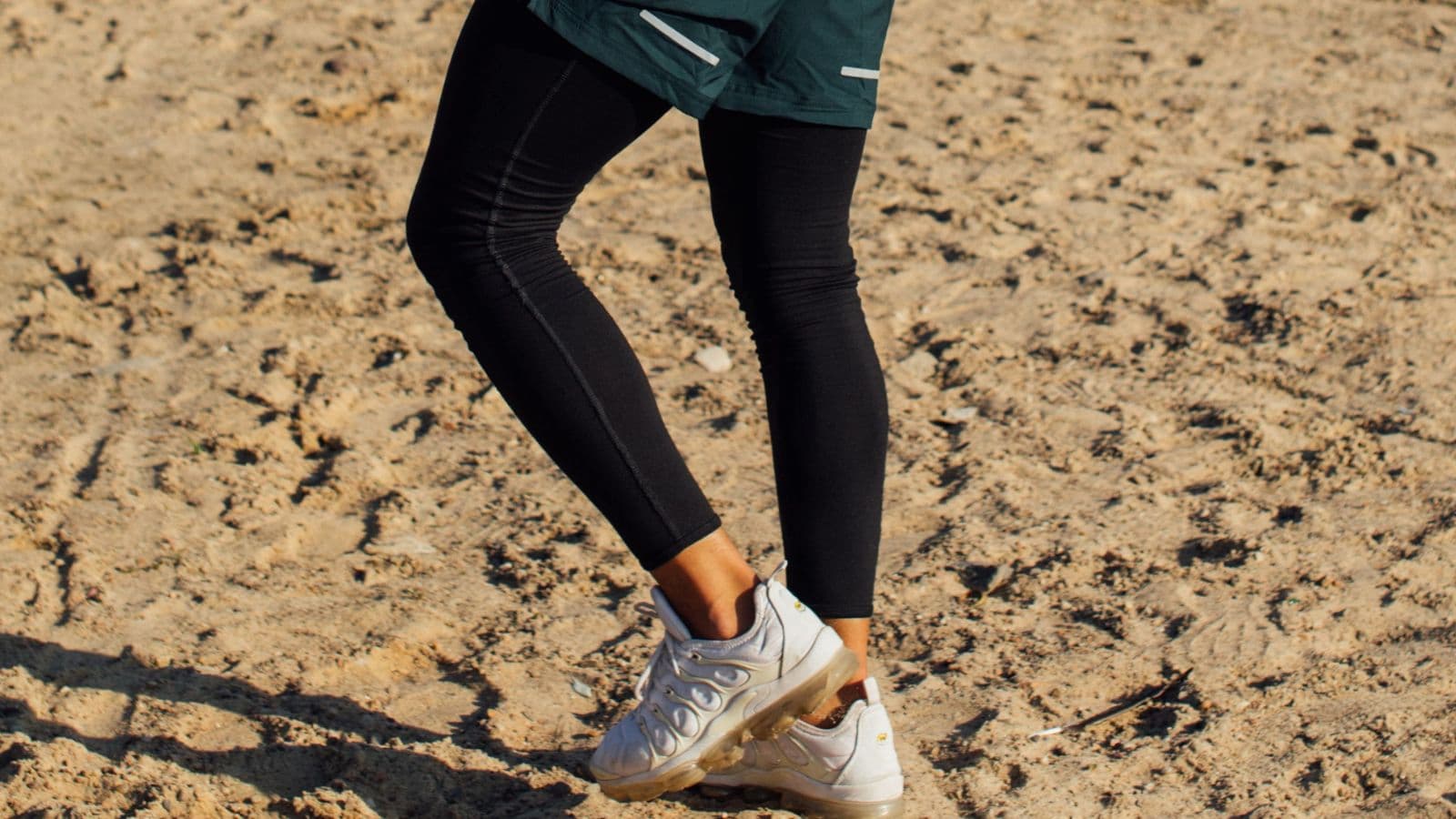



Compression tights can be useful for trail running, but they are not a shortcut to faster or injury free running. Their main appeal is a close, supportive fit that some runners find comfortable during long runs, cold conditions, technical terrain, and recovery. Compression clothing applies pressure around the legs. Depending on the product, this pressure may be stronger around certain areas and gradually change farther up the leg. Some runners report less muscle movement and a more supported feeling when wearing tights. Research into clear performance improvements during running, however, has produced mixed results. For trail runners, the practical question is therefore not whether compression tights are essential. It is whether they improve comfort, temperature management, or recovery enough to justify wearing them.

In Short
- Compression tights are optional for trail running.
- They may provide a supportive feeling around the legs.
- Evidence for major performance improvements is limited.
- Some runners find them useful for recovery.
- They can provide warmth in cold conditions.
- Correct sizing is important.
- Excessively tight clothing can become uncomfortable.
- Training, recovery, fueling, and strength matter more than compression clothing.
What Compression Tights Actually Do
Compression tights are designed to fit more tightly than ordinary running tights. The pressure can reduce how much soft tissue moves with each foot strike. Some runners describe this as making their legs feel more supported, particularly during long or technical runs. This does not mean the tights are physically stabilizing your joints in the way a brace might. Trail stability still depends heavily on strength, coordination, terrain awareness, and experience. Runners struggling with footing should focus on how can you improve stability while trail running rather than expecting clothing to correct poor balance.
Performance Benefits Are Usually Small
A runner might still perform better if the tights improve subjective comfort, warmth, or confidence, but that is different from compression directly making the runner faster. Your training remains far more important. Aerobic fitness, appropriate pacing, and why is consistency more important than intensity for running success will have a much greater influence on long term trail running performance.
Compression May Help With Recovery
Recovery is one area where compression clothing may be more useful. Some runners report reduced feelings of muscle soreness after hard training or racing when compression garments are worn during recovery. This does not mean compression tights repair muscle damage immediately.
Think of them as one possible recovery tool alongside:
- Sleep.
- Adequate food.
- Hydration.
- Easy movement.
- Rest.
- Sensible training progression.
After demanding descents, how to reduce muscle soreness after downhill running is particularly relevant because eccentric loading can leave the quadriceps significantly sore regardless of what clothing you wear. Compression should complement recovery, not replace it.
Useful for Long Trail Runs
Some runners prefer compression tights during long trail sessions because the close fit feels supportive as fatigue develops. Long runs can expose small comfort problems that are barely noticeable during shorter sessions.
Compression tights may help by:
- Reducing loose fabric movement.
- Providing consistent coverage.
- Preventing some inner thigh chafing.
- Keeping muscles warm.
- Providing a secure feeling.
However, tight clothing can create its own problems if sizing is poor. For longer outings, how can you run longer without feeling exhausted depends far more on aerobic fitness, pacing, fueling, and training progression than on compression garments.
Cold Weather Is a Strong Use Case
Compression tights can be particularly practical in cold weather. Full length tights cover the legs while remaining close enough to the skin that loose fabric does not flap around during running. Depending on fabric thickness, they may help maintain warmth without requiring bulky clothing.
They can be useful during:
- Cold morning runs.
- Winter trail races.
- Exposed mountain routes.
- Windy conditions.
- Easy runs where your heat production is lower.
However, compression does not automatically make tights suitable for severe cold.
Material thickness and weather protection still matter.
They Can Provide Basic Trail Protection
Trail runners frequently encounter vegetation, branches, insects, dust, and loose debris. Full length tights create a basic physical layer over the skin. They may reduce minor scratches from light vegetation and protect more of the legs from direct sun exposure. Do not treat them as protective equipment against major falls, sharp rocks, or serious impacts. On technical terrain, what should you know before your first trail run is much more important than relying on clothing to protect you from environmental hazards.
Choose clothing for the actual trail conditions.
Compression Does Not Prevent Every Injury
One of the biggest misconceptions is that tight clothing automatically reduces injury risk. There is not strong evidence that compression tights prevent the broad range of injuries trail runners experience.
Injury risk can be influenced by:
- Training load.
- Previous injuries.
- Strength.
- Recovery.
- Running volume.
- Terrain.
- Fatigue.
- Training progression.
Following what muscle imbalances commonly cause injuries in trail runners can be more useful when addressing physical weaknesses than relying on compression clothing.
If you repeatedly develop pain, investigate the underlying cause.
Fit Matters More Than Maximum Compression
Tighter is not automatically better. Compression tights should feel secure without restricting normal running movement.
Poor fit can cause:
- Waistband pressure.
- Restricted hip movement.
- Skin irritation.
- Numbness or tingling.
- Excessive heat.
- Discomfort behind the knees.
- Chafing.
Follow the manufacturer’s sizing measurements rather than automatically buying a smaller size.
If you constantly notice the tights during your run, the fit may not be right.
Heat Can Make Them Uncomfortable
Full length compression tights are not ideal for every climate. In hot weather, some runners may find them unnecessarily warm. Heat management becomes particularly important during long trail races because the body is already producing substantial heat through exercise. Light shorts or less restrictive clothing may be more comfortable in warm conditions. This is personal. Test compression tights during training before deciding whether they work for your typical weather.

Technical Trails Require More Than Compression
Compression tights may make your legs feel supported, but they cannot improve technical trail skills on their own.
Descending safely requires:
- Balance.
- Appropriate speed.
- Quick foot placement.
- Terrain awareness.
- Strength.
- Confidence.
Runners who struggle on steep descents will gain more from practicing how can trail runners run downhill faster without losing control than from changing clothing. The same applies to climbing and uneven ground. Equipment can support trail running, but it cannot replace trail specific skill.
Do Compression Tights Help With Swelling?
Compression garments can influence circulation and fluid movement, which is one reason athletes sometimes use them during recovery. Some runners like wearing them after long races, particularly when their legs feel heavy. However, unexplained or significant swelling should not simply be treated with compression gear. If swelling is unusual, painful, one sided, persistent, or accompanied by other concerning symptoms, seek appropriate medical assessment. Do not use clothing to mask a problem you do not understand.
Wear Them During Running or Afterward?
Both approaches are possible.
During running, compression tights may provide:
- Warmth.
- Close fitting comfort.
- Reduced fabric movement.
- A subjective feeling of support.
After running, some runners use them for:
- Recovery comfort.
- Managing feelings of soreness.
- Supporting tired legs.
If your main goal is recovery, you may not need to wear them throughout the actual trail run.
Do Not Use Compression to Hide Fatigue
Feeling supported can be useful, but it should not encourage you to ignore excessive fatigue.
Fatigue can reduce:
- Foot placement accuracy.
- Balance.
- Reaction speed.
- Running form.
- Decision making.
Knowing when should you stop during a trail run is more important than using equipment to push through symptoms that suggest continuing is unsafe. Compression tights cannot restore exhausted muscles.
Strength Still Matters More
Trail running requires the legs to control movement in several directions. Strong calves, quadriceps, hamstrings, glutes, and trunk muscles help runners deal with climbs, descents, and uneven surfaces. Compression clothing cannot create that strength. A consistent program based around what strength routine should runners do to stay injury-free offers a more meaningful way to improve physical capacity. Compression tights can be an accessory.
Strength training is part of preparation.
Test Them Before Race Day
Never assume new compression tights will remain comfortable simply because they feel good when standing at home. Test them during actual trail runs.
Check for:
- Waistband comfort.
- Chafing.
- Hip movement.
- Temperature control.
- Pressure behind the knees.
- Fabric movement.
- Comfort after several hours.
Long races expose fit problems quickly. This becomes especially important when how to fuel and hydrate for an ultramarathon already gives you several other things to manage during an event.
Race clothing should be familiar and predictable.
Who May Benefit Most?
Compression tights may be worth trying if you:
- Prefer close fitting running clothing.
- Run regularly in cold weather.
- Want full leg coverage on overgrown trails.
- Find compression comfortable during long runs.
- Like wearing compression during recovery.
- Experience minor chafing with loose clothing.
They are less useful if you dislike tight clothing, regularly run in high temperatures, or expect them to produce a major performance improvement.
Personal comfort should guide the final decision.
Common Mistakes
- Buying tights that are too small.
- Expecting major performance gains.
- Treating compression as injury prevention.
- Wearing heavy tights in hot conditions.
- Trying new tights on race day.
- Assuming expensive tights are automatically better.
- Continuing to wear tights that cause chafing.
Practical Tips
- Follow the manufacturer’s sizing guide.
- Test tights on shorter runs first.
- Use full length tights in colder conditions.
- Check comfort behind the knees and waistband.
- Stop using them if they cause numbness.
- Compare running with and without compression.
- Choose comfort over maximum tightness.
Actionable Takeaways
Compression tights can be good for trail running, but they are optional rather than essential. Evidence for substantial improvements in running performance is much less convincing. Fit and conditions matter. Tights that are comfortable on a cold mountain run may feel unnecessarily hot during a summer trail race.
Do not expect compression clothing to compensate for poor training, weak trail skills, inadequate recovery, or injury. If you enjoy the feel of compression tights and they remain comfortable during long runs, there is little reason not to use them. If you run equally well without them, you are not missing an essential piece of trail running equipment.
FAQs
They are unlikely to produce a major direct performance improvement, although some runners find them more comfortable or supportive.
They may help some runners feel less sore after demanding exercise, but sleep, nutrition, hydration, and recovery time remain more important.
There is limited evidence that compression tights prevent common running injuries. Training load, strength, recovery, and previous injury are more important factors.
They can be if you find the close fit comfortable and want warmth or additional leg coverage.
They should feel snug and supportive without causing pain, numbness, restricted movement, or excessive pressure.
Yes. Full length compression tights can provide useful coverage and warmth, depending on the thickness and material.
Either is possible. Some runners prefer them during exercise for comfort, while others mainly use compression clothing during recovery.