


Barefoot running has attracted attention for years, with supporters claiming it promotes a more natural running style, strengthens the feet, and improves overall running mechanics. While some runners embrace it completely, others use barefoot running as a training tool rather than a full-time approach. The idea sounds simple: remove the shoes and run naturally. However, transitioning too quickly can lead to injuries if the body is not given time to adapt. For runners interested in exploring barefoot running, the key is understanding both the potential benefits and the risks before taking the first steps.
What Is Barefoot Running?
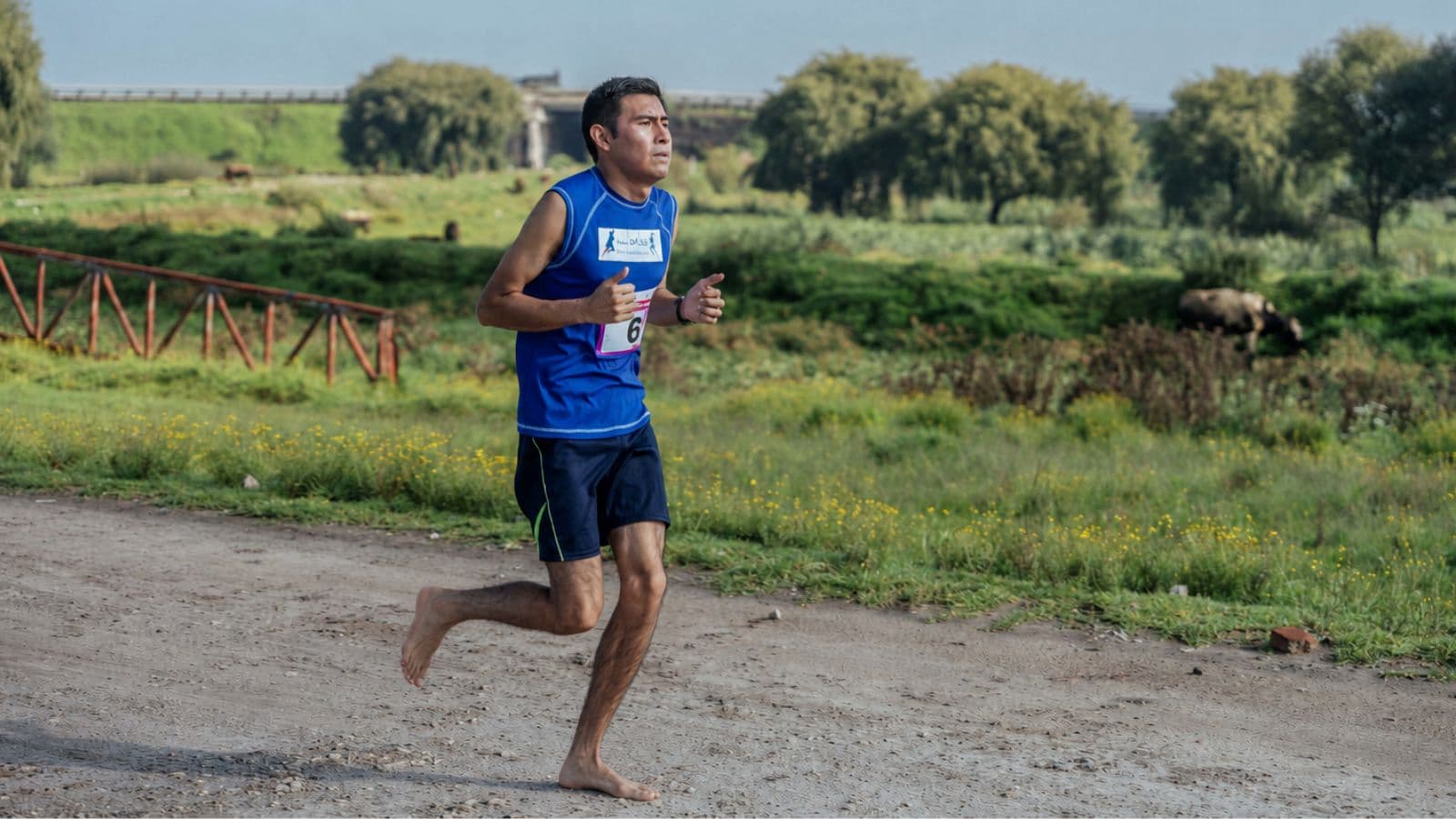
Barefoot running refers to running without traditional running shoes.
Some runners do this:
- Completely barefoot
- In minimalist footwear
- On grass
- On trails
- On beaches
- On tracks
The goal is often to allow the foot to move more naturally while reducing dependence on heavily cushioned shoes. Barefoot running changes how the body interacts with the ground and often alters running mechanics.
Why Do Some Runners Choose Barefoot Running?
People are drawn to barefoot running for different reasons.
Common motivations include:
- Strengthening the feet
- Improving balance
- Enhancing proprioception
- Developing a more natural stride
- Reducing reliance on footwear
Athletes who understand how does posture affect running performance often appreciate how movement quality can influence efficiency and comfort. Barefoot running encourages greater awareness of movement patterns.
Barefoot Running Changes Foot Strike
Many runners wearing traditional shoes land on their heels.
When barefoot, runners often naturally shift toward:
- Midfoot striking
- Forefoot striking
This adjustment may reduce some impact forces while increasing demands on the:
- Calves
- Achilles tendons
- Feet
The body distributes forces differently when shoes are removed.
Stronger Feet May Be a Benefit
Modern footwear provides significant support. While helpful, this support can reduce the workload placed on some foot muscles.
Barefoot running may help strengthen:
- Intrinsic foot muscles
- Arch-supporting structures
- Lower-leg stabilisers
Stronger feet can contribute to improved stability and movement control.
Proprioception Improves
Proprioception refers to the body’s awareness of position and movement. Without thick cushioning, runners receive more feedback from the ground.
This increased sensory input may help improve:
- Balance
- Coordination
- Foot placement
Athletes who understand how do arm swings improve running form know that efficient running often depends on coordination throughout the entire body.
Barefoot Running Is Not Risk-Free
While barefoot running offers potential benefits, it also carries risks.
Common problems include:
- Calf strains
- Achilles irritation
- Foot soreness
- Metatarsal stress injuries
- Plantar fascia irritation
Many injuries occur because runners transition too quickly. The body needs time to adapt.
Start Slowly
The biggest mistake beginners make is trying to replace all their running with barefoot running immediately.
A safer approach is to begin with:
- A few minutes at a time
- Soft surfaces
- Easy effort
Athletes who understand why you should stop in the middle of your run know that gradual adaptation often produces better long-term results than dramatic changes. Patience is critical.
Choose the Right Surface
Early barefoot sessions are often best performed on:
- Grass
- Smooth turf
- Clean sand
- Soft trails
These surfaces can reduce impact while allowing runners to become familiar with the sensation of running without shoes. Avoid rough or hazardous terrain during the learning phase.
Expect Your Calves to Work Harder
Barefoot running often increases demand on:
- Calves
- Achilles tendons
- Feet
Many runners notice soreness in these areas after initial sessions. This is normal to a degree, but excessive soreness may indicate that progression is occurring too quickly. Recovery remains important.
Focus on Technique
Rather than concentrating on speed, focus on:
- Light foot contacts
- Shorter strides
- Relaxed posture
- Smooth movement
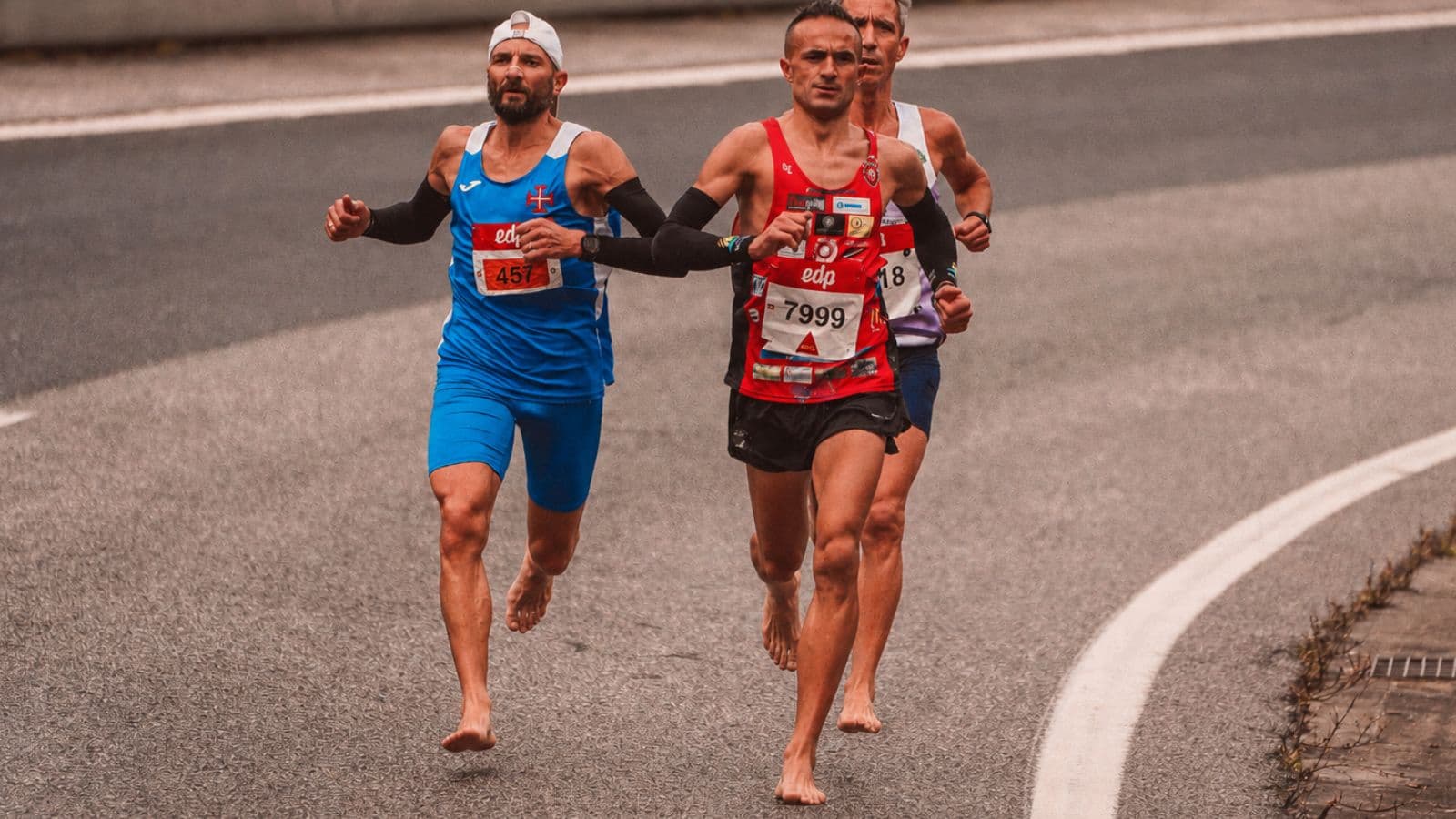
Athletes who understand how can runners prevent lightheadedness after workouts often appreciate that movement quality can be just as important as fitness. Efficiency matters.
Barefoot Running Is Not an All-or-Nothing Choice
Many runners assume they must fully commit.
In reality, some athletes use barefoot running only as:
- A drill
- A warm-up tool
- A foot-strengthening exercise
Even occasional barefoot running can provide benefits. There is no requirement to abandon traditional shoes entirely.
Listen to Your Body
Pain should never be ignored.
Warning signs include:
- Persistent soreness
- Sharp pain
- Swelling
- Altered gait
Athletes who understand how to prevent toe fungus during long runs know that addressing small problems early often prevents larger setbacks later.
Minimalist Shoes Can Provide a Middle Ground
Some runners prefer minimalist shoes as a transition option.
These shoes typically offer:
- Less cushioning
- Greater flexibility
- More ground feel
while still providing some protection. For many athletes, they serve as a practical stepping stone toward barefoot running.
Don’t Expect Instant Performance Gains
Barefoot running is often discussed as though it automatically improves speed.
In reality, most benefits come from:
- Gradual adaptation
- Improved foot strength
- Better body awareness
The process takes time. Athletes who understand how can runners improve longevity in ultrarunning know that long-term development usually matters more than quick fixes.
Other Endurance Athletes Use Similar Principles
The idea of improving movement efficiency through technique isn’t unique to running. Triathletes often focus on developing efficient movement patterns because small improvements can save significant energy over long distances. Athletes who understand how to avoid blowing up a race frequently recognise that body awareness and patience are essential when learning new skills or adapting to training changes.
Common Barefoot Running Mistakes
Many runners struggle because they:
- Transition too quickly
- Run too far initially
- Ignore soreness
- Focus on speed
- Choose poor surfaces
- Abandon recovery
- Change everything at once
- Expect immediate results
Most of these issues are avoidable.
How to Start Barefoot Running Safely?
Runners can begin safely by:
- Starting with short sessions
- Using soft surfaces
- Progressing gradually
- Monitoring soreness
- Focusing on technique
- Strengthening the feet
- Allowing adequate recovery
- Remaining patient
Barefoot running can be an interesting and valuable tool when approached carefully. The key is respecting the adaptation process and allowing the body time to develop the strength and resilience required for a different way of running.
FAQs
Barefoot running involves running without traditional running shoes or with very minimal footwear.
Not necessarily. It offers potential benefits but also comes with risks and requires gradual adaptation.
It may help strengthen foot muscles and improve foot function over time.
Start with very short sessions and gradually increase exposure.
It often encourages shorter strides and a midfoot or forefoot landing pattern.
Grass and other soft, clean surfaces are often good starting points.
Barefoot running often places greater demands on the calves and Achilles tendons.
Trying to do too much too soon without allowing the body to adapt.