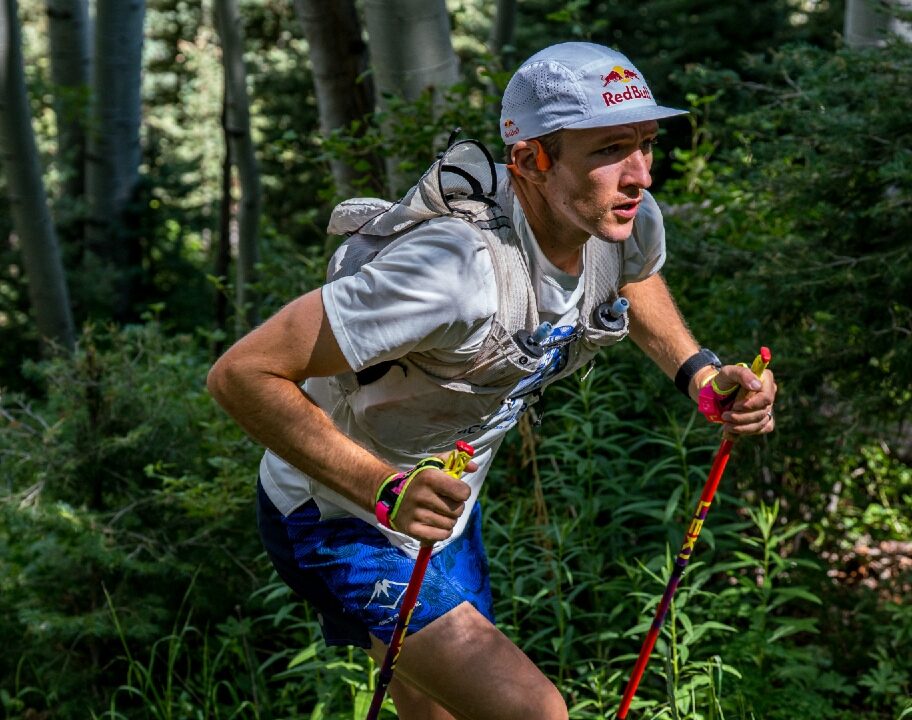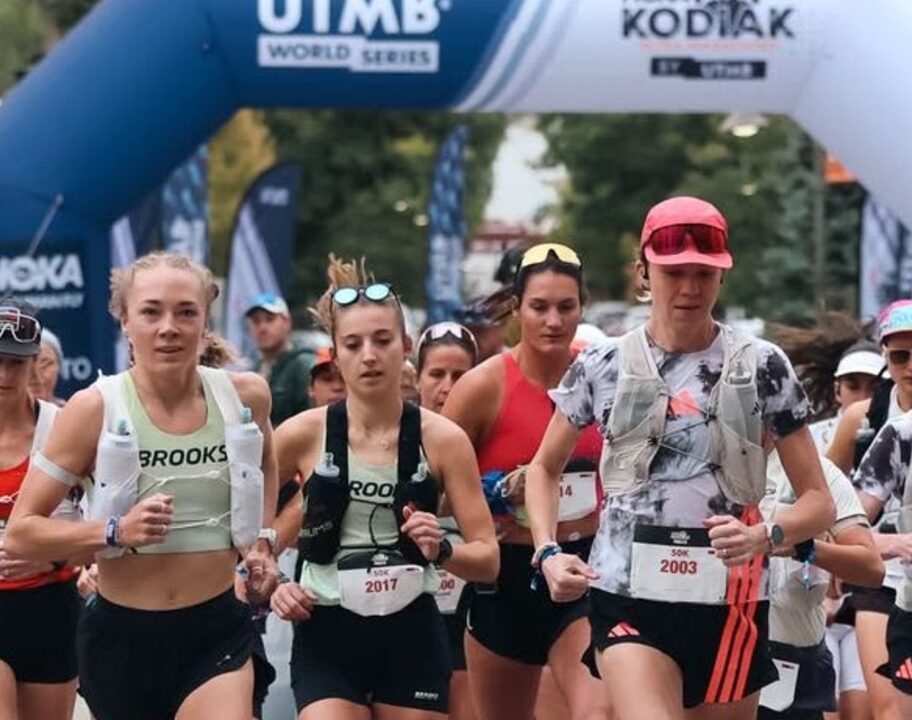


Running is usually associated with cardiovascular fitness, endurance, and calorie burning rather than muscle growth. As a result, many runners assume that building muscle and running are completely incompatible goals. The reality is more nuanced. While running is not the most effective way to maximise muscle mass compared to resistance training, certain types of running can contribute to muscle development, particularly in the lower body. The extent of those gains depends on factors such as training intensity, nutrition, recovery, and an athlete’s overall training programme. For trail runners, understanding the relationship between running and muscle growth can help them balance performance goals while maintaining strength and durability.
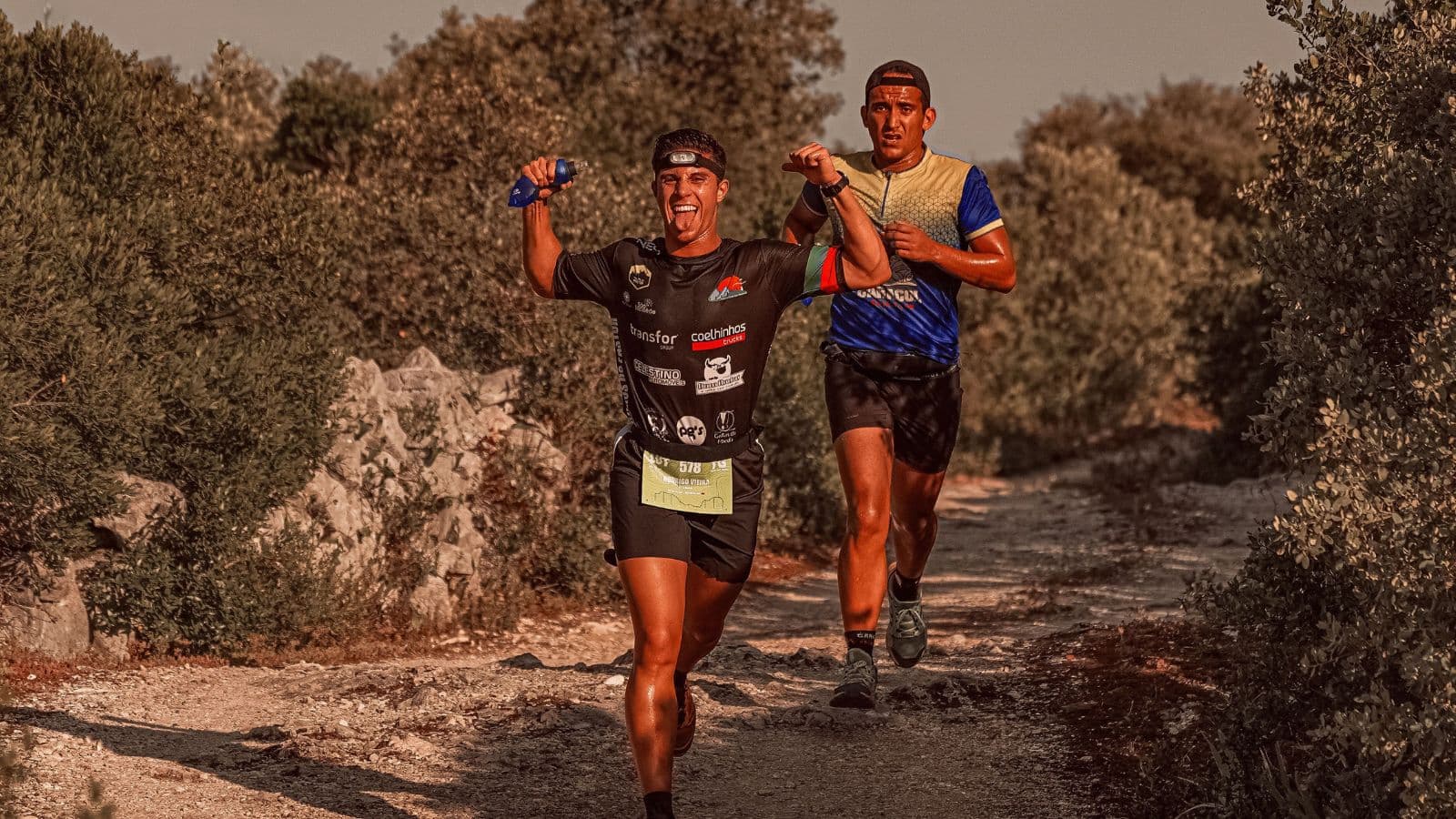
How Muscles Grow?
Muscle growth, or hypertrophy, occurs when muscles are exposed to sufficient stress and then allowed to recover.
The process generally requires:
- Mechanical tension
- Adequate nutrition
- Recovery time
- Progressive overload
Athletes who understand how does progressive overload improve training results of a marathon know that adaptation occurs when training stress gradually increases over time. Without sufficient stimulus, significant muscle growth is unlikely.
Running Does Stimulate Muscles
Every running stride requires the activation of:
- Glutes
- Quadriceps
- Hamstrings
- Calves
- Core muscles
These muscles generate force, absorb impact, and stabilise the body throughout movement. While the stimulus differs from traditional weight training, running still places meaningful demands on the musculoskeletal system.
Beginners Often Gain Muscle
New runners sometimes notice increased muscle definition during the early stages of training.
This occurs because:
- Previously inactive muscles become more engaged
- Neuromuscular efficiency improves
- Training volume increases
For beginners, running may contribute to modest muscle growth, particularly in the legs.
Hill Running Can Promote Muscle Development
Running uphill places greater demands on the lower body than running on flat terrain.
Hill training increases recruitment of:
- Glutes
- Hamstrings
- Calves
Athletes who understand running uphill to build endurance often recognise that climbing develops both endurance and muscular strength. Steep terrain can provide a powerful training stimulus.
Trail Running Engages More Muscle Groups
Trail running often requires:
- Balance
- Stability
- Climbing strength
- Technical foot placement
Compared to road running, trail running frequently places greater demands on:
- Hip stabilisers
- Core muscles
- Lower-leg muscles
This can contribute to improved muscular development and durability.
Sprinting Is More Muscle-Building Than Easy Running
Not all running affects muscles equally. Sprint workouts generally provide a stronger hypertrophy stimulus than long, easy runs because they require:
- Greater force production
- Higher power output
- Increased muscle fibre recruitment
Athletes who understand how can you beat first-mile fatigue in trail running often appreciate how different intensities challenge the body in different ways. Faster running typically places greater demands on the muscles.
Long-Distance Running Is Different
While endurance running develops remarkable aerobic fitness, it is not usually associated with substantial muscle growth.
High-mileage runners often prioritise:
- Efficiency
- Endurance
- Energy conservation
rather than maximising muscle size. This is one reason elite marathoners typically appear lean rather than heavily muscular.
Nutrition Determines Much of the Outcome
Muscle growth requires sufficient energy and protein. Even if training provides an appropriate stimulus, inadequate nutrition can limit adaptation.
Athletes should prioritise:
- Adequate calories
- Protein intake
- Recovery nutrition
Athletes who understand how to fuel for a trail run know that performance and recovery depend heavily on nutritional support.
Strength Training Remains the Best Option
While running can contribute to muscle development, resistance training remains the most effective method for building muscle mass.
Strength training provides:
- Greater mechanical tension
- More targeted muscle stimulation
- Easier progressive overload
For runners seeking both performance and muscular development, combining running with strength training is often ideal.
Recovery Is Essential
Muscles grow during recovery, not during training itself.
Important recovery factors include:
- Sleep
- Nutrition
- Hydration
- Recovery days
Athletes who understand why are cool-downs important after trail running know that successful adaptation requires balancing stress and recovery.
Running Can Help Preserve Muscle
Even when it doesn’t create significant muscle growth, running can help maintain muscle function.
This is especially true when athletes include:
- Hills
- Intervals
- Trail terrain
- Strength work
The body responds best to varied training stimuli.
Calves Often Respond Well
One muscle group that frequently develops through running is the calves.
Running repeatedly challenges:
- Gastrocnemius
- Soleus
particularly during:
- Hill running
- Sprinting
- Trail running
Many runners notice increased calf development over time.
Muscle Growth and Endurance Goals Must Be Balanced
There is sometimes a trade-off between:
- Maximum muscle mass
- Endurance performance
Large amounts of additional muscle may:
- Increase body weight
- Increase energy demands
Athletes who understand how does marathon training differ from trail running training know that training goals often influence the ideal balance between strength and endurance.
Running Improves Functional Strength
Even without dramatic hypertrophy, running develops:
- Muscular endurance
- Force production
- Stability
These adaptations often improve athletic performance and resilience. For many runners, functional strength is more valuable than simply adding muscle size.
Consistency Matters More Than Individual Workouts
Muscular adaptation occurs gradually. Athletes who understand how to stay motivated during off season know that regular training performed over months produces more meaningful results than occasional hard efforts. Long-term consistency drives adaptation.
Recovery Supports Muscle Growth
Athletes who neglect recovery may struggle to build muscle regardless of training quality. Athletes who understand how can runners prevent injuries when starting a workout often appreciate how recovery influences performance, durability, and muscular adaptation. The body must have time to repair and strengthen itself.
Common Muscle-Building Mistakes Runners Make
Many runners:
- Under-eat
- Skip strength training
- Avoid recovery days
- Focus exclusively on long slow runs
- Neglect protein intake
- Ignore hill work
- Increase mileage too quickly
- Expect rapid results
Most of these issues can be addressed through better planning.
Can Running Build Muscle?
The answer is yes, but with limitations.
Running can contribute to muscle development, particularly:
- For beginners
- During hill running
- Through sprint training
- On technical trails
However, athletes seeking substantial muscle growth will generally achieve better results by combining running with a structured strength-training programme. The best approach depends on your goals. For many trail runners, developing strong, durable, and efficient muscles is more important than simply increasing muscle size.
FAQs
Primarily the glutes, quadriceps, hamstrings, calves, and core stabilisers.
No. Resistance training is generally more effective for building muscle mass.
Often yes, because of the additional demands of hills, uneven terrain, and stabilisation.
Sprinting provides a stronger muscle-building stimulus than easy endurance running.
Many beginners experience modest muscle development when starting a running programme.
It can help maintain muscle function but is generally less effective for hypertrophy.
Absolutely. Adequate protein intake supports recovery and muscle development.
Yes, particularly when combining running with strength training and proper nutrition.