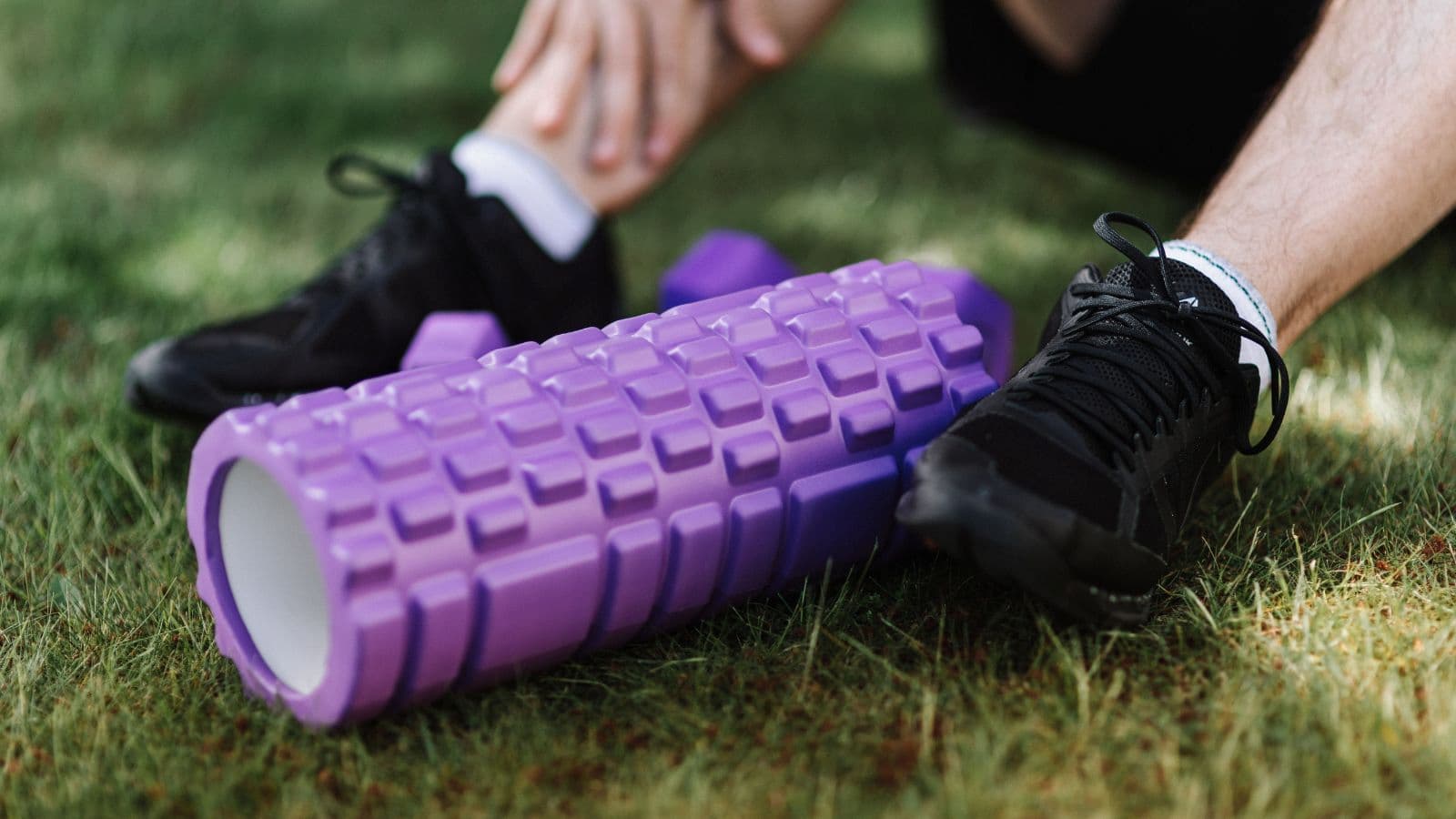



Self massage can help relieve muscle tightness in runners by applying controlled pressure to muscles and surrounding soft tissues. Techniques such as foam rolling, massage balls, and gentle hand massage may reduce the sensation of stiffness, improve short-term flexibility, and make movement feel more comfortable after running. Muscle tightness commonly develops after demanding workouts, unfamiliar terrain, increased training volume, or prolonged periods of inactivity. Runners often notice stiffness in their calves, quadriceps, hamstrings, glutes, and hips, particularly following hills, speed sessions, or longer distances.
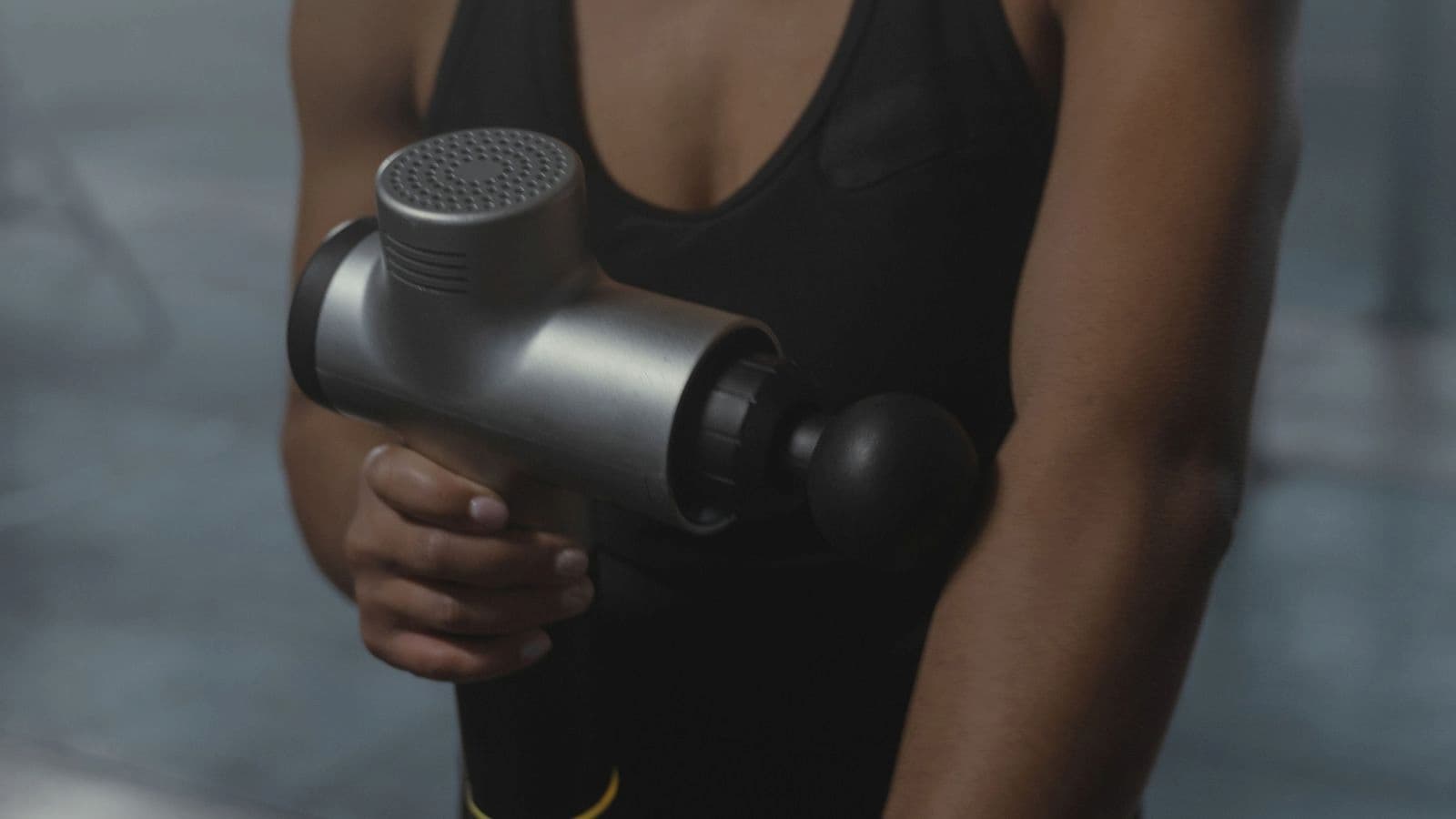
For beginners and experienced runners, self massage can be a practical addition to training when performed gently and consistently. Understanding where to apply pressure, how long to massage, and when to avoid treatment helps make the practice safer and more useful.
In Short
- Self massage may temporarily reduce muscle tightness.
- Foam rollers and massage balls are common tools.
- Gentle pressure is generally preferable to aggressive massage.
- Short sessions can improve perceived comfort.
- Self massage may temporarily increase range of motion.
- Benefits vary between individuals.
- It does not replace sleep, nutrition, or recovery.
- Avoid massaging acute injuries aggressively.
- Persistent pain requires appropriate assessment.
- Regular movement remains important for managing stiffness.
How Does Self Massage Work?
Self massage involves applying pressure and movement to muscles using your hands or a simple massage tool. The pressure stimulates sensory receptors in the skin, muscles, and surrounding tissues. This may influence how the nervous system perceives discomfort and muscle tension. Research suggests that foam rolling and related techniques can produce short-term improvements in range of motion and perceived soreness. Self massage does not reliably break apart scar tissue, permanently lengthen muscles, or physically remove so called muscle knots. Its effects are more likely related to changes in pain perception, stretch tolerance, and temporary tissue responses. Understanding how to recover faster after a trail run can help runners place massage within a broader recovery routine.
Which Running Muscles Benefit From Self Massage?
Runners commonly experience tightness in muscle groups involved in propulsion, landing, and stabilizing the body.
| Muscle group | Common source of tightness | Suitable approach |
|---|---|---|
| Calves | Hills and repetitive push-off | Foam roller or hands |
| Quadriceps | Downhill running and speed sessions | Foam roller |
| Hamstrings | Faster running and prolonged sitting | Gentle roller or hands |
| Glutes | Climbing and hip stabilization | Massage ball |
| Hip muscles | Repetitive running and limited movement | Gentle targeted massage |
| Feet | Long runs and prolonged standing | Soft massage ball |
The goal is to reduce discomfort without creating additional irritation.
Not every tight muscle requires direct massage. Sometimes walking, easy movement, or rest provides similar relief.
How to Foam Roll Tight Calves?
The calves absorb and generate substantial forces during running. They may feel particularly tight after hill training, faster workouts, or an increase in running volume.
To massage the calves:
- Sit on the floor with one calf resting on a foam roller.
- Support your body with your hands.
- Slowly roll between the ankle and below the knee.
- Pause briefly over areas of mild tightness.
- Continue for approximately 30 – 60 seconds.
- Repeat on the opposite leg.
Avoid pressing directly into the back of the knee or forcing pressure onto painful areas. Understanding how to avoid running injuries as mileage increases can help runners recognize why managing training load matters more than repeatedly treating tight muscles.
Self Massage for Quadriceps and Hamstrings
The quadriceps help control knee movement and absorb impact during running. They experience substantial eccentric loading during downhill running, where muscles generate force while lengthening. This can contribute to delayed onset muscle soreness. Understanding how to reduce muscle soreness after downhill running can help trail runners manage recovery following steep descents.
Quadriceps massage
Lie face down with a foam roller beneath the front of one or both thighs. Slowly move between the upper thigh and just above the knee.
Use controlled pressure for 30–60 seconds.
Hamstring massage
Sit with a foam roller beneath the back of the thigh. Roll gently from above the knee toward the glutes. Avoid direct pressure behind the knee. Neither technique should cause sharp pain or worsening symptoms.
Using a Massage Ball for Glute Tightness
The gluteal muscles contribute to hip extension, pelvic control, and running stability.
A massage ball can provide more targeted pressure than a foam roller.
To massage the glutes:
- Sit on a soft massage ball.
- Shift your weight toward one buttock.
- Move slowly over the muscular area.
- Avoid direct pressure on the tailbone.
- Reduce pressure if tingling or radiating pain occurs.
Begin with approximately 30 seconds per side. A softer ball is often more comfortable than a hard lacrosse ball. Understanding why is hip mobility important for running can help runners distinguish temporary muscle stiffness from broader movement limitations. Massage may improve comfort, but strength and movement practice remain important for hip function.
Can Self Massage Help Tight Feet?
The muscles and connective tissues beneath the feet experience repeated loading during running. Gentle ball massage may provide temporary relief from ordinary foot fatigue. A simple technique involves placing a soft ball beneath the foot while seated. Roll slowly from the heel toward the forefoot without applying excessive pressure. Avoid aggressive massage if you have sharp heel pain, swelling, bruising, numbness, or a suspected injury. Persistent foot pain should be assessed rather than repeatedly treated through pressure.
When Should Runners Use Self Massage?
Self massage can be performed before or after running, depending on the goal.
| Timing | Potential benefit | Suggested approach |
|---|---|---|
| Before running | Temporary range-of-motion improvement | Brief, gentle massage |
| After running | Improved comfort and perceived soreness | Light to moderate pressure |
| Rest days | Relief from everyday stiffness | Short, relaxed session |
| During recovery periods | Comfortable movement | Massage combined with appropriate activity |
Before demanding workouts, self massage should complement a dynamic warm-up rather than replace it. After running, avoid excessive pressure on particularly sore muscles. Understanding what mobility routine should runners do daily can help runners combine massage with simple movements that support comfortable joint motion.
How Long Should Self Massage Last?
Long massage sessions are not necessarily more effective. Many runners can begin with approximately 30–60 seconds per muscle group and assess their response.
A practical routine might include:
| Muscle group | Approximate duration |
|---|---|
| Calves | 30–60 seconds per side |
| Quadriceps | 30–60 seconds per side |
| Hamstrings | 30–60 seconds per side |
| Glutes | 30–60 seconds per side |
| Feet | 30 seconds per side |
These durations are starting suggestions rather than scientifically established requirements. Total sessions may take five to ten minutes. If symptoms worsen afterward, reduce the pressure or stop the technique.
How Much Pressure Should You Apply?
Effective self massage does not require intense pain. Pressure should feel tolerable and allow relaxed breathing. A useful guideline is mild to moderate discomfort rather than sharp or overwhelming pain.
Avoid:
- Holding your breath.
- Applying maximum body weight immediately.
- Pressing directly onto bones or joints.
- Massaging swollen or bruised tissue.
- Continuing through numbness or tingling.
- Forcing pressure onto suspected injuries.
More pressure does not automatically produce greater benefits.
Self Massage vs Stretching
Massage and stretching are different approaches to managing stiffness. Self massage applies external pressure to soft tissues. Stretching places muscles and related structures into lengthened positions. Both may temporarily improve range of motion, although individual responses vary.
| Self massage | Stretching |
|---|---|
| Uses pressure | Uses controlled joint movement |
| May reduce perceived tightness | May improve stretch tolerance |
| Can target specific muscle areas | Can address movement through a joint |
| Requires hands or tools | Usually requires no equipment |
Runners can use either technique or combine them according to comfort and preference.
Neither should replace progressive strength training or appropriate workload management.
Can Self Massage Prevent Running Injuries?
There is insufficient evidence to conclude that self massage alone prevents running injuries. Injury risk depends on multiple factors, including:
- Training load
- Previous injury
- Physical capacity
- Recovery
- Individual health
Massage may help runners feel more comfortable, but it cannot compensate for consistently excessive training stress. Understanding what training errors slow down running progress can help athletes identify habits that contribute to fatigue and inconsistent recovery. Similarly, what strength routine should runners do to stay injury free can help runners build physical capacity through structured resistance exercises. The strongest approach combines sensible training progression with adequate recovery and attention to persistent symptoms.
When Should You Avoid Self Massage?
Self massage is not appropriate for every type of pain.
Avoid applying direct pressure to areas with:
- Suspected muscle tears.
- Significant swelling.
- Unexplained bruising.
- Open wounds or skin infections.
- Suspected fractures or bone stress injuries.
- Acute inflammatory symptoms.
- Numbness or radiating nerve pain.
People with blood clotting disorders, suspected deep vein thrombosis, or certain circulatory conditions should seek medical advice before using pressure based techniques. Persistent or worsening pain requires professional assessment. Understanding how do i fix it band pain from running can help runners recognize that discomfort around the outside of the knee may require training modifications rather than aggressive massage.
Common Mistakes
- Applying excessive pressure.
- Massaging directly over painful joints.
- Treating sharp pain as ordinary tightness.
- Spending too long on one area.
- Using massage instead of adequate recovery.
- Ignoring worsening symptoms.
- Expecting permanent muscle lengthening.
- Rolling aggressively before hard workouts.
- Massaging bruised or swollen tissue.
- Assuming every tight muscle needs treatment.
Practical Tips
- Start with gentle pressure.
- Use a softer roller when necessary.
- Keep sessions short.
- Breathe normally during massage.
- Focus on muscular areas rather than joints.
- Combine massage with comfortable movement.
- Avoid aggressive pressure after unfamiliar workouts.
- Track whether symptoms improve.
- Prioritize sleep and nutrition.
- Seek assessment for persistent pain.
Actionable Takeaways
- Use self massage for temporary relief from ordinary muscle tightness.
- Apply controlled, comfortable pressure.
- Start with five-minute routines.
- Avoid massaging suspected injuries.
- Address training load and recovery alongside muscle discomfort.
FAQs
It may temporarily reduce perceived tightness and improve range of motion, although results vary between individuals.
Neither is universally superior. Foam rollers cover larger areas, while hand massage allows more precise pressure control.
Short sessions can be used as needed, provided they remain comfortable and do not aggravate symptoms.
Both can be appropriate. Brief massage before running may improve movement comfort, while post-run massage may help manage soreness.
It may modestly reduce perceived post-exercise soreness, but it does not eliminate the need for recovery.
Approximately 30–60 seconds per muscle group is a reasonable starting point, adjusted according to comfort.
No. Mild discomfort may occur, but sharp pain, tingling, or worsening symptoms are reasons to stop.
Avoid aggressive massage of a suspected muscle strain, particularly during the acute stage. Seek appropriate assessment when necessary.