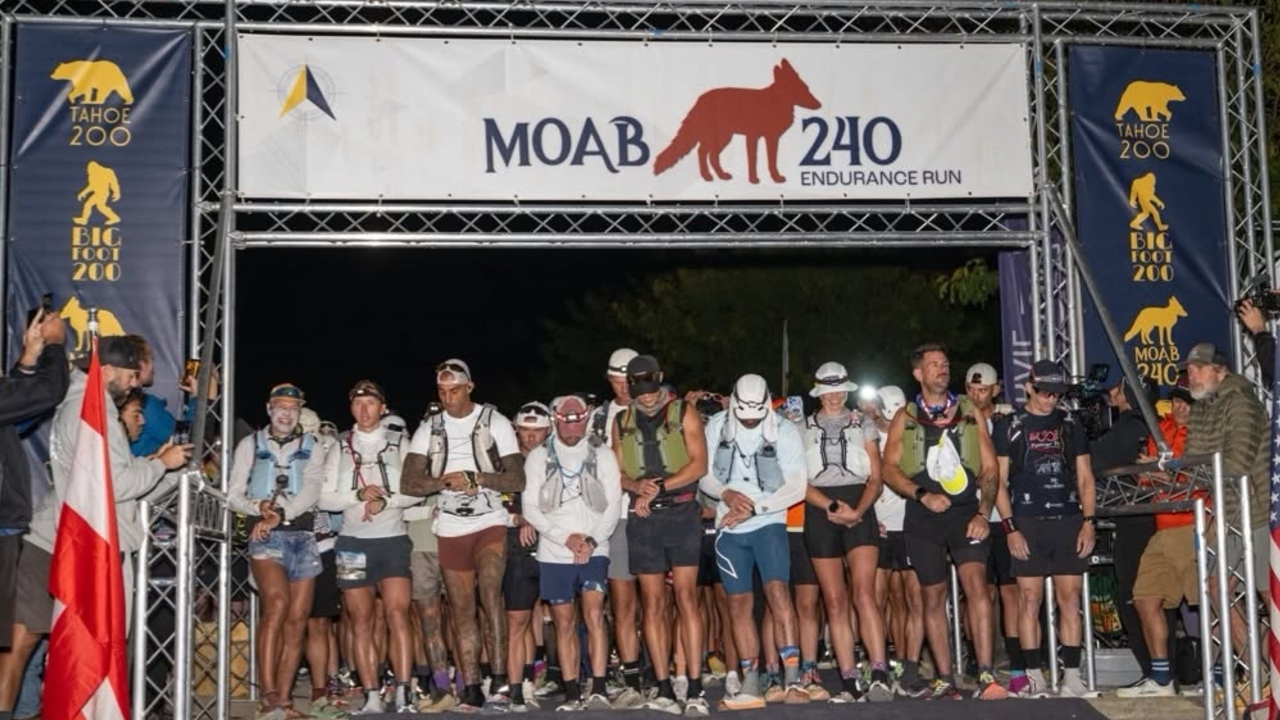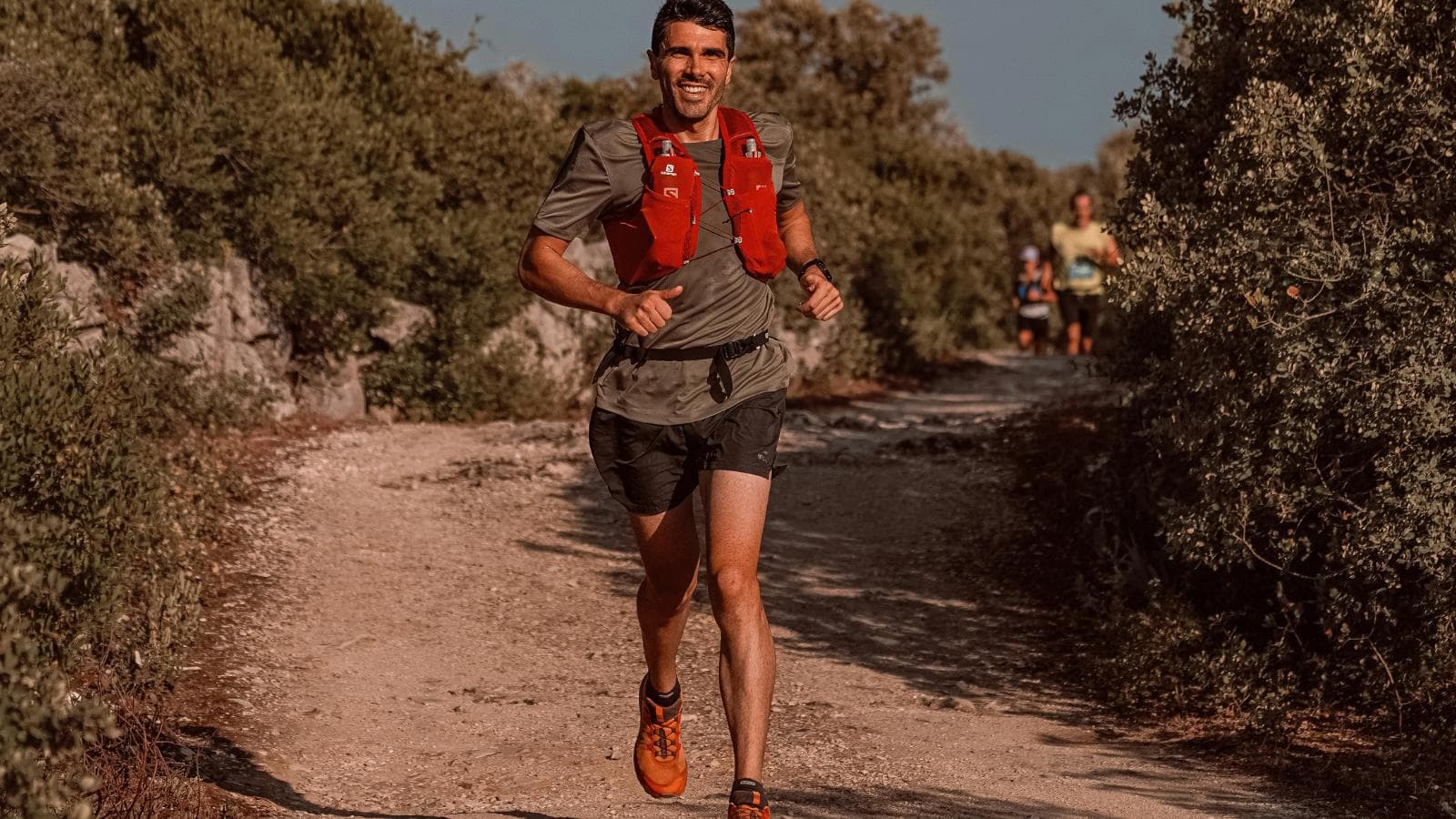



Trail running offers a completely different experience from road running. Instead of traffic, pavement, and predictable routes, trails provide:
- Natural scenery
- Varied terrain
- Hills and descents
- Greater adventure
- New physical challenges

For many runners, trail running becomes a refreshing way to build fitness while escaping the monotony of repetitive road routes.
However, beginners often make the mistake of treating trail running exactly like road running. Trails place different demands on:
- Balance
- Coordination
- Strength
- Pacing
- Foot placement
The goal is not to run as fast as possible on your first trail outing. The goal is to develop confidence, skills, and durability while staying safe and enjoying the experience. A gradual approach allows new trail runners to build fitness and technical ability without increasing injury risk.
Choose Beginner-Friendly Trails
One of the biggest mistakes new trail runners make is selecting routes that are too difficult.
Start with:
- Wide trails
- Smooth surfaces
- Clearly marked routes
- Moderate hills
- Well-maintained paths
Avoid beginning with:
- Technical mountain trails
- Rocky descents
- Remote wilderness routes
- Extremely steep terrain
Athletes transitioning through how to train for trail running when injured often find that easier trails help build confidence before tackling more demanding terrain. Confidence develops much faster when early experiences are positive.
Forget About Pace
Road runners often become frustrated because trail pace is slower.
Trails naturally reduce speed because of:
- Elevation changes
- Uneven surfaces
- Obstacles
- Technical sections
A trail run should be judged by:
- Effort
- Time
- Enjoyment
- Experience
not by pace alone.
Many beginners improve more quickly when they stop comparing trail splits to road-running performances.
Wear Appropriate Footwear
Your shoes are one of the most important pieces of trail-running equipment.
Trail shoes typically provide:
- Better grip
- Increased stability
- More protection
- Improved traction
While road shoes may work on simple trails, dedicated trail shoes often increase confidence and safety.
The right footwear depends on:
- Terrain
- Weather conditions
- Trail difficulty
Proper grip becomes especially important on wet or loose surfaces.
Learn to Watch the Trail Ahead
Trail running requires more attention than road running.
Instead of staring directly in front of your feet, try looking:
- Several steps ahead
- Through corners
- Toward upcoming obstacles
This improves:
- Reaction time
- Balance
- Efficiency
It also reduces the likelihood of:
- Trips
- Falls
- Poor foot placement
Trail runners quickly learn that where you look often determines where you go.
Start With Shorter Runs
Even experienced road runners may find trail running surprisingly demanding.
The combination of:
- Hills
- Uneven terrain
- Technical movement
creates additional fatigue.
Begin with shorter runs than you would normally do on roads.
This allows:
- Muscles to adapt
- Balance to improve
- Recovery to remain manageable
Athletes improving through morning workouts often discover that gradual progression is one of the most important principles in trail running.
Walk the Steep Hills
Many beginners assume they must run every climb.
In reality, even experienced trail runners frequently walk steep sections.
Walking can:
- Save energy
- Reduce fatigue
- Improve efficiency
- Lower injury risk
Hiking is a normal part of trail running.
Learning when to walk is often a sign of experience rather than weakness.
Build Strength and Stability
Trail running challenges stabilising muscles far more than road running.
Key areas include:
- Ankles
- Calves
- Glutes
- Core
- Hips
Strength training helps improve:
- Balance
- Coordination
- Durability
Athletes following how to improve running form without overthinking often transition more smoothly because their bodies are better prepared for uneven terrain.
Pay Attention to Descents
Downhill running often feels more intimidating than climbing.
New trail runners commonly:
- Brake excessively
- Lean back
- Tense up
This can actually increase fatigue and reduce control.
Focus on:
- Short steps
- Relaxed posture
- Looking ahead
- Staying balanced
Athletes improving through what is the best downhill running technique for marathons often adapt faster because they already understand the fundamentals of efficient descending.
Carry Basic Essentials
Safety becomes more important as trail runs get longer.
Depending on the route, consider carrying:
- Water
- Phone
- Identification
- Nutrition
- Weather protection
Even short runs can become challenging if:
- Conditions change
- You take a wrong turn
- Weather deteriorates
Preparation improves both safety and confidence.
Learn Basic Trail Etiquette
Sharing trails respectfully helps everyone enjoy the experience.
Common trail etiquette includes:
- Yielding appropriately
- Respecting other users
- Following local rules
- Leaving no trace
Good trail habits make outdoor spaces more enjoyable for all users.
Hydration Matters More Than You Think
Trail running often takes longer than expected.
Hills and technical terrain increase:
- Energy expenditure
- Sweat loss
- Fluid requirements
Athletes improving through how to beat dehydration during a marathon often appreciate how important hydration becomes once elevation and heat are added to the challenge. Do not assume a short distance automatically means low hydration needs.
Expect Different Muscle Soreness
Trail running recruits muscles differently than road running.
New runners commonly notice soreness in:
- Calves
- Glutes
- Hamstrings
- Ankles
This is normal during the adaptation phase.
Gradual progression helps reduce excessive soreness while allowing the body to adapt safely.
Train by Effort
Effort is usually a better guide than pace on trails.
Terrain constantly changes, making pace less reliable.
Focus on:
- Breathing
- Heart rate
- Perceived effort
Athletes who understand tempo running often manage trail training more effectively because they learn to monitor effort rather than chasing pace targets.
Respect Recovery
Trail running often creates more muscular fatigue than expected.
Recovery should include:
- Sleep
- Hydration
- Nutrition
- Mobility work
Athletes improving through how to recover faster after running often adapt more effectively because they prioritise recovery as part of the training process. Recovery becomes especially important after longer or more technical trail sessions.
Build Confidence Gradually
Confidence is one of the most valuable trail-running skills.
It develops through:
- Experience
- Repetition
- Successful outings
Avoid rushing into:
- Technical trails
- Extreme distances
- Aggressive descents
Progressive exposure helps build confidence without creating unnecessary risk.
Enjoy the Process
Many runners discover that trail running changes their relationship with the sport.
Instead of focusing entirely on:
- Pace
- Splits
- Performance metrics
they begin appreciating:
- Exploration
- Nature
- Adventure
- Movement
Athletes improving through how to become an efficient runner often find that efficiency on trails comes naturally when they focus on movement quality rather than constantly chasing speed.
Common Beginner Trail Running Mistakes
Many new trail runners create unnecessary problems through avoidable habits.
Common mistakes include:
- Choosing trails that are too difficult
- Running by pace instead of effort
- Wearing inappropriate shoes
- Ignoring hydration
- Descending too aggressively
- Skipping strength training
- Underestimating hills
- Neglecting recovery
Most of these issues disappear with patience and gradual progression.
Practical Ways to Start Trail Running Safely
Beginners can enjoy trail running more safely by:
- Starting on easy trails
- Wearing appropriate footwear
- Running by effort
- Walking steep climbs
- Building strength
- Improving balance
- Carrying essentials
- Progressing gradually
The best trail runners are not necessarily the fastest runners. They are often the athletes who combine fitness, skill, patience, and good decision-making to move efficiently through varied terrain.
FAQs
Trail running often requires more strength, balance, and technical skill than road running.
Yes, provided they choose suitable beginner-friendly trails and progress gradually.
Not always, but trail shoes often improve grip, stability, and confidence.
Yes. Walking steep climbs is common and often more efficient.
Terrain, elevation, and technical obstacles naturally reduce running speed.
Gradual progression, strength training, proper footwear, and recovery all help reduce injury risk.
Absolutely. Trail running often takes longer and may increase fluid requirements.