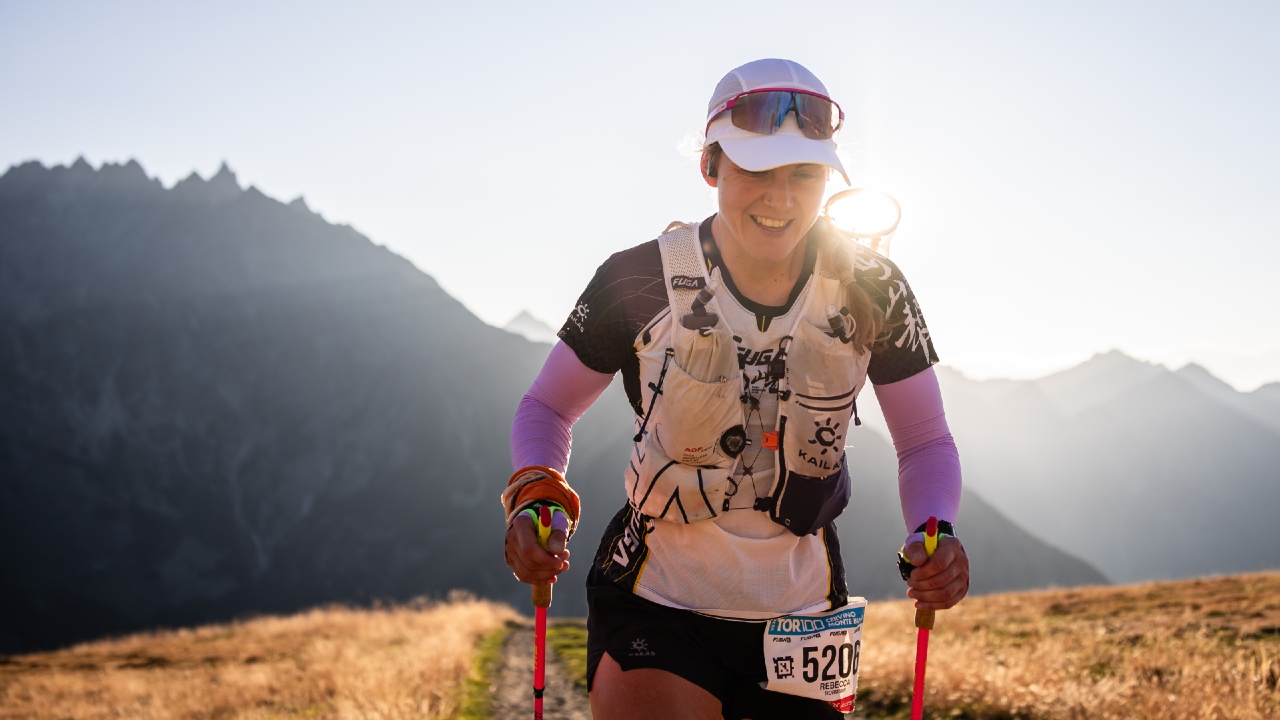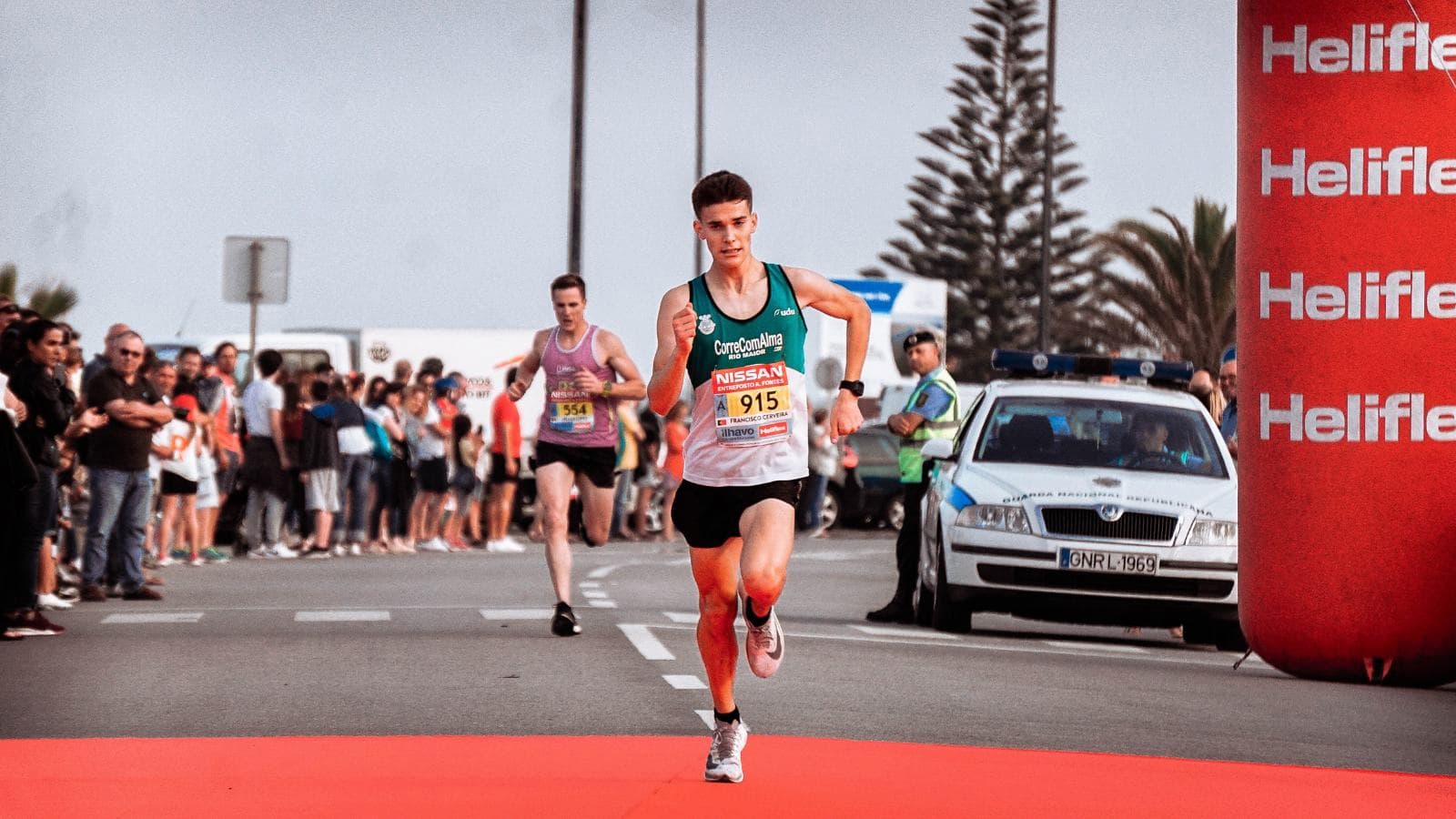



At first glance, marathon running and trail running appear very similar.
Both require:
- Endurance
- Consistent training
- Mental resilience
- Effective recovery
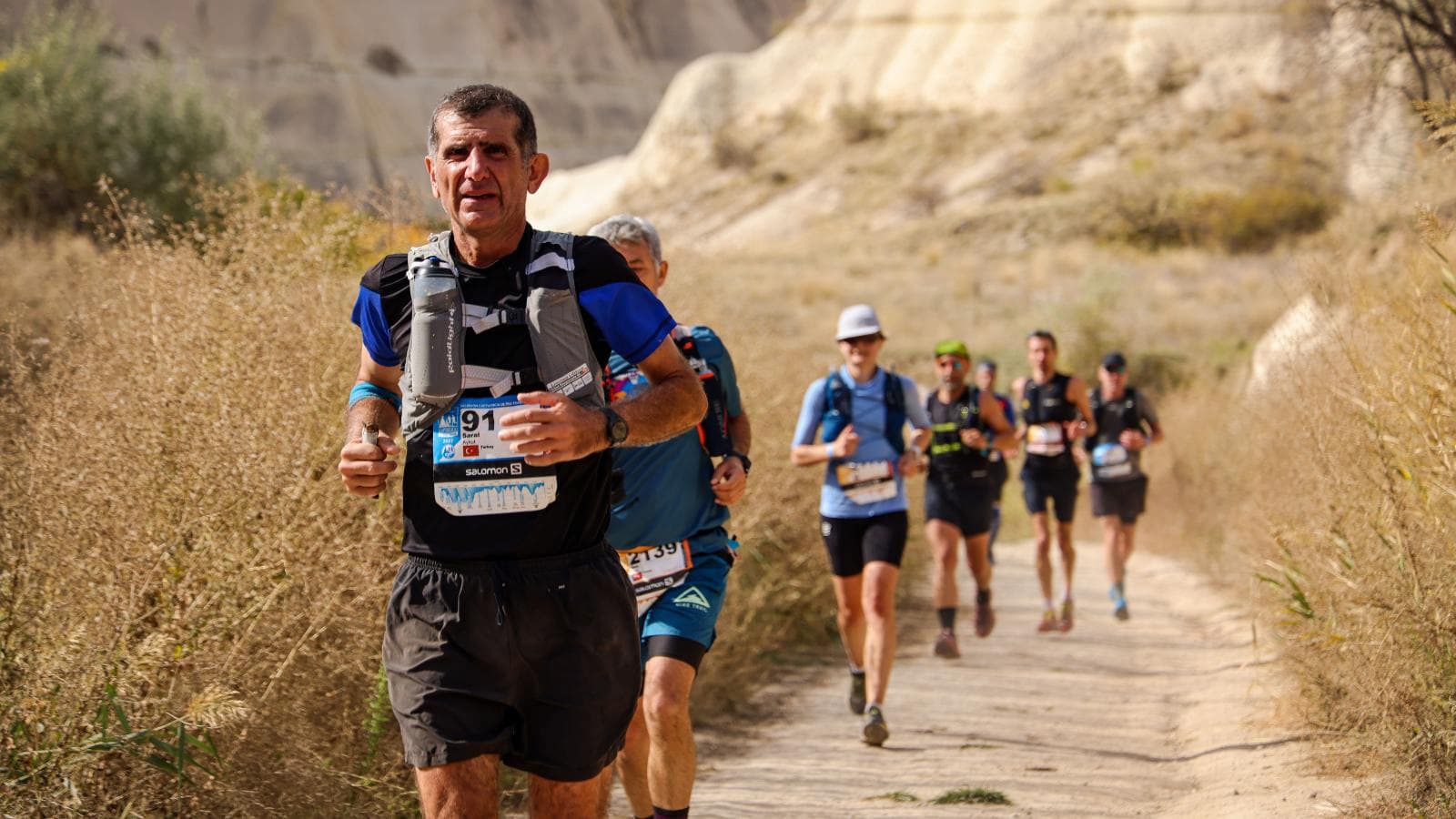
However, once runners begin training seriously for each discipline, the differences become clear. Marathon training is typically focused on maximising speed and efficiency over a predictable distance and surface. Trail running, on the other hand, requires athletes to adapt to changing terrain, elevation, technical challenges, and environmental conditions. While both forms of running share some common principles, the way athletes train for them can differ significantly. Understanding these differences can help runners choose the right approach for their goals and avoid applying road-running strategies to trail races, or vice versa.
Marathon Training Prioritises Pace
One of the defining characteristics of marathon training is pace management.
Road marathon runners often spend considerable time focusing on:
- Marathon pace
- Tempo runs
- Threshold sessions
- Pace-specific workouts
The goal is to maintain a relatively steady effort for 26.2 miles. Athletes who understand best downhill running techniques for marathon runners often recognise that marathon training is highly structured around predictable pacing and measurable progression.
Trail running rarely offers that same consistency.
Trail Running Prioritises Terrain Adaptation
Trail runners must prepare for constantly changing conditions.
Training often includes:
- Hills
- Technical descents
- Uneven surfaces
- Variable gradients
Instead of chasing a specific pace, trail runners frequently train by effort. Athletes who understand how to transition from road running to trail running quickly discover that pace becomes less useful when terrain constantly changes.
Adaptability becomes more important than speed alone.
Marathon Training Features More Tempo Work
Tempo runs are a cornerstone of many marathon plans.
These workouts help improve:
- Lactate threshold
- Running economy
- Sustainable race pace
Because road marathons involve prolonged steady efforts, tempo sessions closely match race demands.
Athletes who follow why your marathon workouts should be smart but not hard often use tempo runs strategically to build fitness without excessive fatigue.
Trail runners typically include fewer pace-specific workouts.
Trail Running Requires More Climbing
Elevation is one of the biggest differences between the two disciplines.
Trail races often involve:
- Long climbs
- Repeated ascents
- Significant elevation gain
As a result, trail runners frequently perform:
- Hill repeats
- Mountain runs
- Uphill intervals
Athletes who understand training timespan for marathon often use climbing-focused sessions to prepare for race-specific demands.
Flat marathon training alone rarely develops these abilities.
Marathon Training Focuses on Efficiency
Road marathon runners often aim to become as economical as possible.
This includes improving:
- Cadence
- Running economy
- Pacing
- Aerobic efficiency
Athletes who focus on how to become an efficient runner often discover that small improvements in efficiency can produce significant gains over marathon distances.
Every wasted movement costs energy.
Trail Running Requires Technical Skills
Road races generally occur on predictable surfaces.
Trail races may include:
- Rocks
- Roots
- Mud
- Loose terrain
This means trail runners must develop:
- Balance
- Agility
- Coordination
- Foot placement skills
Athletes who understand how can you beat first-mile fatigue in trail running often appreciate that trail running demands constant physical and mental adjustments.
Technical ability matters.
Long Runs Look Different
Both disciplines use long runs extensively, but their purpose often differs.
Marathon Long Runs
Typically focus on:
- Endurance
- Marathon pace practice
- Fueling strategies
Trail Long Runs
Often focus on:
- Time on feet
- Elevation gain
- Terrain management
- Technical adaptation
Athletes who understand how can runners improve longevity in ultrarunning often recognise that trail endurance is not measured solely by distance.
Time and terrain matter too.
Trail Runners Walk More Often
Many marathon runners view walking as a sign that something has gone wrong.
In trail running, strategic walking is often part of the plan.
Steep climbs frequently make walking:
- More efficient
- More sustainable
- More economical
Athletes who understand warning signs of overtraining in a marathon often realise that walking can be a useful performance tool rather than a weakness.
Trail racing rewards efficiency.
Marathon Training Uses More Consistent Data
Road runners often rely heavily on:
- Pace
- Heart rate
- Split times
The consistent nature of road courses makes these metrics highly useful.
Trail runners may find that:
- Elevation changes
- Technical terrain
- Weather
make traditional pace metrics less reliable.
Effort often becomes the primary guide.
Downhill Training Matters More for Trail Runners
Marathon runners occasionally encounter descents, but trail races often include prolonged downhill sections.
These descents place significant stress on:
- Quadriceps
- Knees
- Stabilising muscles
Athletes who understand what is the best downhill running technique for marathons often appreciate that downhill skill and strength require dedicated practice.
Trail runners cannot ignore descents.
Strength Training Becomes More Important
While strength training benefits both groups, trail runners often require additional emphasis on:
- Stability
- Balance
- Lower-body strength
Technical terrain places greater demands on supporting muscles. Athletes who understand how does posture affect running performance often realise that strength and posture contribute significantly to movement efficiency on uneven ground.
Nutrition Strategies Can Differ
Marathon runners typically fuel during races lasting:
- Three to six hours
Trail runners may race for:
- Several hours
- Entire days
Longer events often require:
- More calories
- More hydration planning
- Greater nutritional variety
Athletes who understand should you fast before a trail run often recognise that fueling strategies must match the specific demands of the event.
Weather Plays a Bigger Role in Trail Running
Road marathons certainly face weather challenges.
However, trail runners often encounter:
- Mountain weather
- Rapid temperature changes
- Remote environments
Athletes who understand what mistakes should runners avoid when running in the dark often appreciate how environmental awareness influences trail safety and performance.
Preparation extends beyond fitness.
Recovery Demands Can Vary
Trail races often create greater muscular damage because of:
- Climbs
- Descents
- Technical terrain
This may increase recovery requirements. Athletes who focus on how to recover faster after a marathon often find that recovery principles remain similar, but trail events may require additional patience following particularly demanding races.
Recovery supports adaptation.
Common Mistakes When Switching Between Disciplines
Many runners assume:
- Marathon fitness automatically transfers to trails
- Trail fitness automatically transfers to road racing
- Pace matters equally in both disciplines
- Terrain doesn’t influence training
In reality, each discipline requires specific preparation.
The strongest runners usually adapt their training to match their goals.
Which Training Style Is Harder?
Neither is objectively harder.
They simply stress different qualities.
Marathon Training Emphasises
- Pace control
- Aerobic efficiency
- Sustained effort
Trail Running Training Emphasises
- Terrain management
- Strength
- Adaptability
- Technical skills
Both require dedication and consistency.
FAQs
No. While both require endurance, the specific demands are quite different.
Some do, but trail training is often guided more by effort than pace.
Elevation gain is a major component of most trail races.
Yes, but technical terrain and climbing often require additional preparation.
They present different challenges rather than one being harder than the other.
Often, yes. Strategic walking is common on steep climbs.
Yes. Trail runners often focus more on time, elevation, and terrain than distance alone.
Descending places unique demands on the muscles and requires specific skills.