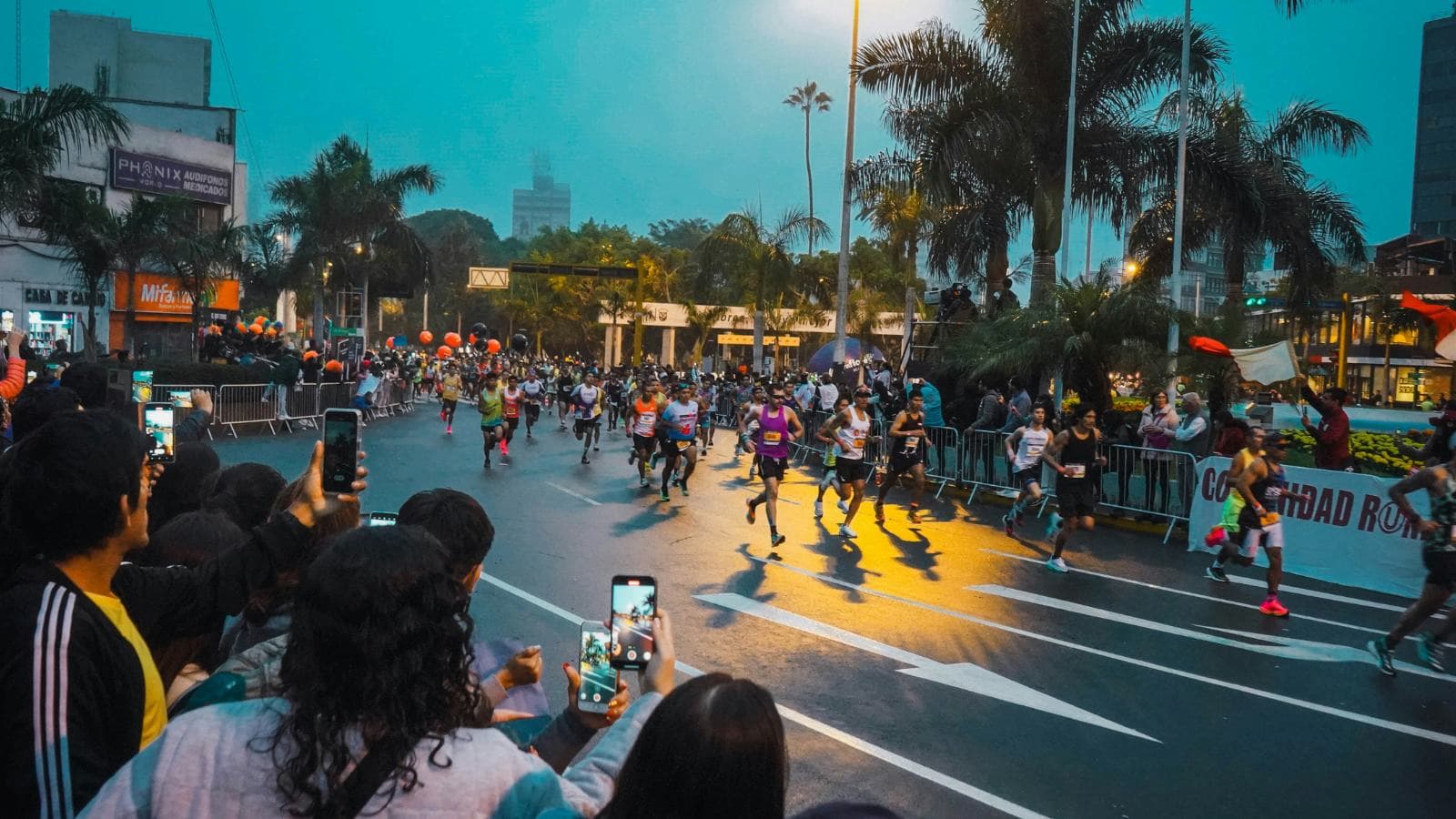



Running in the dark is often unavoidable for many runners. Whether it’s an early morning marathon training session, an evening recovery run after work, or winter training when daylight is limited, countless runners spend a significant portion of their training time running before sunrise or after sunset. While running in the dark can be enjoyable and productive, it also introduces challenges that are not present during daylight hours.
Reduced visibility can affect:
- Safety
- Awareness
- Confidence
- Navigation
- Running form
- Decision-making

The good news is that most risks associated with dark running can be managed effectively with preparation and good habits. The goal is not avoiding night running altogether. The goal is making it as safe and effective as possible.
Wearing Dark Clothing
One of the most common mistakes runners make is assuming they can see others, so others can see them too. Unfortunately, drivers, cyclists, and pedestrians often struggle to spot runners in low-light conditions. Dark clothing significantly reduces visibility, particularly on:
- Unlit roads
- Country lanes
- Wet streets
- Foggy mornings
Instead, runners should use:
- Reflective gear
- Bright colours
- Reflective vests
- Visibility accessories
Athletes who regularly train through how can you run safely in cold weather often understand that visibility becomes even more important when winter conditions reduce light levels further. Being visible should always be a priority.
Skipping Reflective Equipment
Many runners wear bright clothing but forget reflective materials. The difference matters.
Reflective gear works by:
- Reflecting vehicle headlights
- Increasing detection distance
- Improving recognition
Simple additions such as:
- Reflective arm bands
- Reflective shoes
- Reflective jackets
can significantly improve safety. Small visibility improvements may provide drivers with crucial extra reaction time.
Running Without a Light Source
A common misconception is that streetlights provide enough illumination.
However, many routes include:
- Dark sections
- Uneven surfaces
- Poorly lit paths
Without adequate lighting, runners may struggle to spot:
- Potholes
- Curbs
- Obstacles
- Ice patches
A headlamp or running light helps improve:
- Visibility
- Confidence
- Safety
Athletes preparing through what are the most common problems during winter running races often discover that proper lighting becomes an essential part of cold-weather training.
Wearing Headphones Too Loudly
Music can make runs more enjoyable, but excessive volume may reduce awareness. Dark running already limits visual information. Reducing auditory awareness further can make it difficult to detect:
- Traffic
- Cyclists
- Other pedestrians
- Potential hazards
If using headphones:
- Keep volume low
- Leave one ear free
- Stay alert
Awareness remains one of the most important safety tools available.
Running Unfamiliar Routes
Darkness makes navigation more challenging. Routes that feel straightforward during the day can appear completely different at night.
New routes may contain:
- Poor lighting
- Uneven terrain
- Unexpected obstacles
Whenever possible, use familiar routes for night running. Athletes improving through how to become an efficient runner often recognise that confidence and efficiency improve when environmental uncertainty is reduced.
Familiarity allows runners to focus on training rather than navigation.
Ignoring Weather Conditions
Weather can dramatically affect visibility.
Rain, fog, snow, and mist may reduce:
- Sight distance
- Traction
- Awareness
Darkness combined with poor weather often creates additional risk. Athletes improving through how to run well at altitude frequently learn the importance of respecting environmental conditions and adapting plans when necessary.
Sometimes adjusting the route or delaying the run is the smartest decision.
Failing to Tell Someone Your Route
Many runners head out without informing anyone where they are going.
This becomes more significant when running:
- Early in the morning
- Late at night
- In isolated areas
Sharing basic information such as:
- Planned route
- Expected return time
provides an additional safety layer.
This is particularly important for longer training runs.
Running Too Fast for Conditions
Darkness can make it harder to:
- Judge terrain
- Spot hazards
- React quickly
Attempting to maintain daylight training pace may increase:
- Trip risk
- Falls
- Decision-making errors
Athletes who understand what is a positive split in running races often appreciate the value of controlled pacing rather than forcing speed under difficult conditions. Sometimes slightly slower running is simply smarter running.
Ignoring Surface Conditions
Roads and trails often look different at night.
Hazards may include:
- Wet leaves
- Mud
- Gravel
- Ice
- Uneven pavement
These surfaces become harder to identify in low light. Athletes improving through how to increase running volume without getting injured often understand that terrain awareness becomes increasingly important when visibility decreases.
Paying close attention to footing can prevent many accidents.
Running Without Identification
Many runners forget to carry:
- Identification
- Emergency contacts
- Medical information
While serious incidents are uncommon, carrying basic identification can be extremely valuable in emergencies.
Simple options include:
- ID cards
- Medical bracelets
- Emergency contact details on a phone
Preparation takes only a few seconds but may prove important when needed.
Not Adjusting Running Form
Darkness sometimes causes runners to:
- Tense up
- Shorten breathing
- Change stride mechanics
This often happens subconsciously. Excess tension can increase fatigue and reduce efficiency. Athletes improving through what’s the best footstrike for running a marathon often learn that relaxed and efficient mechanics remain important regardless of environmental conditions.
Stay relaxed and avoid forcing unnatural movement patterns.
Neglecting Recovery After Late Runs
Late-evening runs can affect:
- Sleep quality
- Recovery
- Next-day energy levels
This is especially true when workouts are:
- Long
- Intense
- Close to bedtime
Athletes improving through how to recover faster after a marathon often understand that recovery begins immediately after training and should not be ignored simply because the run occurred at night. Hydration, nutrition, and cooldown routines remain important.
Assuming Cars Can See You
One of the most dangerous assumptions runners make is believing drivers have already noticed them.
Factors such as:
- Rain
- Glare
- Darkness
- Driver distraction
may reduce visibility dramatically. Always assume drivers may not have seen you.
This mindset often leads to:
- Better crossing decisions
- Greater caution
- Improved safety
Defensive running is particularly important at night.
Forgetting About Fatigue
Fatigue can impair:
- Awareness
- Coordination
- Reaction time
Many runners head out after:
- Work
- Family responsibilities
- Long days
Combining fatigue with darkness may increase risk. Athletes improving through how can morning workouts improve marathon performance often appreciate how training timing influences energy levels and overall workout quality. Pay attention to both physical and mental fatigue.
Underestimating Mental Stress
Some runners become anxious in the dark.
This can cause:
- Elevated heart rate
- Increased tension
- Reduced enjoyment
Running with:
- Friends
- Clubs
- Training groups
can improve confidence and make dark runs feel more comfortable. The mental side of night running should not be overlooked.
Common Dark Running Mistakes
Many runners increase risk through avoidable habits.
Common mistakes include:
- Wearing dark clothing
- Skipping reflective gear
- Running without lights
- Using loud headphones
- Choosing unfamiliar routes
- Ignoring weather conditions
- Running too aggressively
- Assuming visibility is adequate
Most of these issues can be addressed easily with preparation.
Practical Ways to Run Safely in the Dark
Runners can improve safety by:
- Wearing reflective clothing
- Using a headlamp
- Choosing familiar routes
- Staying aware of surroundings
- Running at appropriate speeds
- Carrying identification
- Monitoring weather conditions
- Informing someone of their plans
Darkness does not have to limit training quality. With smart preparation and good habits, runners can continue building fitness safely throughout the year regardless of daylight availability.
FAQs
Yes, provided runners take appropriate precautions regarding visibility and awareness.
Reflective clothing and bright colours significantly improve visibility.
A headlamp is highly recommended on poorly lit routes or uneven surfaces.
Familiar routes are generally safer because hazards are easier to anticipate.
Excessive volume may reduce awareness of traffic and other hazards.
Drivers and cyclists may struggle to see runners in low-light conditions.
It can be, but additional caution and lighting are often necessary.
Rain, fog, and snow can reduce visibility and make surfaces more hazardous.
Assuming others can see them as easily as they can see others.